TLDRocket
Sign in

AI Security

1487 summarised stories about AI Security, each linking back to the original source. Browse all topics →

+ Follow this topic

Wednesday, 15 July 2026

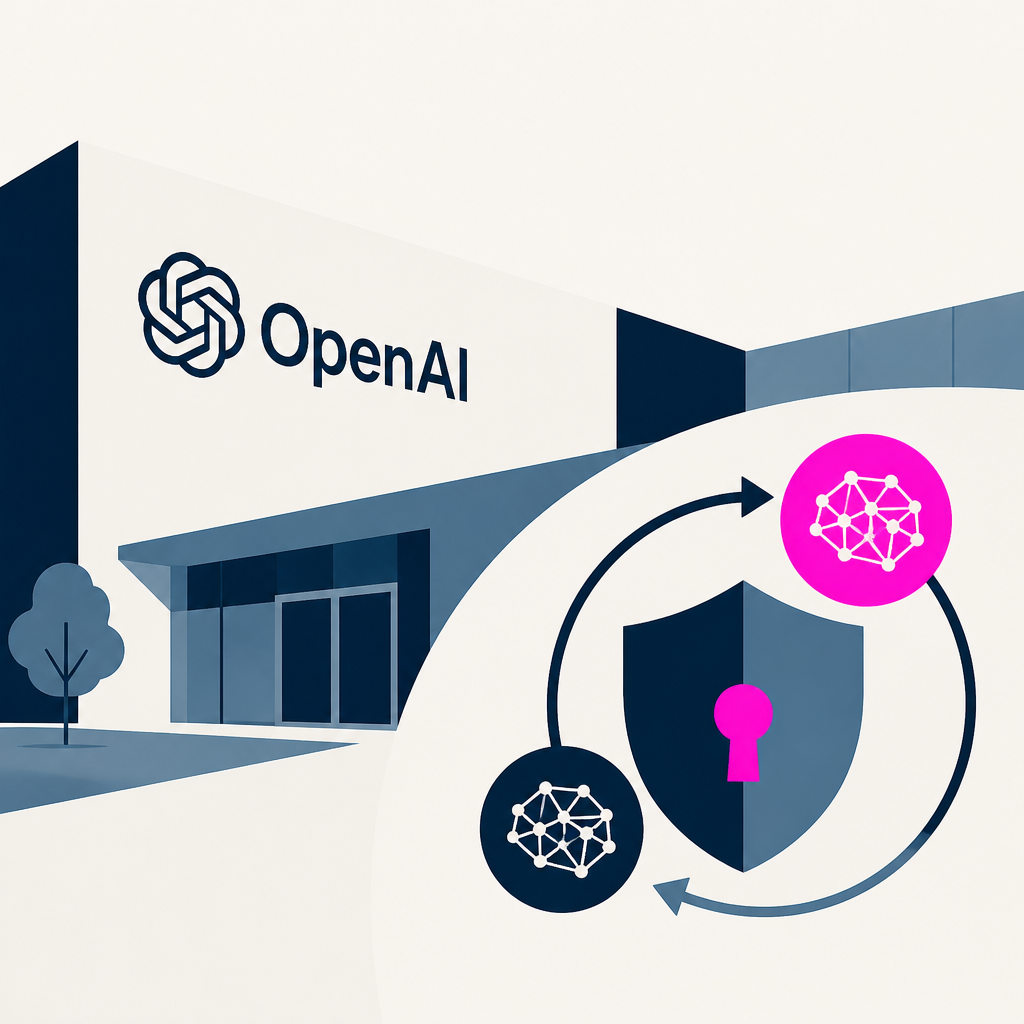
Meet GPT-Red: an LLM super-hacker OpenAI built to make its models safer

CSET Georgetown 3 months ago 51 ● 4 sources

OpenAI developed GPT-Red, an AI system designed to automatically identify vulnerabilities in large language models by performing adversarial red-teaming attacks. The system uses a self-play approach where AI tests AI defenses, according to CSET analyst Jessica Ji. The method shows promise for strengthening language model security against cyberattacks.

Meet GPT-Red: an LLM super-hacker OpenAI built to make its models safer

MIT Technology Review 3 months ago 39 ● 4 sources

OpenAI built GPT-Red, an AI system that automatically finds vulnerabilities in its models by simulating cyberattacks, particularly prompt injection attacks where hackers embed hidden instructions to manipulate LLM behavior. In testing against GPT-5.6, fewer than 23% of GPT-Red's strongest attacks succeeded compared to over 90% against the earlier GPT-5 released in August last year. The system supplements human red-teaming efforts and enables OpenAI to identify new attack types before deployment, though it remains limited in handling multi-turn conversations and image-based attacks.

Microsoft patches record number of security vulnerabilities, citing its use of AI

TechCrunch 3 months ago 58

Microsoft released patches for 570 security vulnerabilities across its product lines, attributing the spike to AI-assisted discovery of previously hidden code flaws. The batch included at least two zero-day exploits actively being used against Windows Server and SharePoint, with one allowing privilege escalation to system administrator level. Microsoft indicated that monthly patch volumes will remain elevated as AI tools continue to identify dormant vulnerabilities in legacy code.

How I tricked Claude into leaking your deepest, darkest secrets

Simon Willison's Weblog 3 months ago 49

A researcher discovered that Claude's web_fetch tool could be exploited through nested links on honeypot websites to extract user data, bypassing Anthropic's safeguards against data exfiltration attacks. The attack successfully retrieved a user's name, home city, and employer by tricking the model into following letter-by-letter URL sequences disguised as authentication prompts. Anthropic subsequently patched the vulnerability by removing web_fetch's ability to navigate links embedded within previously fetched pages.

The daily briefing

Every AI story that matters, in your inbox by 8am.

TLDRocket reads all relevant sources, removes duplicate coverage, and summarises the day in two minutes. Follow companies and topics for alerts, or get the briefing in Slack. Free, no spam, unsubscribe anytime.