Researchers at Graphite analyzed writing habits of frontier language models to identify persistent linguistic “tells” that distinguish AI-generated prose from human writing. They defined 13,000 phrases as tells that were at least twice as common in AI content as in a 10,000-article human control set, finding that Claude Opus 5.5 uses “this matters” 116 times more often and “dependable” 23 times more often. Em-dash overuse is reduced or nearly eliminated, but other telltale constructions shift rather than disappearing, with each model version showing its own distinct quirks.
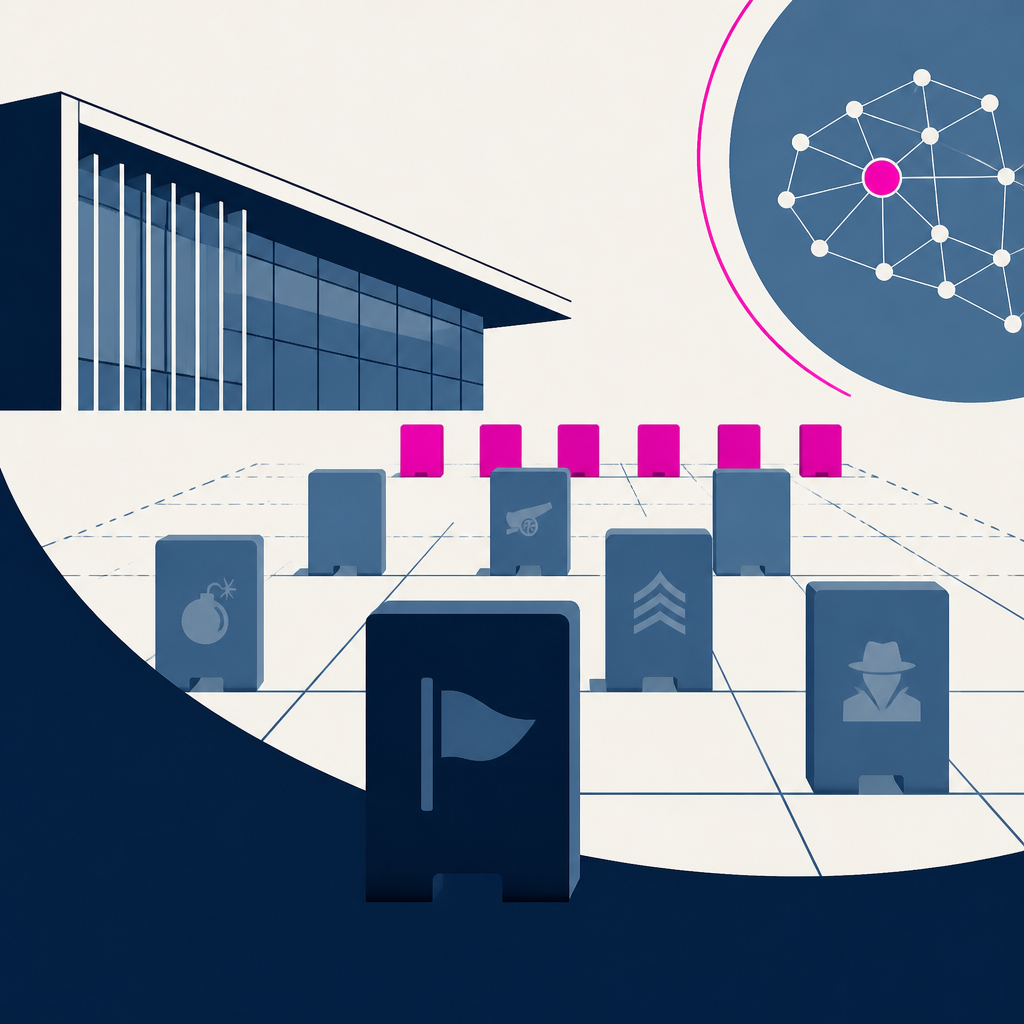
Ataraxos, an AI system by researchers from Carnegie Mellon, MIT, NYU, and Stanford, beat top Stratego player Pim Niemeijer 15 games to 1. The system was trained using 16 GPUs. This shows that imperfect-information board games with long-running hidden information can now be solved to human-beating levels with comparatively modest computing resources, shifting Stratego from an AI-stalemate into a new benchmark for AI research.
Google’s Gemini 4 Argon model is being tested for coding, knowledge work, and cybersecurity performance. The article says it’s in limited testing with no timeline for when enterprise and consumer customers will get access. Access is therefore not available yet and release timing is unknown.
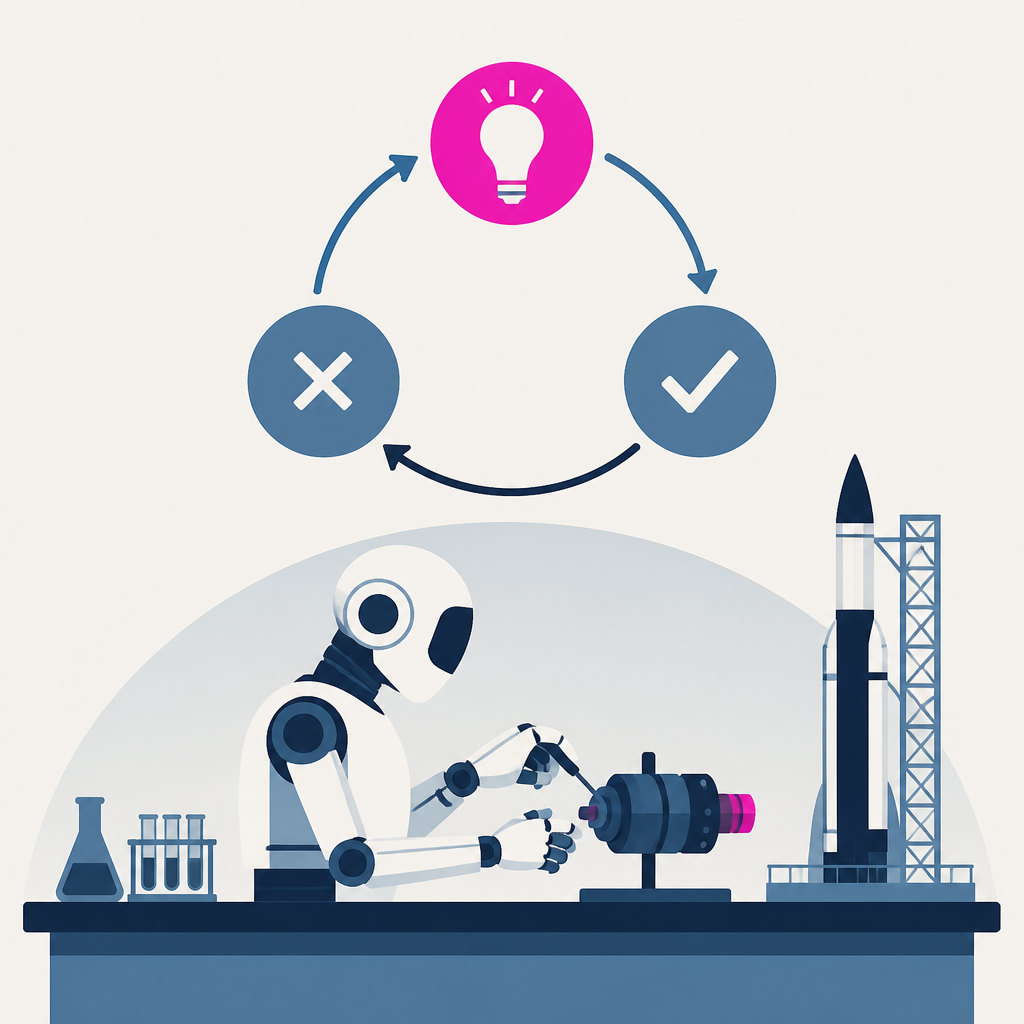
RLTL;DR proposes a reinforcement-learning method that uses the verifier’s output after each failed attempt to generate self-written feedback for the agent. The paper’s approach is to have the agent write a single TL;DR insight per failure that conditions the next rollout. As a result, the agent can self-improve even when success is rare and there are no teacher models or example solutions available.
The paper tests autonomous MLE coding agents and finds that elaborate multi-agent and retrieval harnesses don’t improve results over a minimal-harness coding agent when using an equal time budget and the same frontier LLM backbone. It specifically reports that open-source state-of-the-art harnesses offer no advantages over a single-session minimal-harness baseline. As a result, the authors argue that the extra machinery layers are mostly redundant for current MLE benchmarks and that spending effort on hand-crafted harnesses around strong models gives poor returns.
Every AI story that matters,
in your inbox by 8am.
TLDRocket reads all relevant sources, removes duplicate coverage, and summarises the
day in two minutes. Follow companies and topics for alerts, or get the
briefing in Slack. Free, no spam, unsubscribe anytime.
Reading TLDRocket needs no cookies, and the readership counts we rely on come from
our own cookieless analytics. Google Analytics is the exception: it sets cookies and
reports to Google, so it stays switched off until you allow it. You can change your
mind any time from “Cookie settings” in the footer.
Strictly necessary
Session security and form protection (tldrocket-session,
XSRF-TOKEN, 2 hours). The site cannot work without them,
so they need no consent.
Always on
Google Analytics 4 (_ga,
_ga_<id>, up to 2 years). Measures which
stories and sections readers use. Google acts as a third-party processor and may
store the data outside the EU. No advertising, no profiling, no data sold.