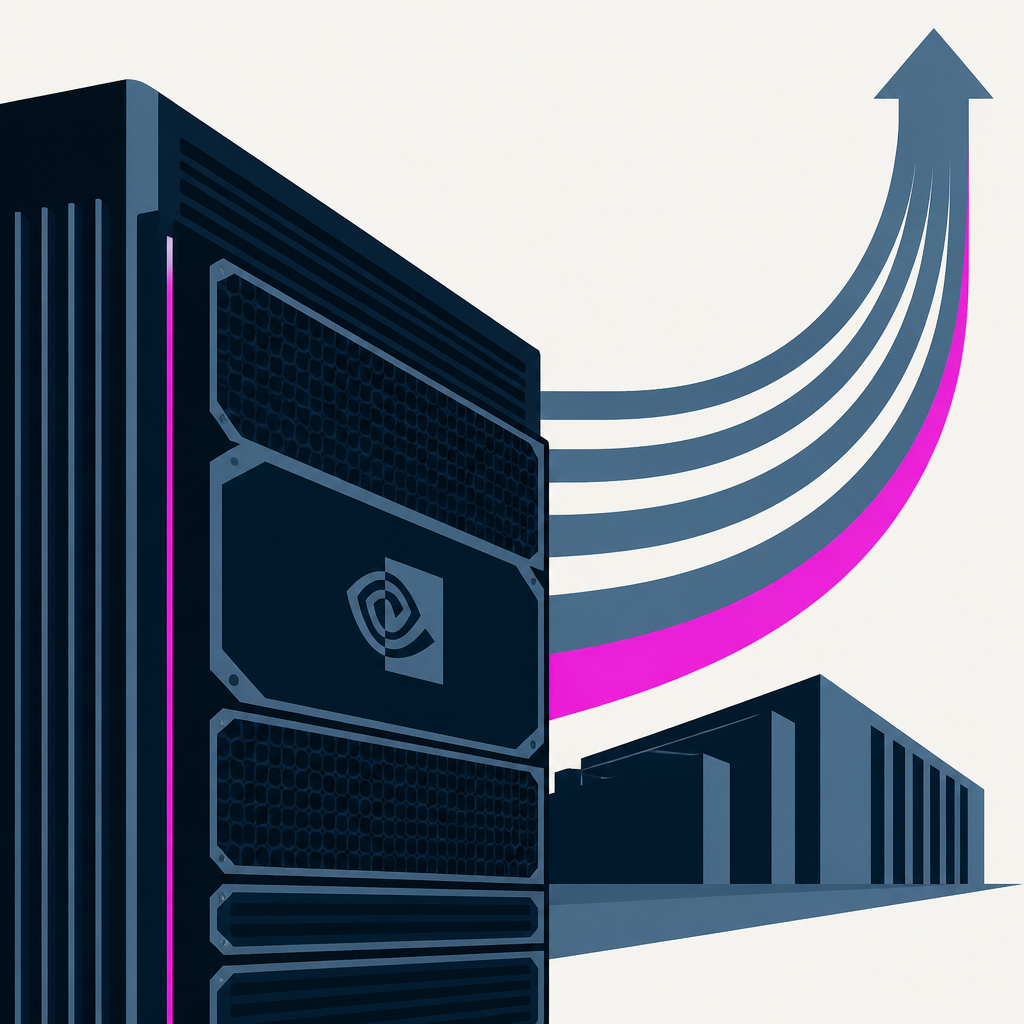
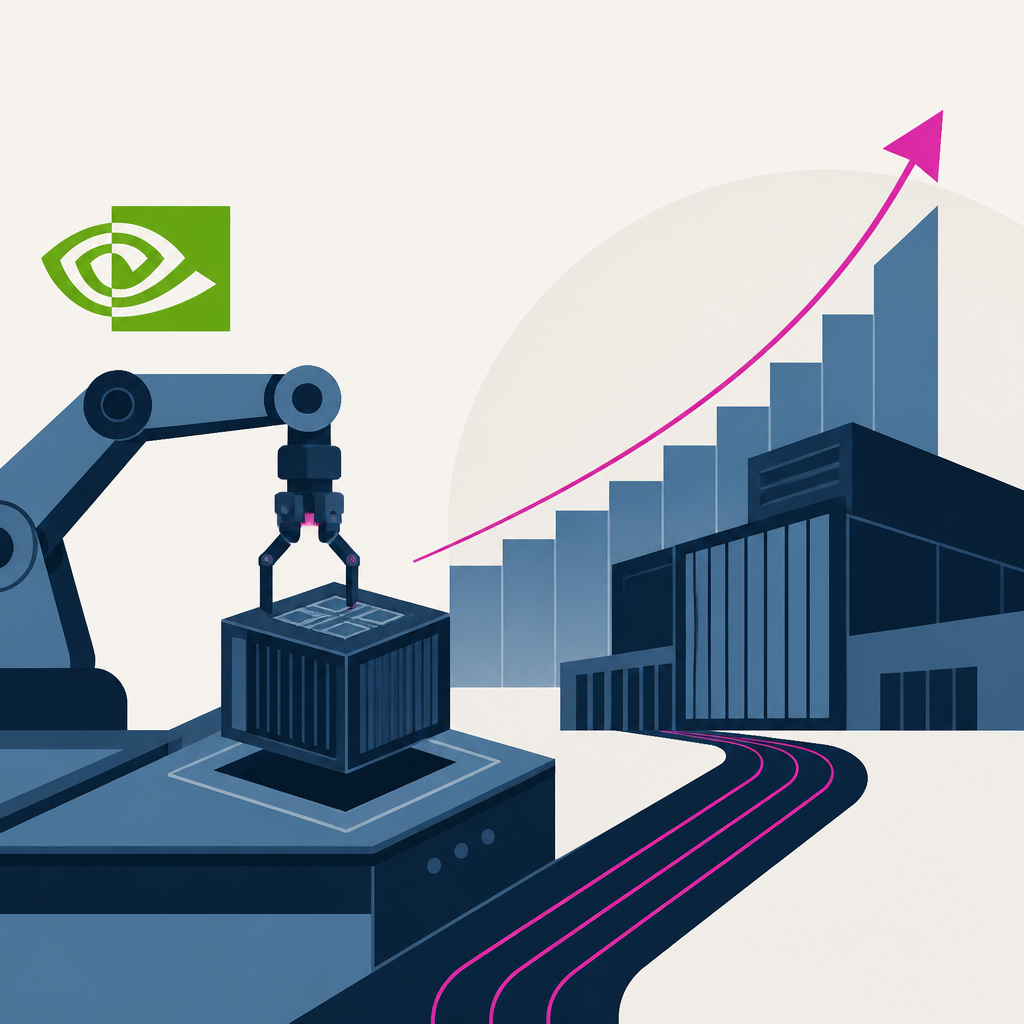
Nvidia announced partnerships with Apollo, BlackRock, Blackstone, Brookfield, Goldman Sachs, and KKR to set up financing platforms for AI infrastructure. The platforms aim to mobilize more than $500 billion from third-party investors. This shifts AI compute toward “productive infrastructure” financed by debt and institutional capital rather than relying on Nvidia’s or customers’ balance sheets, with Nvidia limiting its risk and potentially providing residual-value support up to 25% on some projects.
CIOs and CTOs at companies including Samsara, Docusign, Yum Brands, Cigna, and Compass are tightening AI usage, budgets, and model access as AI spending rises and some tools fail to deliver expected value. Global AI spending is projected to reach $2.5 trillion this year, a 44% increase, prompting shifts toward cheaper models and tighter guardrails like narrower context to cut token use. Companies are retraining staff and enforcing per-group or per-engineer limits so costs are managed and spending is kept from scaling as fast as compute and tokens.
Norway’s sovereign wealth fund CEO Nicolai Tangen said the fund is more nervous after record first-half gains. The fund reported an all-time high gain of 1.4 trillion kroner ($150 billion) for the first half of the year. He pointed to AI valuations, geopolitics, and concentration risk as reasons to be more cautious, which signals tighter attention to portfolio dangers going forward.
NVIDIA announced partnerships with Apollo, BlackRock, Blackstone, Brookfield, Goldman Sachs, and KKR to set up independent financing platforms for AI infrastructure buildouts. The platforms target mobilizing over $500 billion of third-party capital to fund AI factories over time. As a result, NVIDIA compute is positioned as an investable, revenue-producing infrastructure asset with redeployable capacity backed by long-term institutional financing decisions, rather than project-by-project chip purchases and data center builds.
Every AI story that matters,
in your inbox by 8am.
TLDRocket reads all relevant sources, removes duplicate coverage, and summarises the
day in two minutes. Follow companies and topics for alerts, or get the
briefing in Slack. Free, no spam, unsubscribe anytime.
Reading TLDRocket needs no cookies, and the readership counts we rely on come from
our own cookieless analytics. Google Analytics is the exception: it sets cookies and
reports to Google, so it stays switched off until you allow it. You can change your
mind any time from “Cookie settings” in the footer.
Strictly necessary
Session security and form protection (tldrocket-session,
XSRF-TOKEN, 2 hours). The site cannot work without them,
so they need no consent.
Always on
Google Analytics 4 (_ga,
_ga_<id>, up to 2 years). Measures which
stories and sections readers use. Google acts as a third-party processor and may
store the data outside the EU. No advertising, no profiling, no data sold.