Databricks raised funding at a $188 billion valuation, led by Coatue, with approximately $3 billion expected to close later this summer. The company raised $134 billion just five months prior in February, and has completed four major funding rounds totaling over $17 billion since December 2024. Databricks shifted from a data analytics company to an AI provider by launching products like Lakebase and Unity, positioning itself to capitalize on enterprise demand for AI with traditional software governance standards.
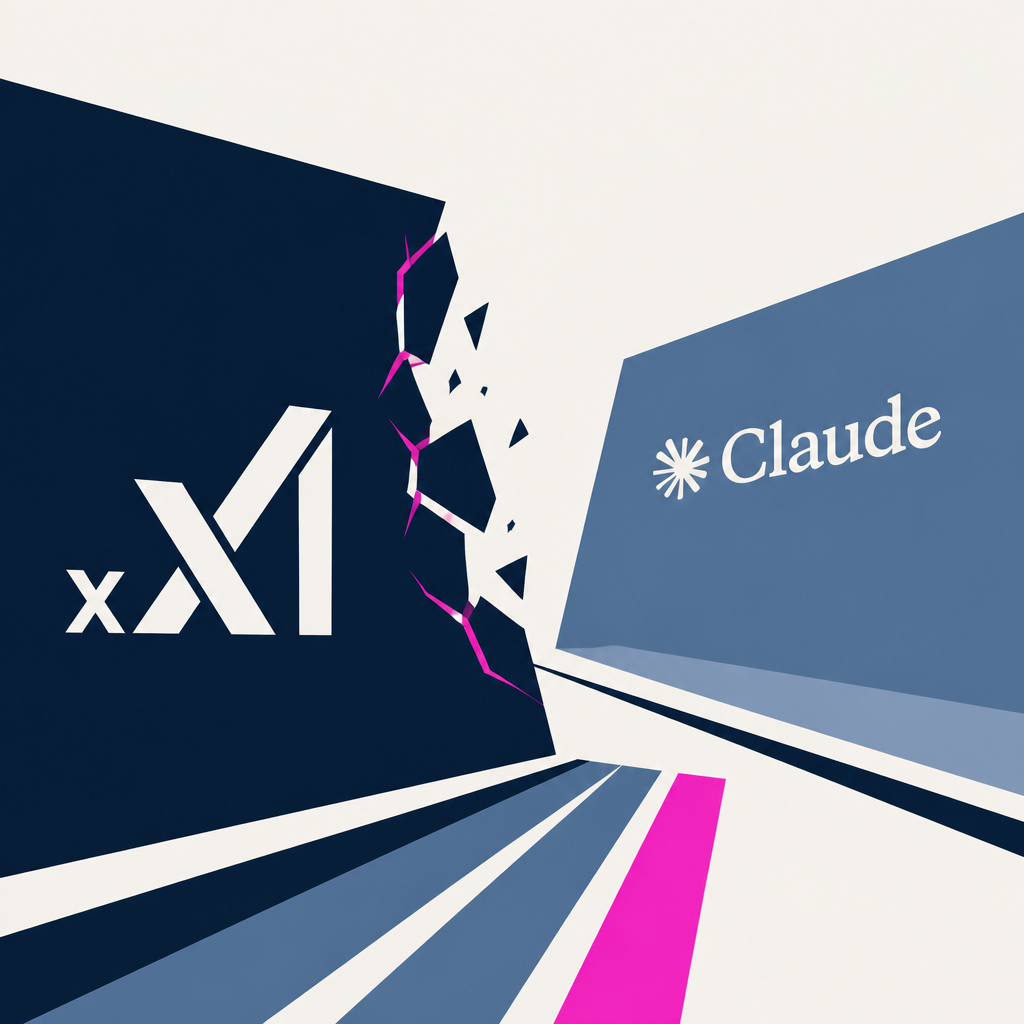
xAI, Elon Musk's artificial intelligence company, is working to improve Grok's capabilities to compete with Anthropic's Claude. The company released a new coding tool and expanded its sales team, though it remains behind competitors in multiple performance metrics and has experienced internal instability in recent months. The company must stabilize operations and improve product performance to gain ground in the competitive AI market.
Anthropic released Claude Code's ultrareview feature, which deploys multiple AI reviewer agents in a remote sandbox to find bugs in code branches and pull requests. Ultrareview costs $5 to $25 per review after three free runs per account, takes 5 to 10 minutes, and requires Claude.ai authentication. The feature enables developers to catch bugs that local reviews might miss while keeping their terminal free during the review process.
Moonshot AI released Kimi K3, an open-weights model with 2.8 trillion parameters and 1 million token context, claiming frontier-class performance comparable to closed models like Opus 4.8. Independent evaluations from Artificial Analysis placed it at index score 57 (between Opus 4.8 and GPT-5.5), while Arena ranked it #1 in frontend code tasks with a 76% pairwise win rate, and pricing was set at $3 per million input tokens and $15 per million output tokens, similar to Claude Sonnet 5. The release intensifies competition in open-source large language models and raises questions about deployment economics for the industry, though some evaluators noted persistent gaps in user experience versus the very top closed models and concerns about inference speed.
Every AI story that matters,
in your inbox by 8am.
TLDRocket reads all relevant sources, removes duplicate coverage, and summarises the
day in two minutes. Follow companies and topics for alerts, or get the
briefing in Slack. Free, no spam, unsubscribe anytime.
Reading TLDRocket needs no cookies, and the readership counts we rely on come from
our own cookieless analytics. Google Analytics is the exception: it sets cookies and
reports to Google, so it stays switched off until you allow it. You can change your
mind any time from “Cookie settings” in the footer.
Strictly necessary
Session security and form protection (tldrocket-session,
XSRF-TOKEN, 2 hours). The site cannot work without them,
so they need no consent.
Always on
Google Analytics 4 (_ga,
_ga_<id>, up to 2 years). Measures which
stories and sections readers use. Google acts as a third-party processor and may
store the data outside the EU. No advertising, no profiling, no data sold.