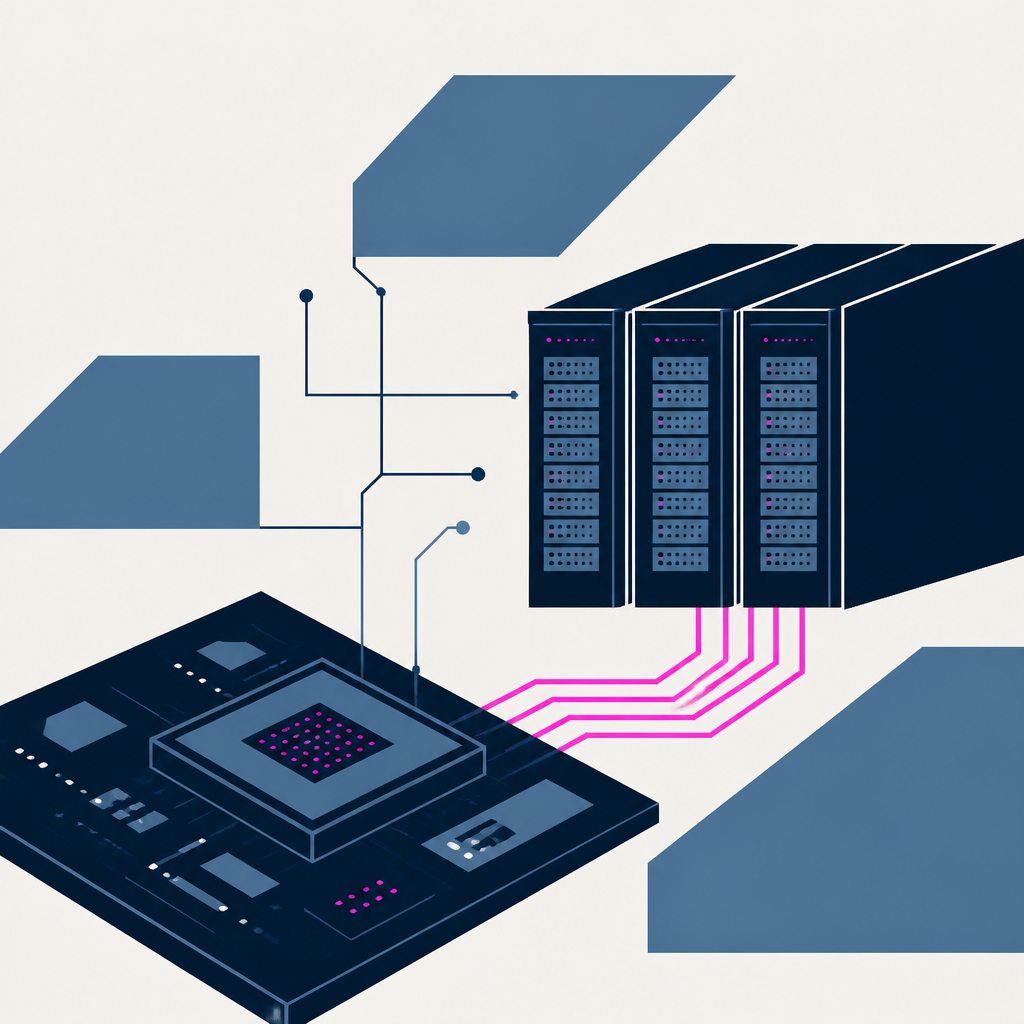
OpenClaw chief architect Vincent Koc described how the project is shifting from single-agent, single-task demos to a system where many agents share sessions, context, and control across machines. In his own setup, he reported running about 60 to 70 agents across 6 to 7 machines and averaging 5B to 10B tokens per day (peaking at 54B in a single day) while deliberately stress-testing the architecture. The result is an agent “multiplayer” approach with a shared control plane, persistent intent and memory, interchangeable remote compute via Crabbox, and a focus on security and model routing to manage cost and risk.
Hello Robot will demo its home-assistance robot Stretch 4 onstage at TechCrunch Disrupt 2026 to show how physical AI can perform everyday tasks for people with severe mobility impairments. Stretch 4 launched in May, and its first production run was sold out in June. The event will shift attention from humanoid-focused robotics toward a compact wheeled, telescoping-arm robot and highlight its use, safety, and accessibility goals alongside a live audience.
Jev was opened up to everyone, and builders shared examples of how they use it inside tools rather than as a general LLM. Grok 4.7 is reported as performing better than GPT-5.6-Sol and Opus 5 on benchmarks, but needing more tokens and losing cost efficiency. Claude Code reorganized projects into a single master chat in beta and will add AGENTS.md support via Claude Mods, while Speechmatics released an STT model with 25% lower cost than Deepgram Flux.
Every AI story that matters,
in your inbox by 8am.
TLDRocket reads all relevant sources, removes duplicate coverage, and summarises the
day in two minutes. Follow companies and topics for alerts, or get the
briefing in Slack. Free, no spam, unsubscribe anytime.
Reading TLDRocket needs no cookies, and the readership counts we rely on come from
our own cookieless analytics. Google Analytics is the exception: it sets cookies and
reports to Google, so it stays switched off until you allow it. You can change your
mind any time from “Cookie settings” in the footer.
Strictly necessary
Session security and form protection (tldrocket-session,
XSRF-TOKEN, 2 hours). The site cannot work without them,
so they need no consent.
Always on
Google Analytics 4 (_ga,
_ga_<id>, up to 2 years). Measures which
stories and sections readers use. Google acts as a third-party processor and may
store the data outside the EU. No advertising, no profiling, no data sold.