You are the Team — Anekha Sokhal, Moshi
Latent Space ● Covered by 2 sources
Anekha Sokhal built Moshi to turn market chaos into trading signals. She says traders need software that fits their workflow, not another dashboard.
Based on reporting by Latent Space — read the original for the full story.
Summary, retelling and take written by AI under human oversight; images are AI-generated illustrations. How we work · Report an error
Tickets and applications are now live for AIE CODE, the last flagship AIE of the year. The episode at AI Engineer New York centers on Anekha Sokhal, a former energy derivatives trader who has turned founder and is now CEO of Moshi, a tool aimed at helping traders make sense of markets faster than any human could on their own.
Sokhal’s path runs through mathematics, operations research, statistics and economics at Warwick, then internships in investment banking and trading, and finally JPMorgan, where she worked first on emerging markets and then in commodities and energy derivatives. She says that background taught her to look at markets as a bundle of data problems, not just prices moving on a screen. That mindset is the whole premise of Moshi.
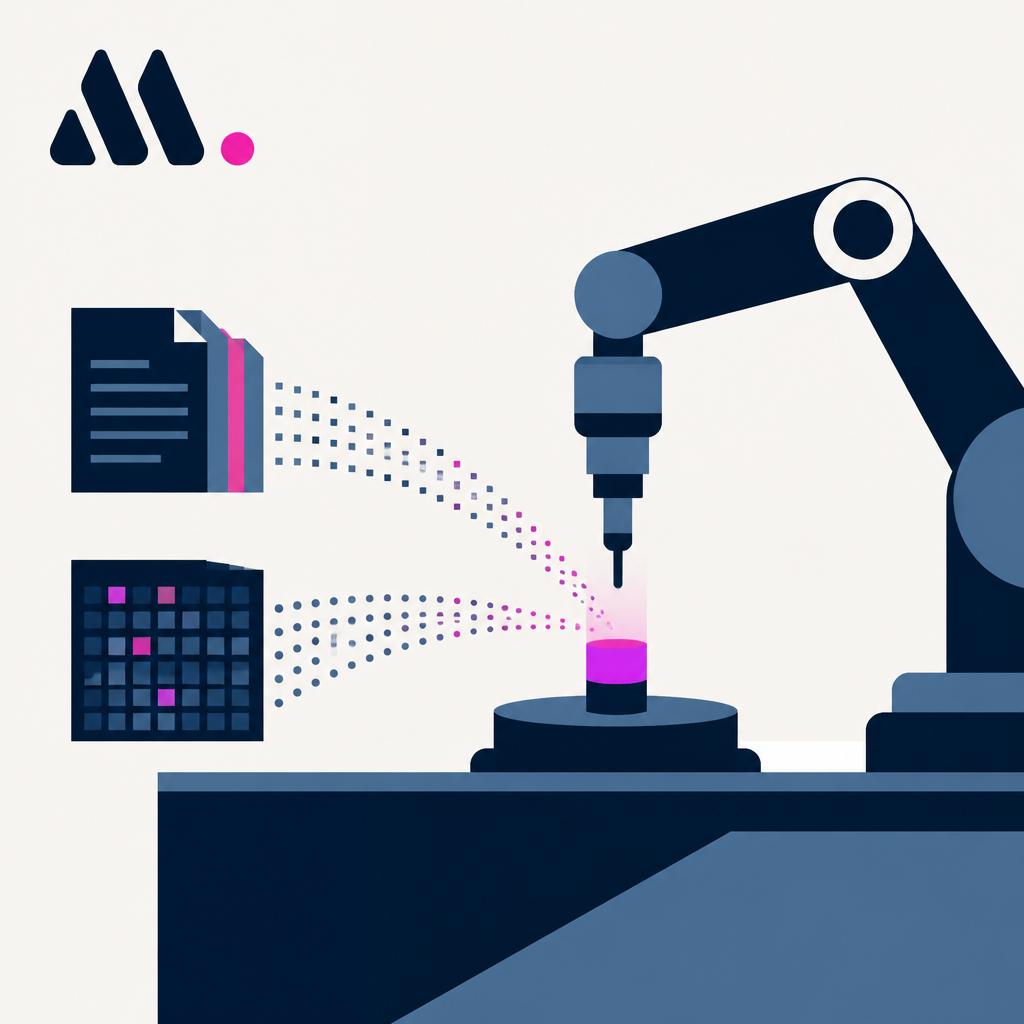
Moshi is built as a recommendation engine for traders in commodity, energy and macro markets. It ingests structured and unstructured data, from futures time series and technical indicators to news, X data, podcasts and a user’s private information such as subscriptions or internal data. Sokhal says the system processes so much that, in the time it takes her to say a sentence, Moshi has already learned 300 new things. The point is not just volume. It is sorting the flood into something tied to a trader’s book.
That is why she pushes back on the idea that Moshi is simply “new Bloomberg.” Bloomberg has useful parts, she says, but Moshi is meant to be different software altogether: part Bloomberg, part Claude, part Netflix. The recommendation layer matters most. If an energy equities move could indirectly affect oil, Moshi is supposed to connect those dots immediately, the way a human might, except without waiting for the human.
The interview also circles around a very current AI problem: plenty of teams can build a dashboard, but that does not mean anyone will use it. Sokhal says the hard part is fitting into real workflows, not just making something clever. She came away from the conference with more customer meetings than she expected, which is a nice reminder that before hiring a bigger machine, sometimes the smartest move is just talking to the people who will have to live with it.
My take — AI-written commentary, not fact-checked reporting
The real story here isn’t another “AI for traders” pitch. It’s that the best product idea is still an opinionated workflow, not a pile of model swagger in a nice font. Teams keep getting told they are the team, which is a lovely way to say the company has outsourced its org chart to a demo.
Read more about this at: Latent Space