
Launch HN: Agnost AI (YC S26) – Extract user feedback from agent conversations
agnost.ai laalshaitaan ● Covered by 2 sources
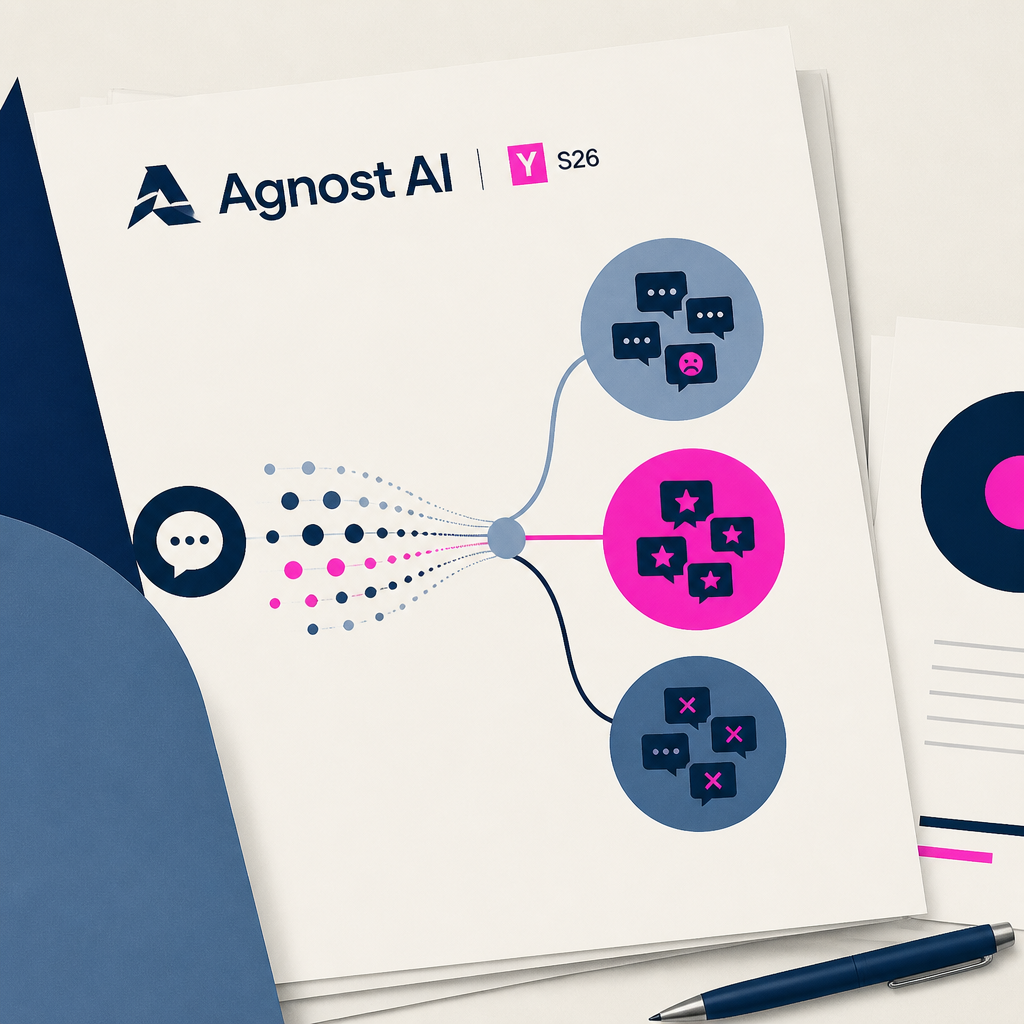
Agnost AI, a YC S26 startup, launched product analytics software that extracts user behavioral signals from chat and voice agent conversations by clustering messages to identify frustration patterns, feature requests, and failures. The company ingests approximately 1 million messages daily from production agents, uses a hybrid clustering approach combining cosine drift segmentation with BIRCH and HDBSCAN to avoid expensive LLM processing at scale, and charges $499 per month for pro-tier access. Teams can now discover hidden product feedback like the video editor company that found 70 users requesting auto-subtitles expressed through varied phrasings across 12 repeated interactions.
Why it matters
Hey HN, we’re Shubham & Parth, childhood friends building Agnost AI (https://agnost.ai), product analytics for teams building chat and voice agents.We read production conversations and find behavioral failures like users rageprompting (cursing at the agent), repeatedly rephrasing the same request, correcting the agent, asking for missing features, or leaving after an answer that was technically successful.We have an interactive demo with no signup here: https://app.agnost.ai?demo=trueHere's a demo video: https://www.tella.tv/video/agnost-ai-launch-hn-demo-9haaThe core problem is that chat and voice products do not have the same metrics as web apps. When the product interface is language, clicks and funnels become much less useful. Users also rarely give explicit feedback, and when they do it's usually sugarcoated. I barely type /feedback in Claude or Codex myself. Most users just curse, ask again, correct the agent, or leave. So product engineers get technical visibility from latency,
Related stories
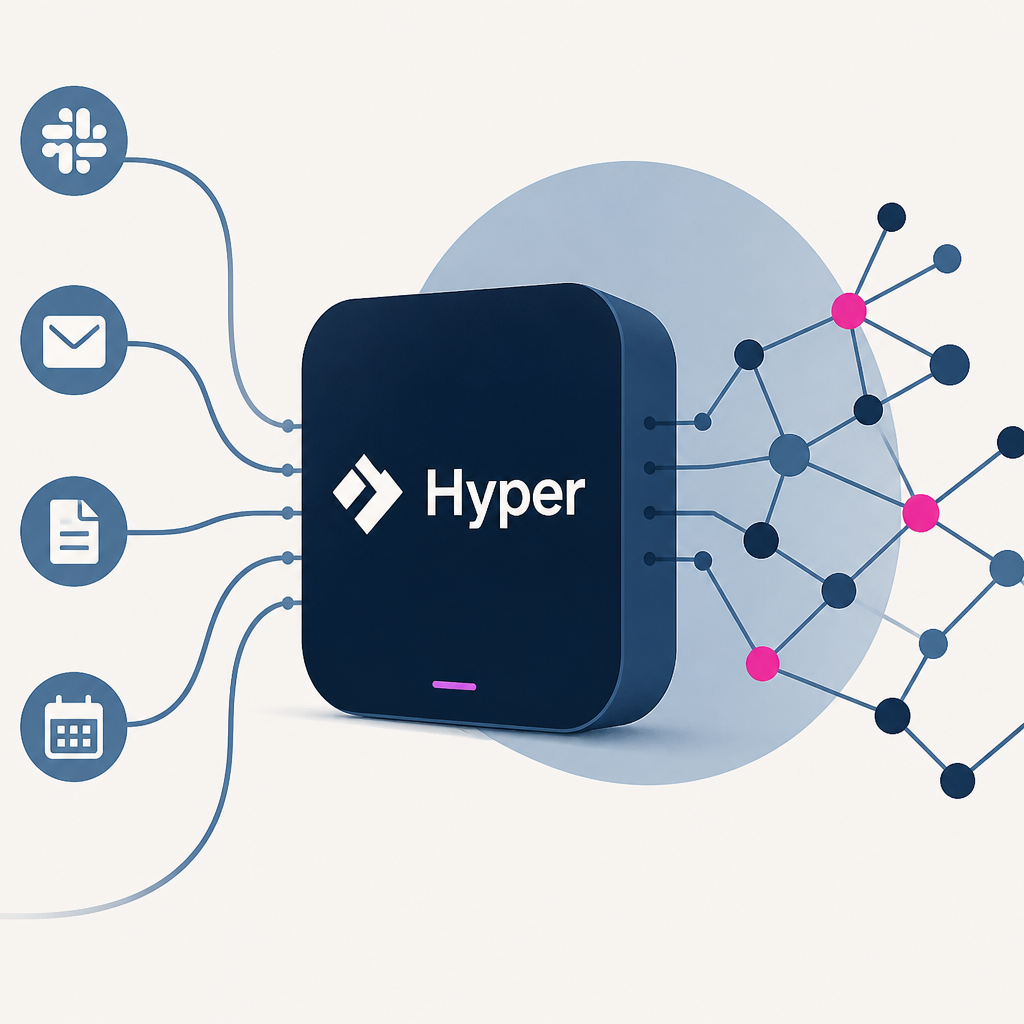 Launch HN: Hyper (YC P26) – Company brain to power agentic development
Hacker News · 3 months ago ·
50
Launch HN: Hyper (YC P26) – Company brain to power agentic development
Hacker News · 3 months ago ·
50
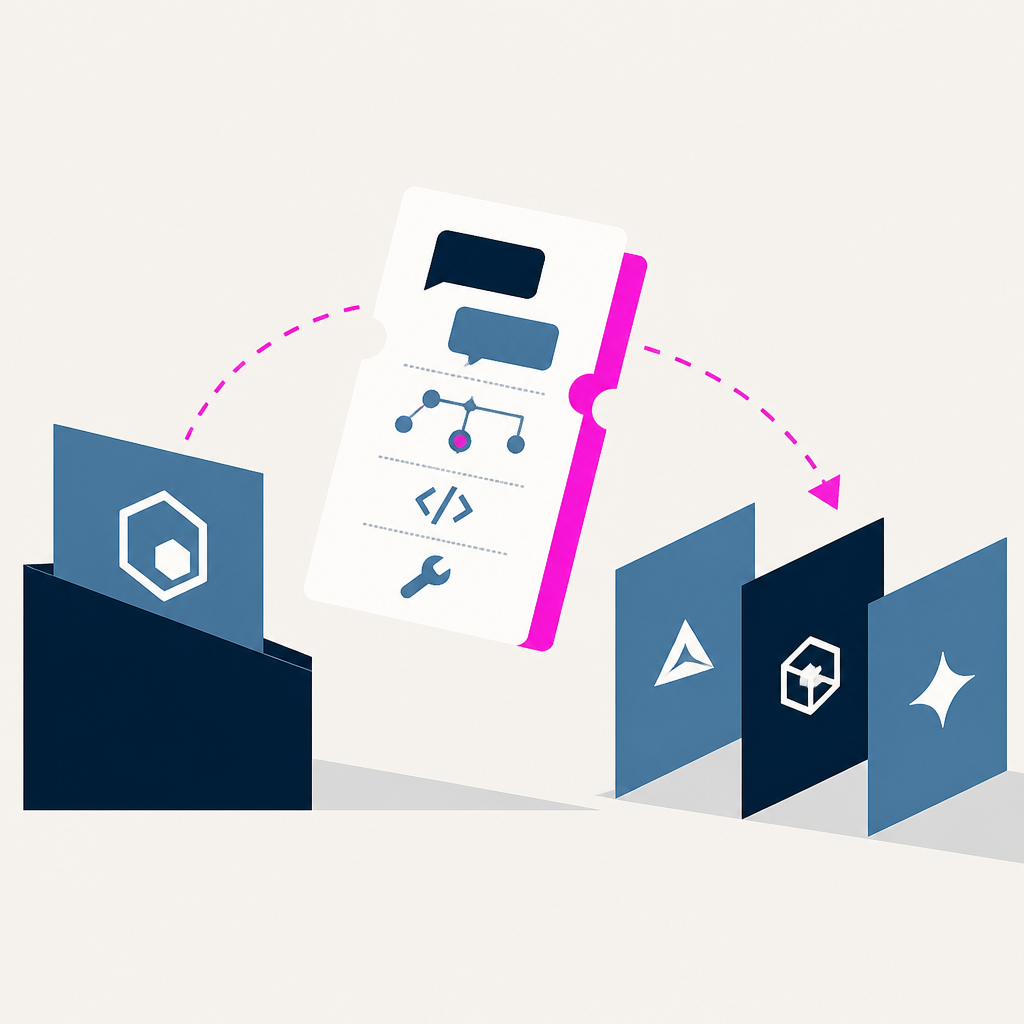 Launch HN: Skillsync (YC W26) – AI chat sessions made portable across agents
Hacker News · 4 days ago ·
35
Launch HN: Skillsync (YC W26) – AI chat sessions made portable across agents
Hacker News · 4 days ago ·
35
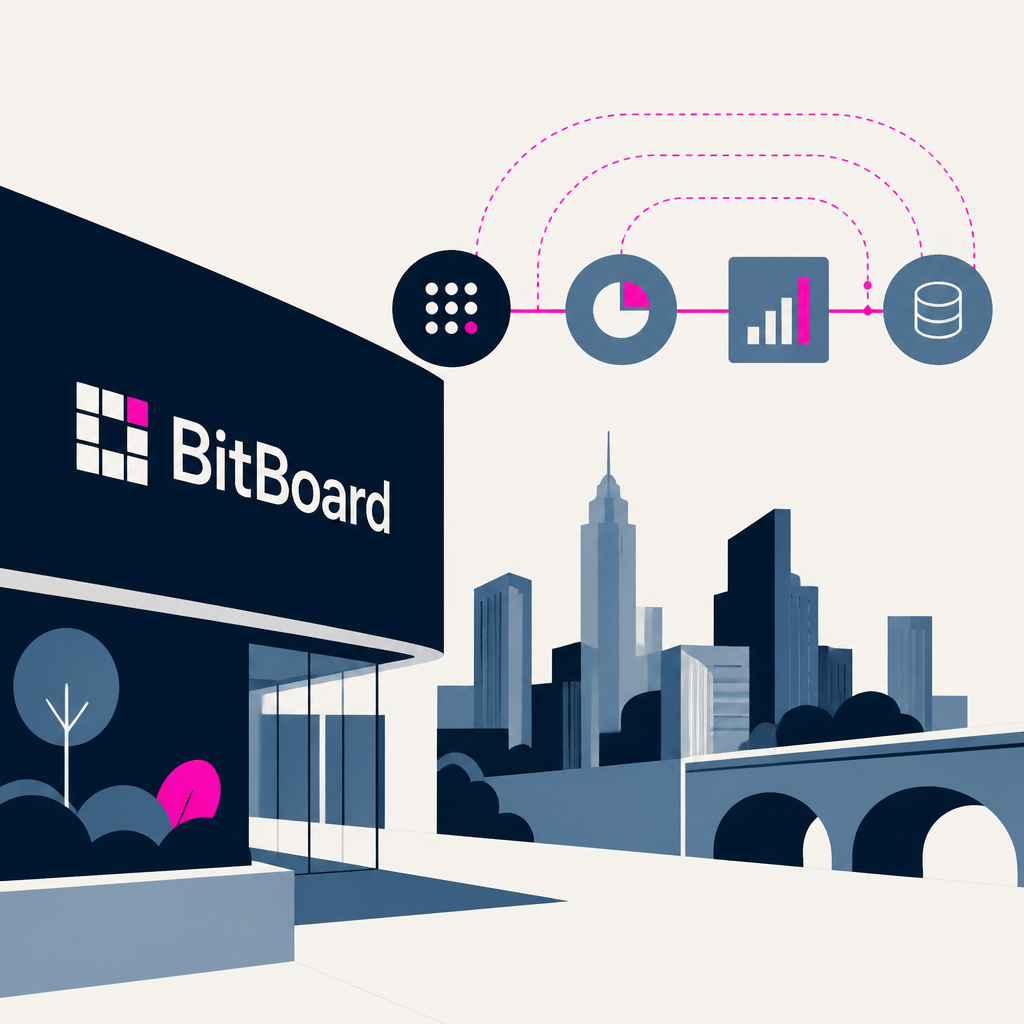 Launch HN: BitBoard (YC P25) – Analytics Workspace for Agents
bitboard.work · 3 months ago ·
20
Launch HN: BitBoard (YC P25) – Analytics Workspace for Agents
bitboard.work · 3 months ago ·
20