😺 Watch: AI can write DNA now. What could go wrong?
The Neuron
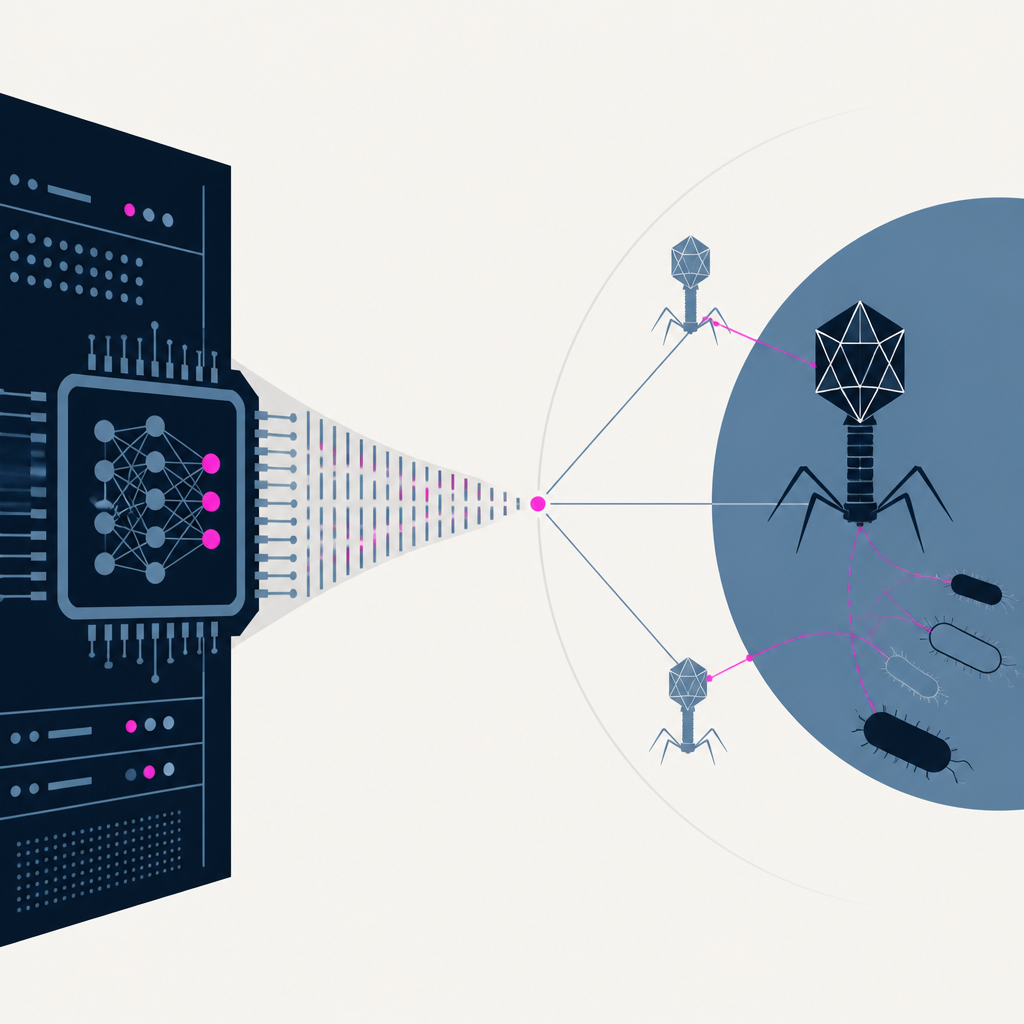
AI can now write DNA, and one model already built a full virus genome. That could help medicine, or hand biosecurity a very sharp new headache.
Based on reporting by The Neuron — read the original for the full story.
Summary, retelling and take written by AI under human oversight; images are AI-generated illustrations. How we work · Report an error
Most AI models are still stuck on text, images, and code. Eric Nguyen has been pushing them into something stranger: DNA. In a new Neuron interview, the co-founder and CEO of Radical Numerics talks through AI-designed CRISPR systems, complete viral genomes, personalized medicine, and the ugly question that shows up once software starts making biology instead of describing it.
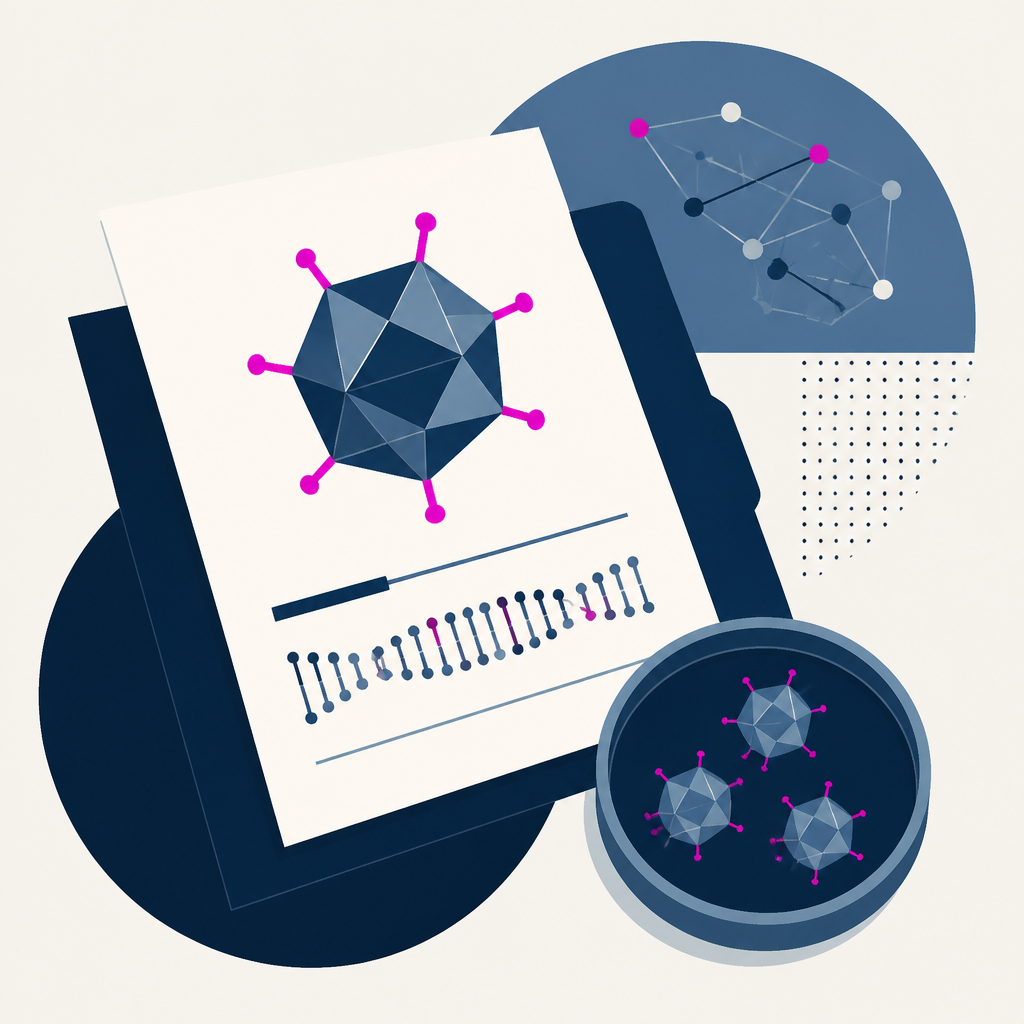
Nguyen’s earlier model, Evo, already did more than toy examples. The source says it helped scientists design working CRISPR-Cas systems and later generate a complete bacteriophage genome. That is the kind of result that makes researchers excited and security people nervous at the same time. If a model can assemble a real viral genome, it can also reshape one in ways that may be harder to spot.
Radical Numerics is now aiming broader. Its newer work, Omnii, combines DNA with RNA, proteins, epigenetics, and other biological signals. The point is not just to read a sequence, but to understand how changes move through a system. In the company’s framing, that could help with safer therapies and faster responses to new threats. In practice, it means treating biology like a language problem with a lot more context than your average chatbot can hold.
The interview includes a sharp example of why people are paying attention. Nguyen says a new teammate used Omnii to rank Alzheimer’s-related genes in roughly half an hour, after scientists had spent two years validating them in the lab. That kind of speed is the seduction here. AI can collapse work that used to take ages, but the source is also blunt about the limit: models can propose sequences quickly, while experiments, manufacturing, and safety checks still happen in the physical world.
And that gap is where the real story sits. Biological AI is moving from reading life to designing it. That opens the door to custom bacteriophages, personalized treatment, and maybe one day a doctor designing therapy from a snapshot of your biology. It also creates the obvious problem: the same models that can generate novel biology may be needed to detect it.
The Neuron frames the episode as a way to make genomic AI understandable without flattening the weirdness. It sounds like a fair trade. The weirdness is the point.
My take — AI-written commentary, not fact-checked reporting
This is the part where the industry calls it innovation and then acts surprised when security people start sweating. If AI can write biology, then biosecurity can’t stay stuck in the era of static signatures and wishful thinking. The uncomfortable truth is that the field keeps building smarter makers before it has equally smart guards, and that’s a very modern way to invite trouble.
Read more about this at: The Neuron