Vercel Open-Sources durable-harness for Crash-Proof Coding Agents
MarkTechPost Michal Sutter
Vercel open-sourced durable-harness, which keeps coding agent sessions alive after crashes. It logs each step so finished work can resume without being run or billed twice.
Based on reporting by MarkTechPost, Michal Sutter — read the original for the full story.
Summary, retelling and take written by AI under human oversight; images are AI-generated illustrations. How we work · Report an error
Vercel has released durable-harness, an open-source package aimed at one of the annoyances of cloud-based coding agents: a dead process that takes the work with it. The package wraps existing harnesses like Pi, OpenCode, Claude Code and Codex without changing them, and it keeps each session in a durable log instead of relying on memory alone.
That matters because these harnesses were built as long-lived local processes. On a laptop, the workspace and history usually live together, so a session can be picked up with little fuss. In the cloud, a failed turn or a network hiccup can mean the agent loses track of what already happened. durable-harness is Vercel’s answer to that gap.
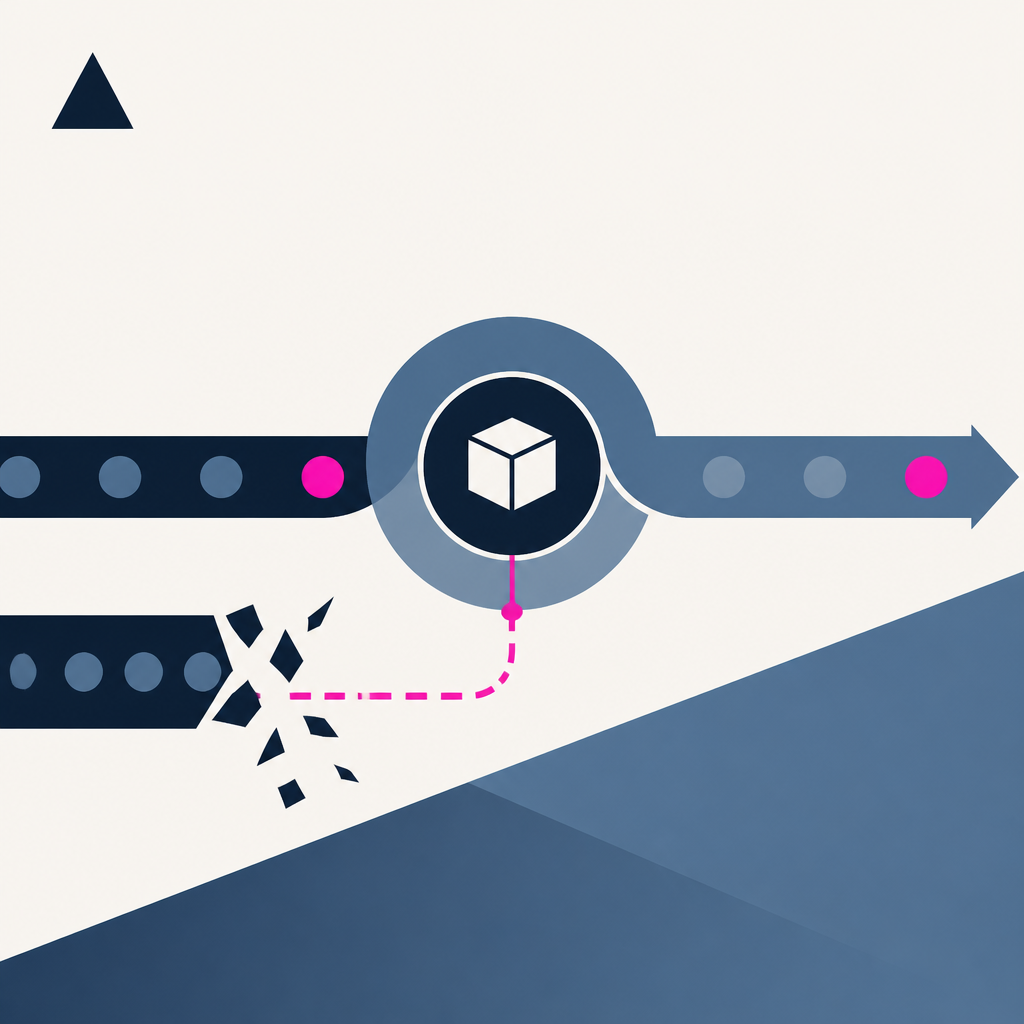
The mechanics are straightforward. Before a model or tool call runs, the system records an intent. When the call finishes, it records the outcome. If a function dies, the queued turn gets handed to a new function, which reads the log and keeps going. Completed model calls are read back from the log, so they are not repeated or billed twice. Replayable tools can run again, while things like refunds are treated as never-run-twice operations.
Vercel says the package can run in several places: on Vercel Functions with Vercel Queues, on Node.js 22+ with Postgres, or even on laptop files. Claude Code and Codex need a Vercel Sandbox, including in self-hosted setups. The package is still version 0.0.x and Apache-2.0 licensed, so this is clearly an early release, not some polished finished platform.
The wrapper also mirrors harness session files into the log, which covers things like Claude Code’s transcript, Codex’s rollout and OpenCode’s event store. Vercel says model-chosen commands do not run on the function’s own disk, and the docs list three workspace modes: virtual(), virtual({ durable: false }) and sandbox(). The company has not published latency or throughput benchmarks, so the durability claims remain self-reported for now.
My take — AI-written commentary, not fact-checked reporting
This is the right kind of boring infrastructure: less magic, more bookkeeping. Open models love a grand demo; real agents need receipts, retries and a memory that doesn’t vanish when a function sneezes. The only downside is that 0.0.x is still the software equivalent of a chair with one leg on a coaster.
Read more about this at: MarkTechPost