Understanding neural networks through sparse circuits
OpenAI
OpenAI is building AI models with sparse internal wiring so researchers can actually trace how they think. That matters because right now nobody can fully explain why neural networks make the choices they do.
Based on reporting by OpenAI — read the original for the full story.
Summary, retelling and take written by AI under human oversight; images are AI-generated illustrations. How we work · Report an error
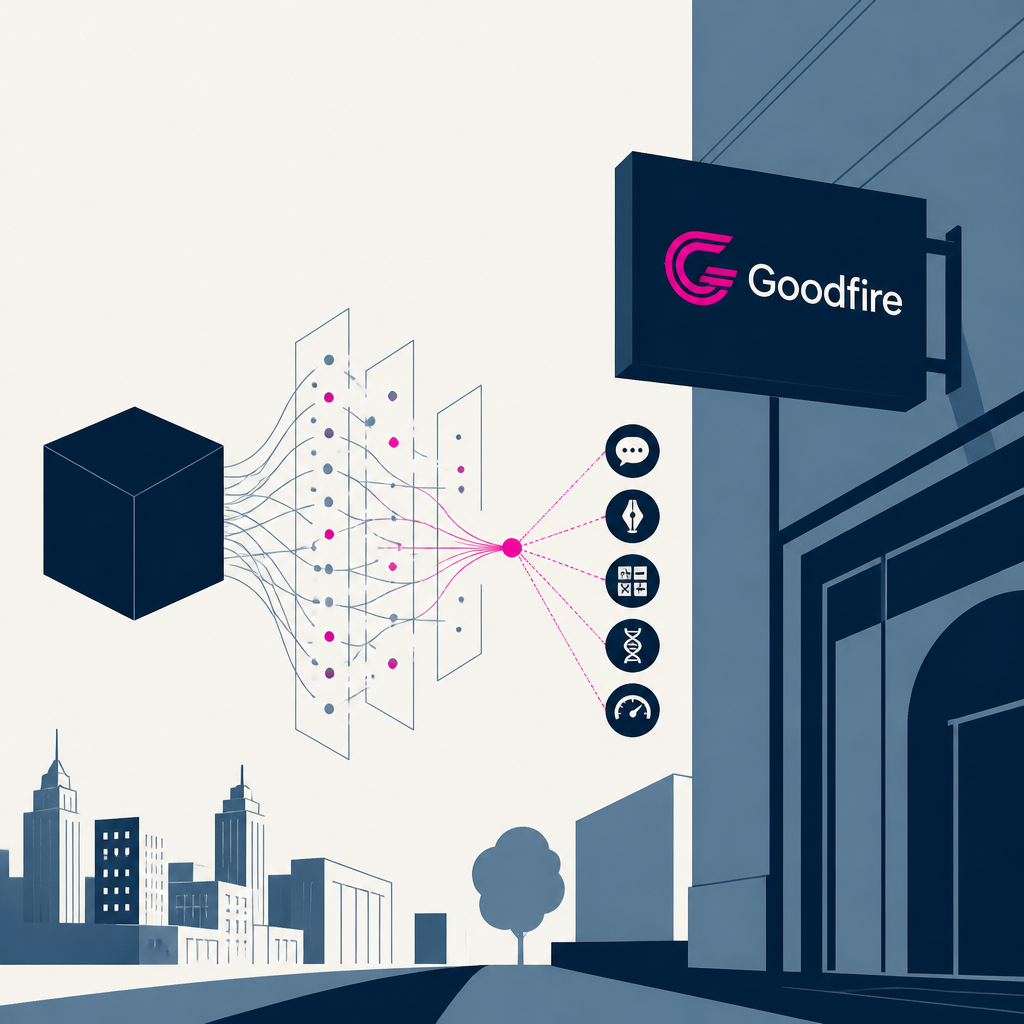
OpenAI just published research on what it calls sparse circuits, a fresh attempt to crack open the black box of neural networks. The core idea is simple to state and hard to execute: instead of training models where every neuron connects to nearly everything else, you train models where most of those connections are forced to zero. Fewer connections means fewer paths to trace, and fewer paths means a researcher might actually follow the logic from input to output without losing the thread.
This is mechanistic interpretability, a field that has spent years trying to reverse-engineer trained models the way you'd reverse-engineer a piece of compiled software with no source code. Dense networks make this brutally hard because a single behavior can be smeared across thousands of neurons, each doing a sliver of the work. OpenAI's bet is that sparsity concentrates that work into identifiable circuits, small clusters of neurons and weights that handle a specific task or concept. Find the circuit, and you find the explanation.
The stakes here go beyond academic curiosity. As models get folded into medical triage, financial systems, and code that runs unattended, the gap between
My take — AI-written commentary, not fact-checked reporting
I'll believe interpretability research is winning when a lab can point to a specific failure and say exactly which circuit caused it, not just publish a nice diagram after the fact. Sparse models are a promising lever, but OpenAI running this work in-house, on its own frontier models, means outsiders still have to take the safety claims on faith. If transparency is the goal, the tooling and findings need to ship openly enough that competitors and independent auditors can actually kick the tires.
Read more about this at: OpenAI