
Shein CEO’s wealth slumps $15 billion after whittled-down IPO
Fortune Bloomberg ● Covered by 4 sources
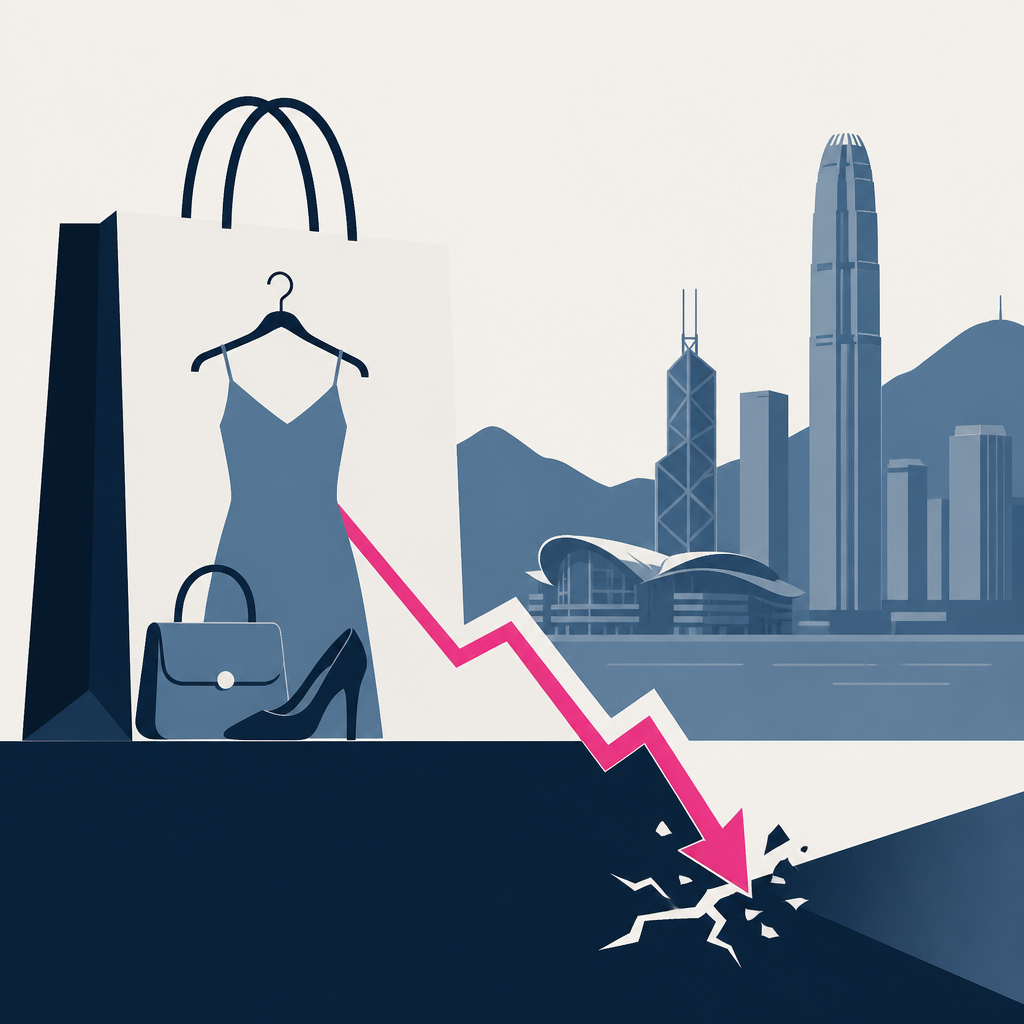
Shein’s Hong Kong IPO is cutting Sky Xu’s fortune to about $8 billion. The deal lands after the company missed its best window and AI stole investors’ attention.
Based on reporting by Fortune, Bloomberg — read the original for the full story.
Summary, retelling and take written by AI under human oversight; images are AI-generated illustrations. How we work · Report an error
Shein used to look unstoppable. At one point, the fast-fashion seller was worth more than the parent companies of H&M and Zara, and its founder, Sky Xu, was sitting on more than $23 billion. That picture has changed fast. By the time Shein lists in Hong Kong on Tuesday, the company is valued at just over a quarter of the $100 billion mark it reached in 2022, and Xu’s stake leaves him with about $8 billion, according to the Bloomberg Billionaires Index.
That is a drop of more than $15 billion for a founder who built his company into one of the most closely watched names in e-commerce. The timing could hardly be worse. Chinese consumer companies that went public over the past year initially caught investor interest, but then a wave of artificial-intelligence listings pulled the market’s attention — and the money — elsewhere. Sam Wyatt, who manages international equities at U Ethical Investors in Melbourne, put it bluntly: Shein missed the window.
The company’s own story has also turned less flattering. Xu started Shein in 2012 with three partners, all veterans of the same search-engine marketing firm. They turned it into an online retailer selling cheap, trendy clothes, and the business surged during Covid as younger shoppers piled in. Since then, Shein has disclosed that revenue growth has slowed.
The old playbook is also under pressure. Shein built part of its appeal on shipping small parcels in ways that sidestepped import taxes in the US and Europe. That got harder last year, when the Trump administration ended a key tariff exemption and the European Union introduced a fixed customs duty on small parcels. At the same time, Shein faced political scrutiny, competition has intensified, and its attempts to list in New York and London ran into labor concerns. The company shifted its global headquarters to Singapore, but still needed Chinese regulators to sign off on the IPO.
Others in Hong Kong have shown that a hot debut is no guarantee of staying power. Eastroc Beverage Group and Muyuan Foods both trade below their listing prices, and the brothers behind Mixue have already seen their wealth shrink by more than a fifth since their company went public. Shein’s story now sits in that same awkward zone: still big, still well-known, but no longer the market’s shiny new object.
My take — AI-written commentary, not fact-checked reporting
This is what happens when a company’s edge is mostly timing, tax rules, and cheap attention. Shein didn’t just miss an IPO moment; it got caught standing still while AI ate the room. For anyone still worshipping the fast-growth, IPO-as-finale script, the punchline is getting less funny by the quarter.
Read more about this at: Fortune
Related stories
 Unitree vs. Shein: How August’s big China IPOs show how AI hype is leaving e-commerce giants behind
Fortune ·
18
DeepSeek and Moonshot AI: China’s A.I. Stars Head for the Stock Market
Trending Topics · 1 week ago ·
33
Z.ai, Maker of GLMs, Makes $142 Million in Revenue at a $71 Billion Market Value
Trending Topics · 1 month ago ·
46
Unitree vs. Shein: How August’s big China IPOs show how AI hype is leaving e-commerce giants behind
Fortune ·
18
DeepSeek and Moonshot AI: China’s A.I. Stars Head for the Stock Market
Trending Topics · 1 week ago ·
33
Z.ai, Maker of GLMs, Makes $142 Million in Revenue at a $71 Billion Market Value
Trending Topics · 1 month ago ·
46