😺 Runway Solaris treats software like video
The Neuron Eric Gerard Ruiz ● Covered by 2 sources
Runway’s Solaris redraws software as you use it, frame by frame. It’s a weirder bet than normal coding tools, and it could make interfaces feel alive or flaky.
Based on reporting by The Neuron, Eric Gerard Ruiz — read the original for the full story.
Summary, retelling and take written by AI under human oversight; images are AI-generated illustrations. How we work · Report an error
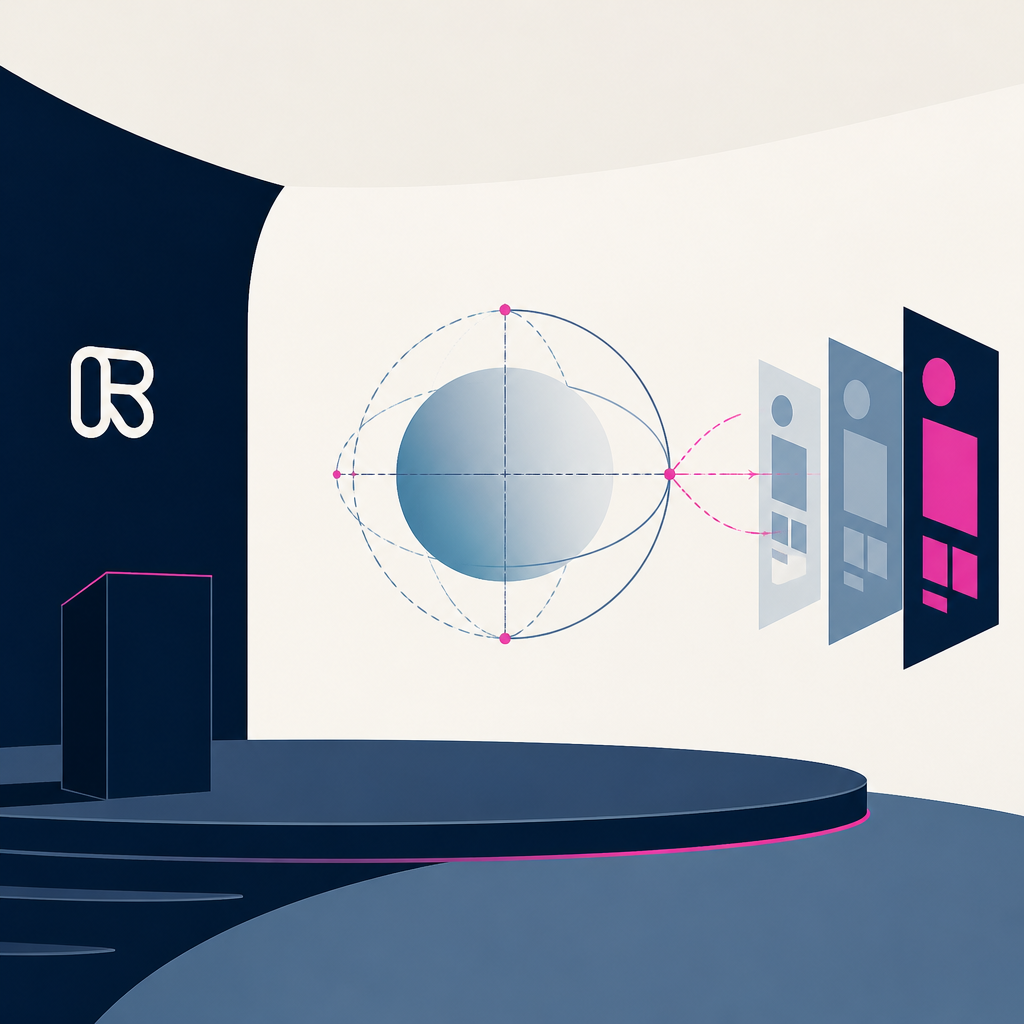
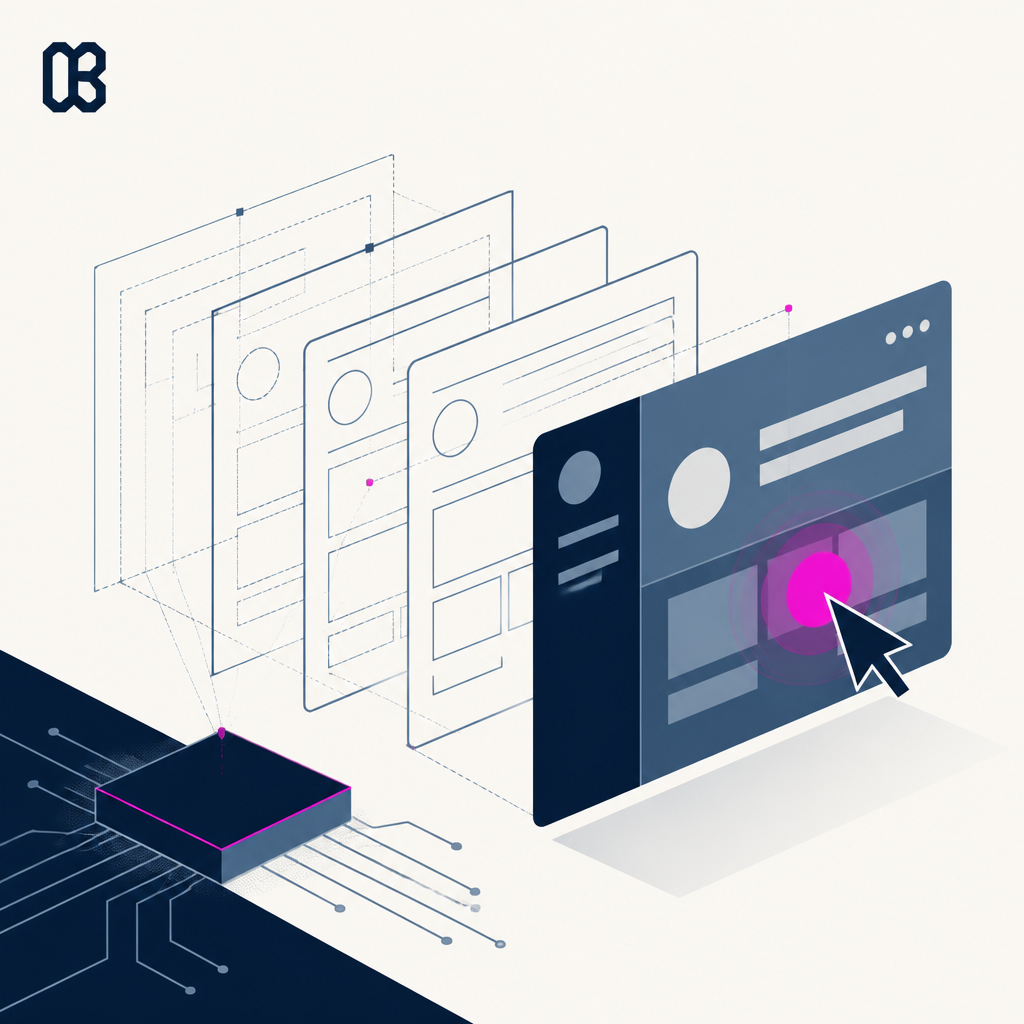
Runway has launched Solaris, its first Interface World Model, built on Gen-4.5. Instead of writing code first and then rendering a page, Solaris predicts the next screen after each click or drag and generates the interface itself, frame by frame, as you interact with it.
That is a pretty sharp turn from the usual AI coding pitch. Most tools produce code, and the browser does the rest. Solaris tries to skip that middle step and treat the UI like a video stream that keeps updating in response to what a user does.
Runway says a group of 250 evaluators preferred Solaris over Claude Opus 5-coded UIs in 61% of instruction-following comparisons and 71% of natural-behavior comparisons. Early access is request-only for now.
The idea is elegant, and a little unsettling. If the model is responsible for what appears next, developers may not need to prebuild every button, menu, or screen state. But that also shifts the burden onto the system to keep each button behaving like the same button five clicks later. Accessibility, security, saved state, and recovery all have to survive the magic trick.
Ben South has argued that future software interfaces could be continuously generated, with a model redrawing the interface on demand instead of assembling fixed pieces. Solaris is probably the clearest demo of that idea so far. The real test is not whether it looks clever in a demo. It’s whether it can stay consistent when the work gets boring.
My take — AI-written commentary, not fact-checked reporting
This is exactly the kind of AI demo people should be suspicious of in the healthy way. If the interface is being invented on the fly, then reliability stops being a feature and becomes the whole product. The industry keeps falling in love with fluid, model-made everything; users usually just want the same button to mean the same thing tomorrow.
Read more about this at: The Neuron