Robust adversarial inputs
OpenAI
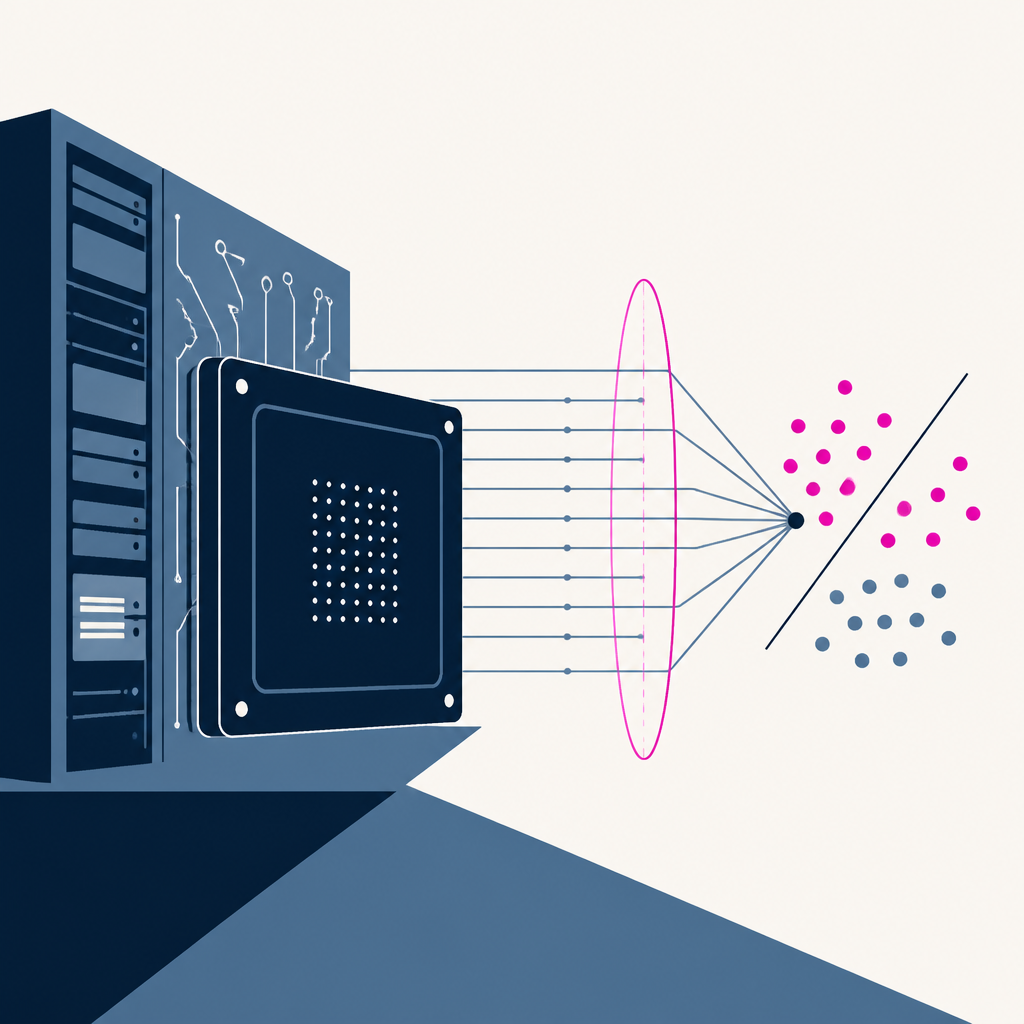
OpenAI made images that fool AI vision systems no matter the angle, distance, or zoom. That kills the idea that self-driving cars are safe from tricksters just because they see from multiple viewpoints.
Based on reporting by OpenAI — read the original for the full story.
Summary, retelling and take written by AI under human oversight; images are AI-generated illustrations. How we work · Report an error
A week ago, someone argued that self-driving cars would be tough to sabotage with adversarial images because their cameras catch scenes from so many angles, distances, and lighting conditions. The theory: an attacker would need a nearly impossible sticker or sign that fools the car's vision system from every conceivable viewpoint at once. OpenAI just showed that theory doesn't hold up.
The team built adversarial examples that stay effective across a wide range of scales and perspectives, the exact conditions that were supposed to make this kind of attack impractical. Instead of crafting a single image tuned to trick a classifier from one fixed angle, they generated inputs robust enough to consistently mislead neural networks even as the viewing distance and orientation shift around. That's a meaningfully harder engineering problem than the standard adversarial-example demo, and it's the reason this result matters more than a typical lab curiosity.
The implications reach past academic benchmarks. If a patterned sticker or altered road sign can reliably confuse a vision model no matter how a camera happens to be positioned, then the multi-angle defense argument collapses. Systems relying on classifiers to read street signs, spot pedestrians, or interpret lane markings can't assume that natural variation in camera angle offers built-in protection.
None of this means self-driving cars are doomed or that today's models are trivially hacked on public roads. But it does mean the safety argument needs to be rebuilt on sturdier ground than
Read more about this at: OpenAI