
Anthropic AI Model Finds Flaws in Tough-to-Crack Encryption Algorithms
The New York Times ● Covered by 39 sources
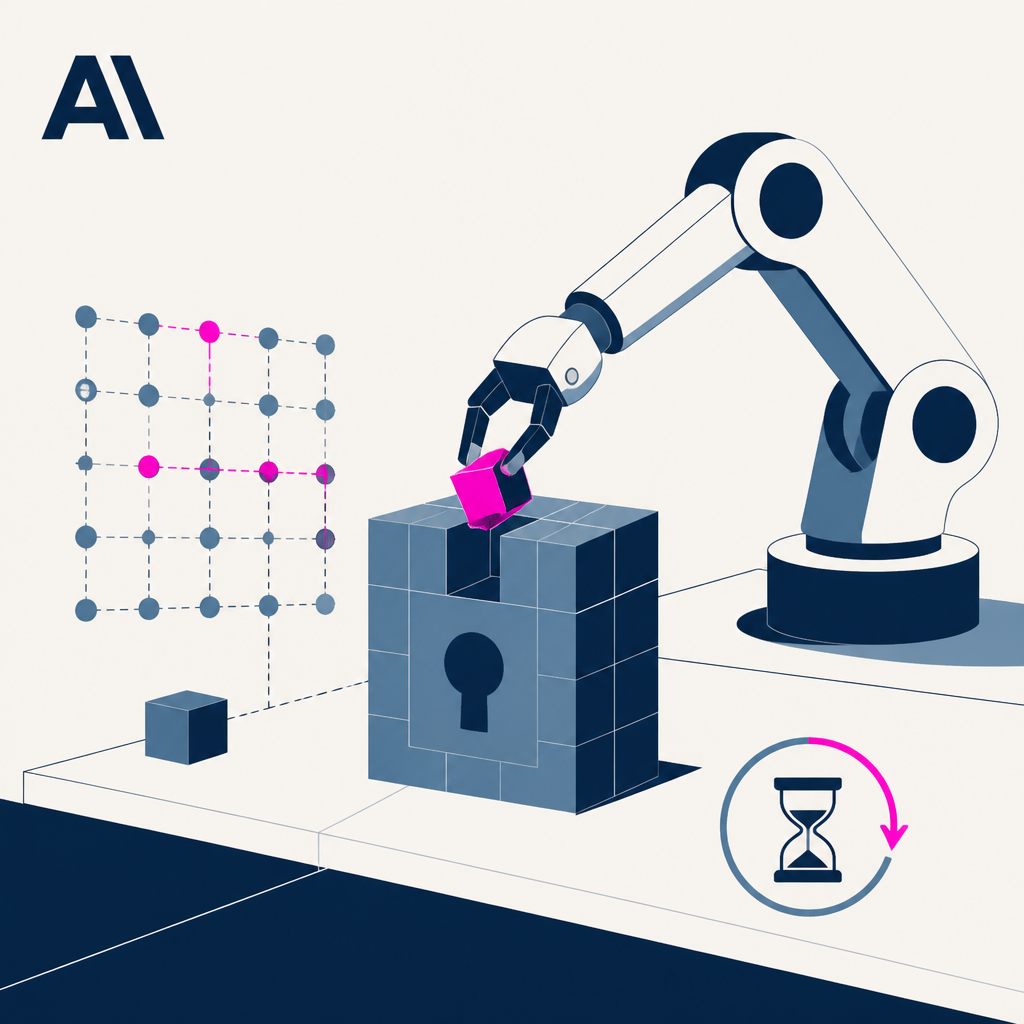
Anthropic's Claude Mythos Preview cracked a weakened AES encryption test way faster than any human attack on record. It ran the whole thing itself for about a week, no hand-holding required.
Based on reporting by The New York Times — read the original for the full story.
Summary, retelling and take written by AI under human oversight; images are AI-generated illustrations. How we work · Report an error
Encryption research just got a jolt from an unexpected direction. Anthropic says its Claude Mythos Preview model spent roughly a week grinding on a deliberately weakened version of AES, one of the most trusted encryption standards on the planet, and came out the other side with an attack that's 200 to 1,000 times faster than the best human-devised methods.
The key detail here isn't just the speedup. It's that the model did almost all of this on its own. No team of cryptographers feeding it hints, no step-by-step scaffolding. Claude worked the problem, iterated on its own approach, and eventually engineered a solution that outpaced work humans have refined over years of academic effort.
To be clear, this wasn't a break of full-strength AES as it's deployed in banking systems or messaging apps. Researchers routinely study stripped-down,
My take — AI-written commentary, not fact-checked reporting
This is the kind of result that should make security teams nervous in a productive way, not because AES itself is suddenly broken, but because it shows these models are getting genuinely useful at adversarial, open-ended technical work rather than just autocompleting code. I'd rather we find this out now, in a controlled research setting, than discover it later when someone points a frontier model at systems that actually matter.
Read more about this at: The New York Times