
Physical AI is more than robots, says the Nvidia veteran now investing in it
TechCrunch Theresa Loconsolo, Dominic-Madori Davis ● Covered by 2 sources
A former Nvidia robotics exec says the field is still being built from parts. She’s betting on physical AI beyond robots: materials, drugs, and factory machines.
Based on reporting by TechCrunch, Theresa Loconsolo, Dominic-Madori Davis — read the original for the full story.
Summary, retelling and take written by AI under human oversight; images are AI-generated illustrations. How we work · Report an error
Amulya Vishwanath spent seven years leading product marketing for Nvidia’s robotics platforms, and she doesn’t think the field is ready for its grand breakthrough moment yet. Her view is a lot less glamorous than the usual robot hype. Robotics, she says, is still in its “Lego era,” with core pieces like actuators, robotic hands, software, and safety standards still being rebuilt.
That puts her on the other side of a common bet in AI circles: that robotics is about to get its own ChatGPT-style jump thanks to a single general foundation model. Vishwanath is not buying that framing. On TechCrunch’s Equity podcast, she argued that the work is still too early and too fragmented for one model to wipe away the need for specialized systems.
Now the founder and managing partner of Techable VC, Vishwanath is putting early checks into what she calls physical AI. And for her, that term is broader than robots. It can be “a molecule, a material, a medicine,” or a machine on a factory line. That’s the scope she wants to fund: software and systems that touch the physical world, not just humanoids on a demo stage.
Her pitch for the best opportunities is practical, even blunt. She points to family-run factories that can’t find workers and surgeons facing burnout as the kind of problems worth solving. She also says the network she built at Nvidia now helps her do due diligence and make customer introductions, which is a tidy reminder that in early-stage investing, access is often the product.
Vishwanath also talked about where the U.S. and China each have the edge, and she thinks humanoids should be useful for more than dancing. That last part may sound obvious, but in robotics right now, obvious is doing a lot of work.
My take — AI-written commentary, not fact-checked reporting
This is the useful kind of AI thesis: less marching-band demo, more boring industrial pain. The industry loves to pretend every robot is one model away from enlightenment, but hardware still has to touch dirt, metal, and human mess. That’s why the Lego-era framing lands: it’s not anti-hype, just allergic to nonsense.
Read more about this at: TechCrunch
Related stories
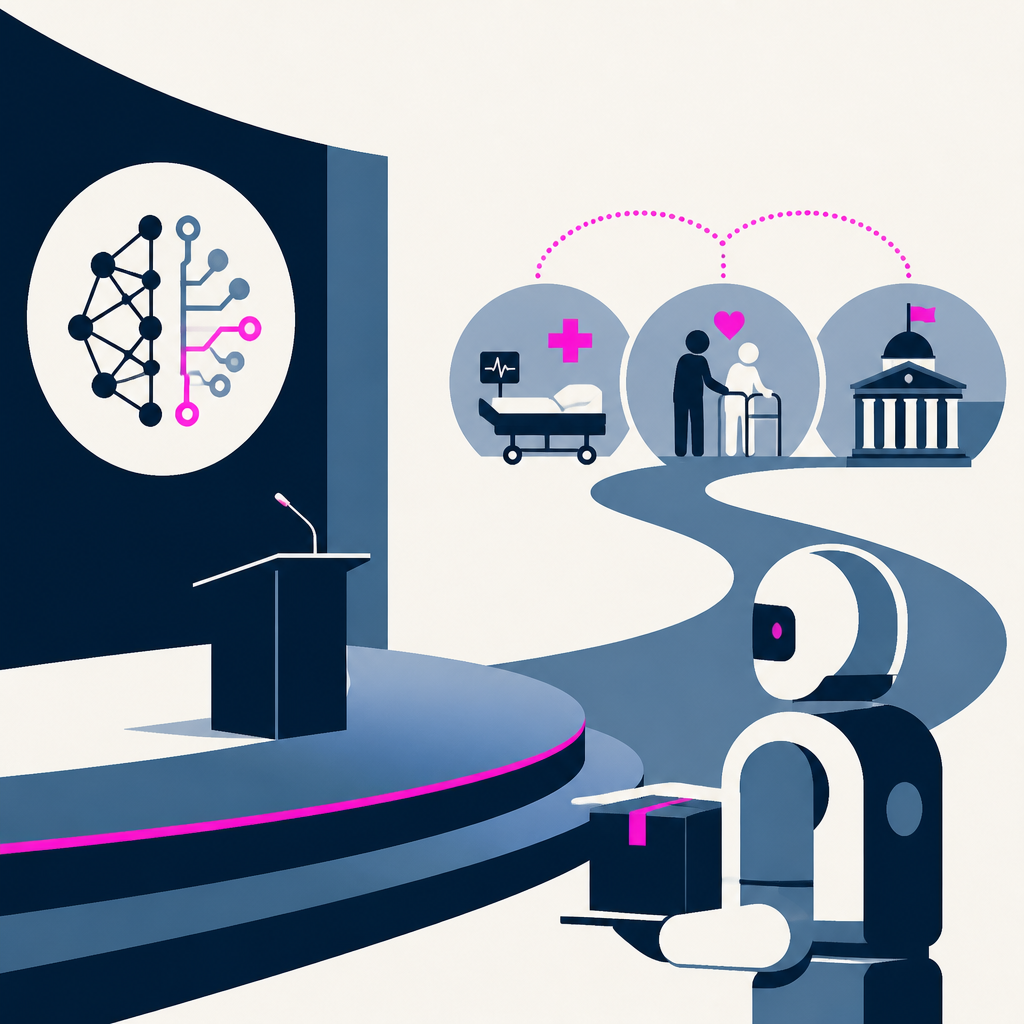 The next wave of AI startups will live in the physical world
Startups Magazine ·
15
The next wave of AI startups will live in the physical world
Startups Magazine ·
15
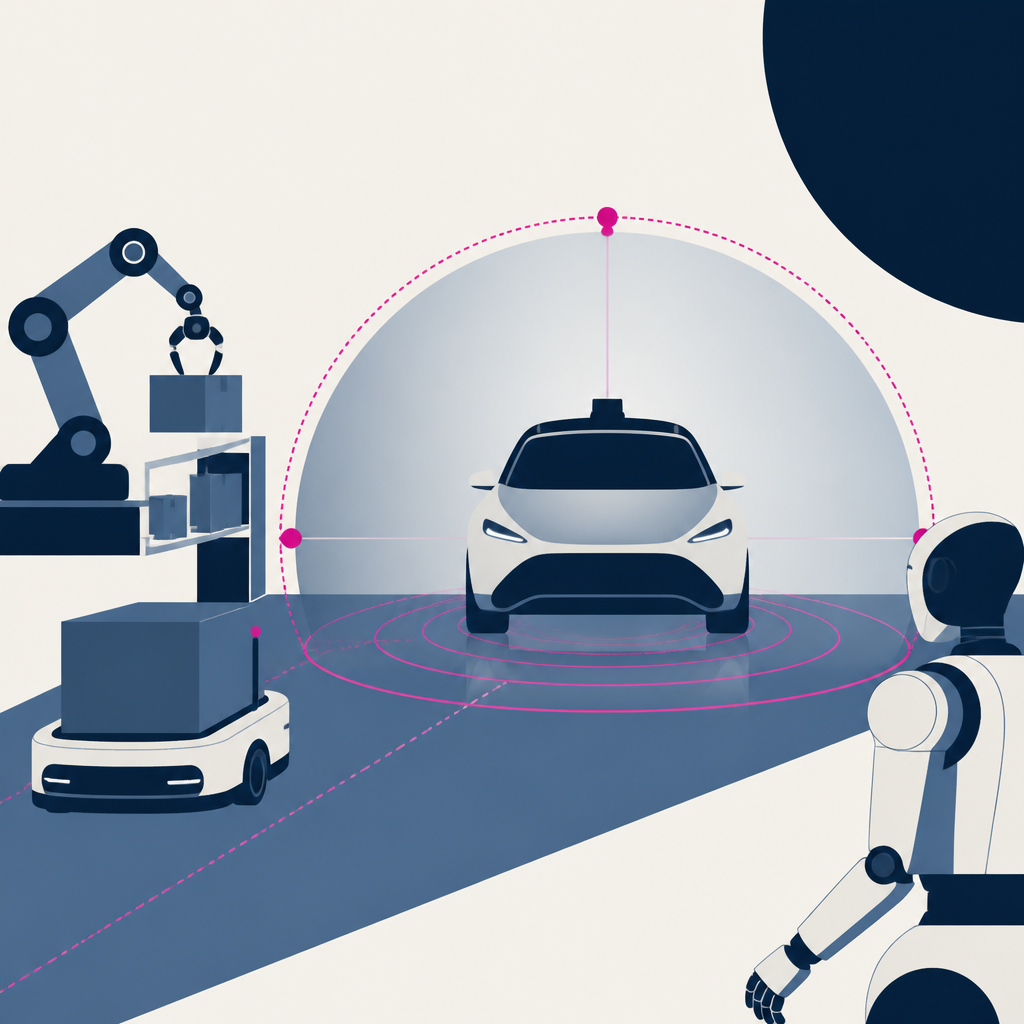 Nvidia's big bet on physical AI aims for safer robotaxis, humanoid robots
Ars Technica · 1 week ago ·
10
Nvidia's big bet on physical AI aims for safer robotaxis, humanoid robots
Ars Technica · 1 week ago ·
10