Operation “Sponsored Discontent”: Influence activity
OpenAI ● Covered by 4 sources

OpenAI shut down a China-linked network using its models to churn out fake social posts and Spanish news stories. AI is now a standard tool in influence campaigns, not just a novelty.
Based on reporting by OpenAI — read the original for the full story.
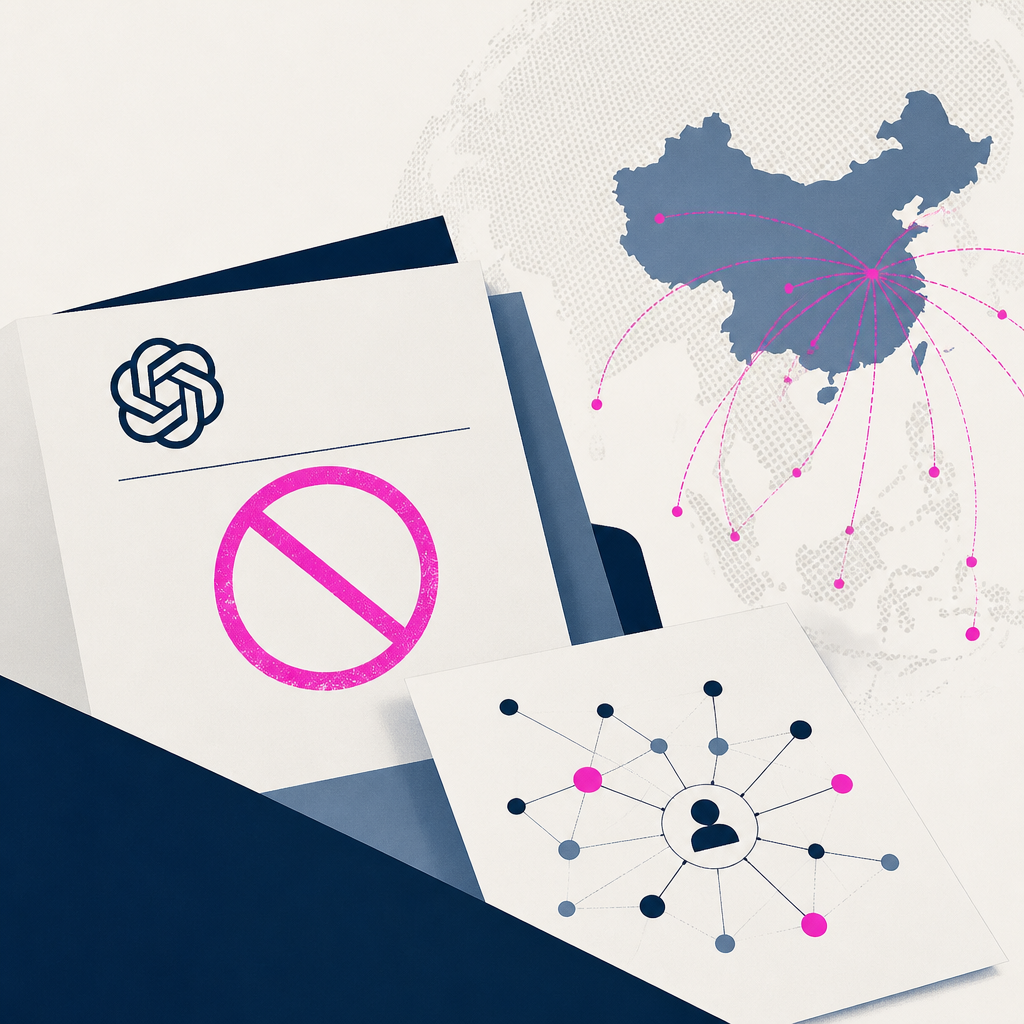
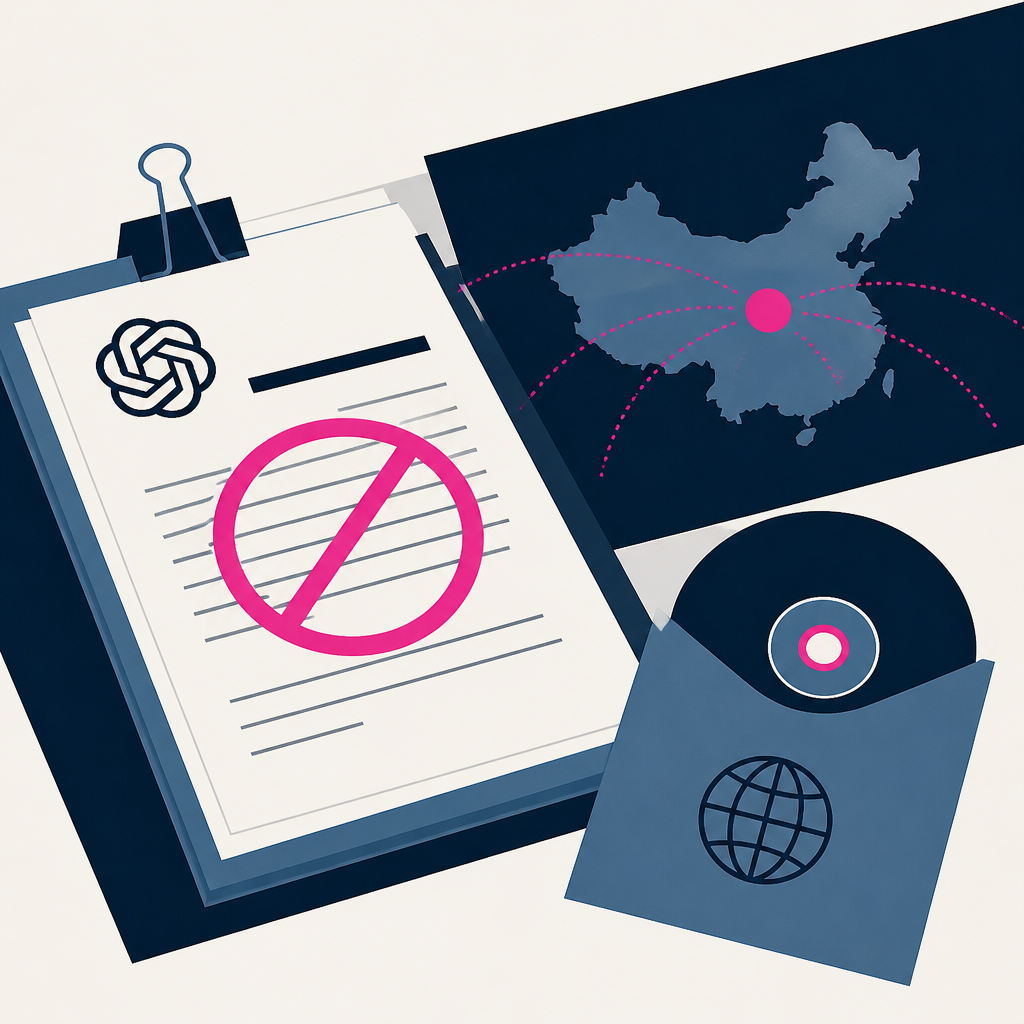
Summary, retelling and take written by AI under human oversight; images are AI-generated illustrations. How we work · Report an error
OpenAI's latest threat report reads less like a security bulletin and more like a spy novel with bad grammar. The company says it banned a cluster of accounts, likely operating out of China, that had been using its models to mass-produce English-language social media posts and Spanish-language news articles as part of a campaign it's calling Operation Sponsored Discontent.
The mechanics are unglamorous but effective. Generate a batch of posts that sound like ordinary people griping about something, sprinkle in some polished-looking news articles in Spanish, and push them out across platforms to make a narrative look bigger and more organic than it actually is. No exotic hacking, no zero-days — just volume, language fluency, and a model that doesn't get tired.
What's notable is the cross-language piece. Building convincing propaganda in a second or third language used to require actual native speakers, or at least someone who wasn't going to embarrass themselves with awkward phrasing. Large language models erase that barrier almost completely. A campaign that once needed a small team of translators and writers can now be run by a handful of people feeding prompts into a chatbot.
OpenAI has been fairly consistent about publishing these takedowns rather than sitting on them, framing it as part of keeping its tools from becoming default infrastructure for state-linked influence work. Whether that transparency actually deters the next operation, or just teaches the next operation what tripped the wire, is the harder question the report doesn't really answer.
Still, the pattern is becoming familiar: model gets released, someone tries to weaponize it for propaganda at scale, company catches some of it, bans accounts, writes a blog post. Sponsored Discontent is just the latest name in what's shaping up to be a recurring genre.
My take — AI-written commentary, not fact-checked reporting
I run a small AI news site and I'll say the quiet part: catching this stuff after the fact is a band-aid, not a fix, because the economics favor the attacker every time — cheap to generate, expensive to detect. What actually worries me is that we're relying on the model makers to police their own product's abuse, which is a bit like asking a printer company to catch every counterfeit bill. Fine as a stopgap, useless as a strategy.
Read more about this at: OpenAI