
NVIDIA Agent Toolkit Expands, Grounding Enterprise Agents in Company Data
NVIDIA Blog Erik Pounds ● Covered by 6 sources
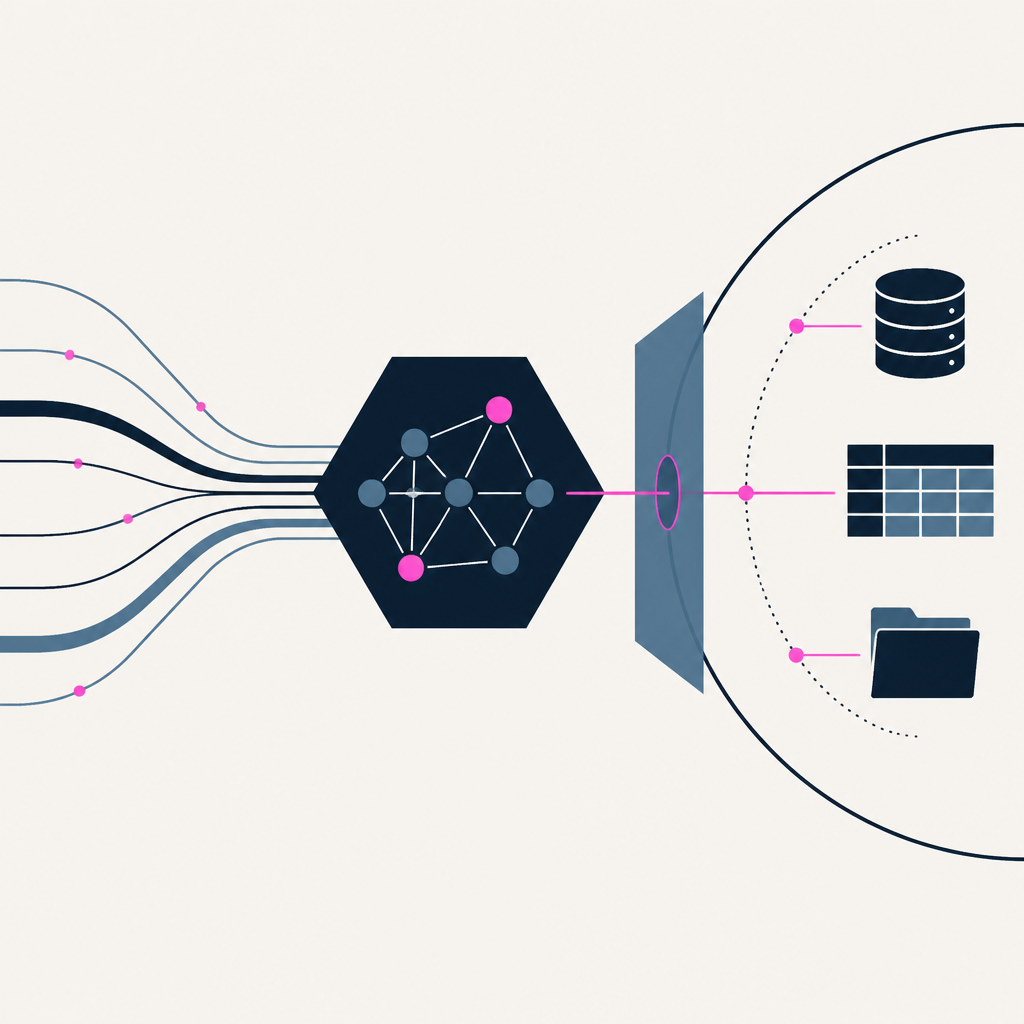
NVIDIA expanded its Agent Toolkit with new tools for enterprise AI agents. The pitch is control: use company data, keep governance, and make agents more useful.
Based on reporting by NVIDIA Blog, Erik Pounds — read the original for the full story.
Summary, retelling and take written by AI under human oversight; images are AI-generated illustrations. How we work · Report an error
NVIDIA has expanded its open source Agent Toolkit for enterprises that want AI agents to do more than chat. The company’s pitch is blunt: agents are only useful if they know enough, and only trustworthy if they stay inside tight boundaries.
The toolkit now pulls together several pieces under one roof. There’s the new Agent Knowledge Foundation, NVIDIA’s CUDA-X libraries, open models such as Nemotron Retriever and the new Kumo family, the OpenShell secure runtime, NemoClaw secure agent blueprints, and tools like NeMo Relay and NeMo Compass.
The real bet is that enterprise agents need company context, not just model intelligence. Agent Knowledge Foundation is meant to help businesses turn their own data into something agents can use to find relevant information, understand what it means, and make predictions. NVIDIA says companies can use it without moving data, rebuilding existing workflows, or changing governance controls. It also includes the new Auto-Ontology library, which maps raw data into business concepts like customers, products and orders.
And NVIDIA is already pointing to customers and partners using it. Palantir is using the foundation through Foundry, Ontology and AIP in NVIDIA’s supply chain organization to create specialized agents and predict outcomes. Databricks is pairing NVIDIA Kumo Anomaly with Databricks Genie Ontology. Snowflake is enabling Kumo Engine and Kumo Relational in Notebook environments. OpenSearch Service, SAP, ServiceNow and Zoom are all cited too, with NVIDIA saying the retriever models improved search relevance, reranking speed and context retrieval in those setups.
The subtext here is that NVIDIA is trying to own more of the enterprise agent stack, from the data layer to the runtime boundary. OpenShell is there for control, NemoClaw for secure blueprints, and a new optimization blueprint for making agents better over time. That’s a very NVIDIA move: not just sell the model, sell the plumbing, the guardrails and the excuse to keep buying more of the ecosystem.
My take — AI-written commentary, not fact-checked reporting
This is the grown-up version of agent hype, which means it’s also the boringly sensible one. The industry keeps pretending agents are magic; NVIDIA is saying they’re enterprise software, with data, permissions and a lot of babysitting. That’s not sexy, but it’s closer to reality than another demo that forgets who’s allowed to see what.
Read more about this at: NVIDIA Blog