
Musk’s faster path to more gas turbines comes with pollution problem
TechCrunch Connie Loizos
Musk says SpaceX is making a key turbine part in-house to speed up gas power for AI data centers. It could shave 18 months off turbine builds, and it also means more pollution is coming with the power.
Based on reporting by TechCrunch, Connie Loizos — read the original for the full story.
Summary, retelling and take written by AI under human oversight; images are AI-generated illustrations. How we work · Report an error
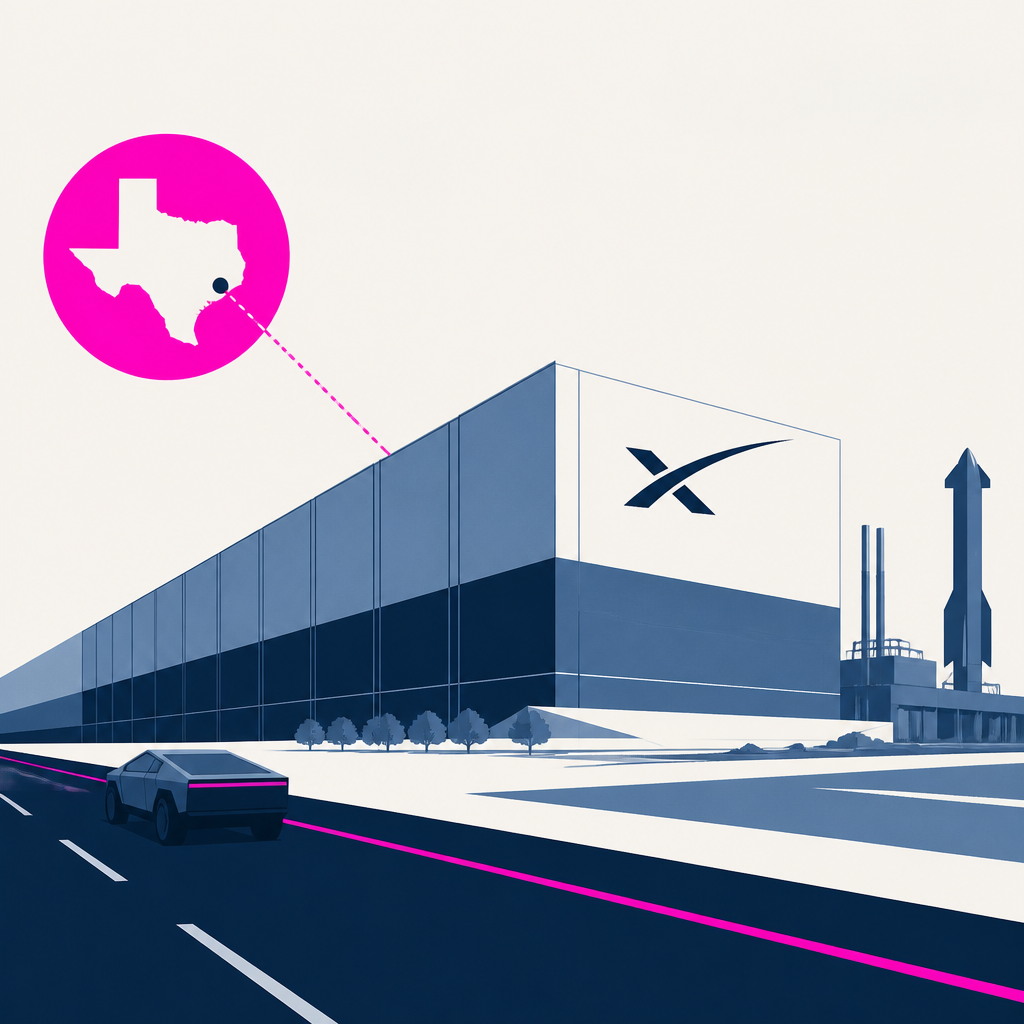
Elon Musk says SpaceX has found a way around one of AI’s uglier bottlenecks: the hard part of making gas turbines. On Saturday, he confirmed that a secret foundry the company has been building in Bastrop, Texas, is meant to cast the blades and vanes that keep turbine production moving. The confirmation landed just after reporting from The Information and from Corey Trinetti, who tracks AI infrastructure sites, had started to pin down what SpaceX was doing there.
Musk’s pitch is simple. SpaceX and Tesla are building solar production capacity as fast as they can, he wrote on X, but natural gas will still be needed for years to backstop solar and get it started. The problem, he said, is the casting bottleneck for turbine blades and vanes. If SpaceX can do the casting itself, he claims, it could bring gas turbines online up to 18 months faster.
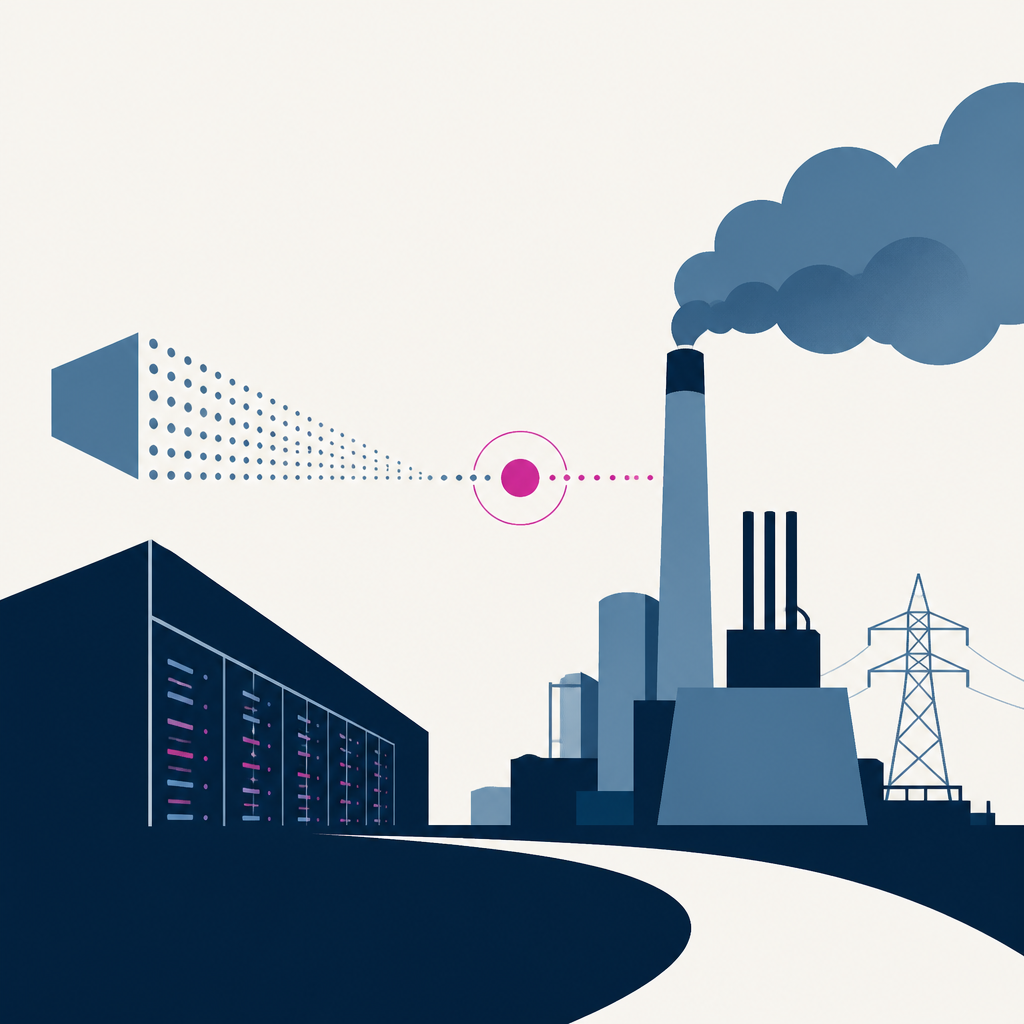
That matters because AI is running into power problems, not just chip shortages. Nvidia’s newest Blackwell chips still have lead times measured in months, but the grid is now the bigger choke point. The International Energy Agency says global data center electricity use will roughly double by 2030, and GE Vernova says it is essentially sold out through 2030, largely because of AI infrastructure demand. So hyperscalers have been moving fast to private gas plants beside data centers instead of waiting for the grid.
The casting itself is brutally hard. The blades in the hottest part of a gas turbine run at temperatures around 3,000 to 3,600 degrees Fahrenheit, roughly 800 degrees above the melting point of the metal alloy they’re made from. They rely on internal cooling channels, thermal-barrier coatings, and a very specific casting process. Only four companies worldwide have mastered it at industrial scale, and all four are said to be tapped out.
If SpaceX actually cracks this, it would give Musk control over a manufacturing step that the rest of the AI infrastructure world depends on a tiny oligopoly to provide. But the benefit comes with a familiar catch: more turbines, faster, means more emissions. In Memphis, where SpaceXAI has been running gas turbines for its Colossus data centers since 2024, the NAACP says the company has operated without the permits or pollution controls required by federal law. The group points to smog-forming pollution and hazardous chemicals such as formaldehyde, while University of Memphis researchers said air pollution there grew “slightly worse” in their limited analysis.
And Memphis is just one fight. In Virginia’s Data Center Alley, a study commissioned by the Piedmont Environmental Council estimated that emissions from one facility’s eight full-time gas turbines could affect more than 2.5 million people, with a heavier burden on already-marginalized communities, and could cause 3.4 to 6.5 additional premature deaths a year. The AI buildout wants speed. The air gets the bill.
My take — AI-written commentary, not fact-checked reporting
This is the classic Silicon Valley move: treat a pollution problem as a supply-chain problem and call it innovation. Musk may be right that turbine casting is a bottleneck, but speeding up a dirty backup fuel doesn’t turn it into clean infrastructure. It just makes the mess arrive sooner, with better branding.
Read more about this at: TechCrunch
Related stories
 Amazon backs power plant that may become top source of US climate pollution
Ars Technica · 2 months ago ·
38
Amazon backs power plant that may become top source of US climate pollution
Ars Technica · 2 months ago ·
38
 Everything’s bigger in Texas: Musk’s planned $16.8 billion chip factory is five times bigger than the world’s current largest building
Fortune ·
50
Everything’s bigger in Texas: Musk’s planned $16.8 billion chip factory is five times bigger than the world’s current largest building
Fortune ·
50