
Little-known AI startup Micro1 tries to trump Google's bid for banrkupt Spirit Airlines’ data
Fortune Wen Shao
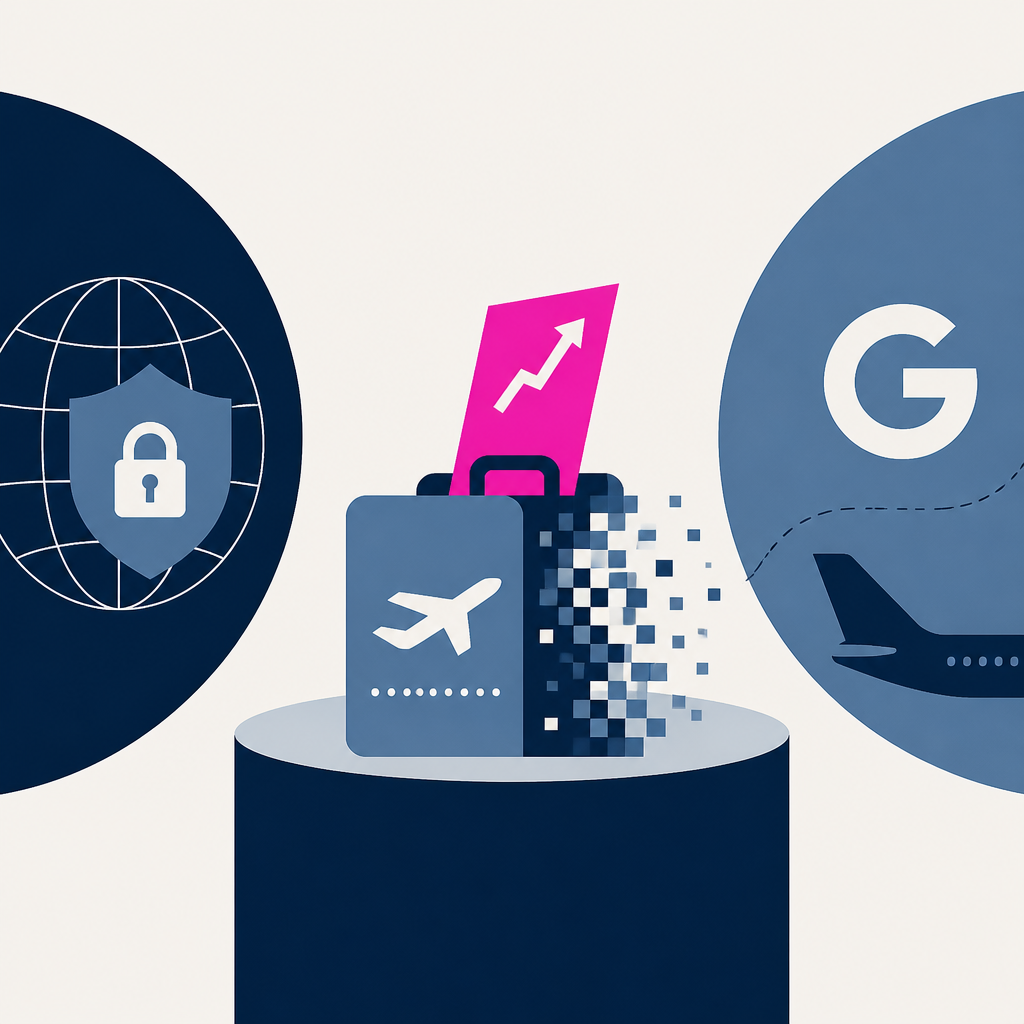
Micro1 wants to buy Spirit Airlines’ data instead of Google. The surprise is a tiny AI startup is now offering more privacy promises and a 25% price bump.
Based on reporting by Fortune, Wen Shao — read the original for the full story.
Summary, retelling and take written by AI under human oversight; images are AI-generated illustrations. How we work · Report an error
A fight over Spirit Airlines’ bankruptcy data has turned into a three-way mess: Google wants it, Micro1 wants it more, and a court-appointed privacy watchdog wants more time. The sale has already drawn objections from flight attendants’ unions and consumer privacy advocates, who say the archive may contain sensitive personal information that isn’t fully scrubbed yet.
Consumer privacy ombudsman Lucy Thomson told the bankruptcy court on the night of Sept. 8 that Google had agreed to narrow some of the personal data in the deal as the sides work out safeguards for passenger information buried in Spirit’s systems. Google’s lawyers said the de-identified material would be used to train AI models. No sale has court approval yet, and a hearing is set for Sept. 16.
Micro1 is the odd one out here. It began by helping companies hire engineers, then moved into AI interviewing, technical-worker marketplaces, human-generated training data, model evaluation and simulated environments for AI agents. Founder Ali Ansari started the company in 2022 while studying computer science and math at UC Berkeley. In a LinkedIn post about the Spirit bid, he framed AI’s future around “the messiness of the real world” and the people working inside it.
Now the startup is pitching itself as a buyer that can organize and de-identify corporate records for model training. Its filing says it completed more than 50 data transactions in the 45 days before the Spirit bid, though it didn’t name the sellers or customers. It also offered to pay cash on hand, cover de-identification and independent review, exclude sensitive employment material, store records in the U.S., destroy raw employment records after processing and let an independent reviewer inspect a 1% sample before any onward transfer.
The price fight is only part of the story. Spirit’s archive is huge: about 100 million emails, 500 million Microsoft Teams items, plus code and operational records. And that is exactly the kind of material AI firms want now that public text is getting used up faster than they’d like. If the companies can’t keep feeding models fresh records from how work actually gets done, the “data” gold rush starts looking a lot less magical.
My take — AI-written commentary, not fact-checked reporting
This is the modern AI trade in one ugly scene: the most valuable asset is often someone else’s inbox. Micro1’s hustle is clever, but the bigger signal is that these deals keep pushing past the comfort zone of employees, customers and anyone who thought “de-identified” was a magic spell. It isn’t; it’s just the new word for a fight.
Read more about this at: Fortune
Related stories
 ‘Adding insult to injury’: Flight attendants accuse Google of creepy deal to access ‘confidential’ data for AI in Spirit Airlines transaction
Fortune ·
37
‘Adding insult to injury’: Flight attendants accuse Google of creepy deal to access ‘confidential’ data for AI in Spirit Airlines transaction
Fortune ·
37