
Liquid AI Releases LFM2.5-DSpark Draft Models That Deliver Up to 3.18x Faster Decoding Without Changing Model Outputs
MarkTechPost Asif Razzaq ● Covered by 2 sources
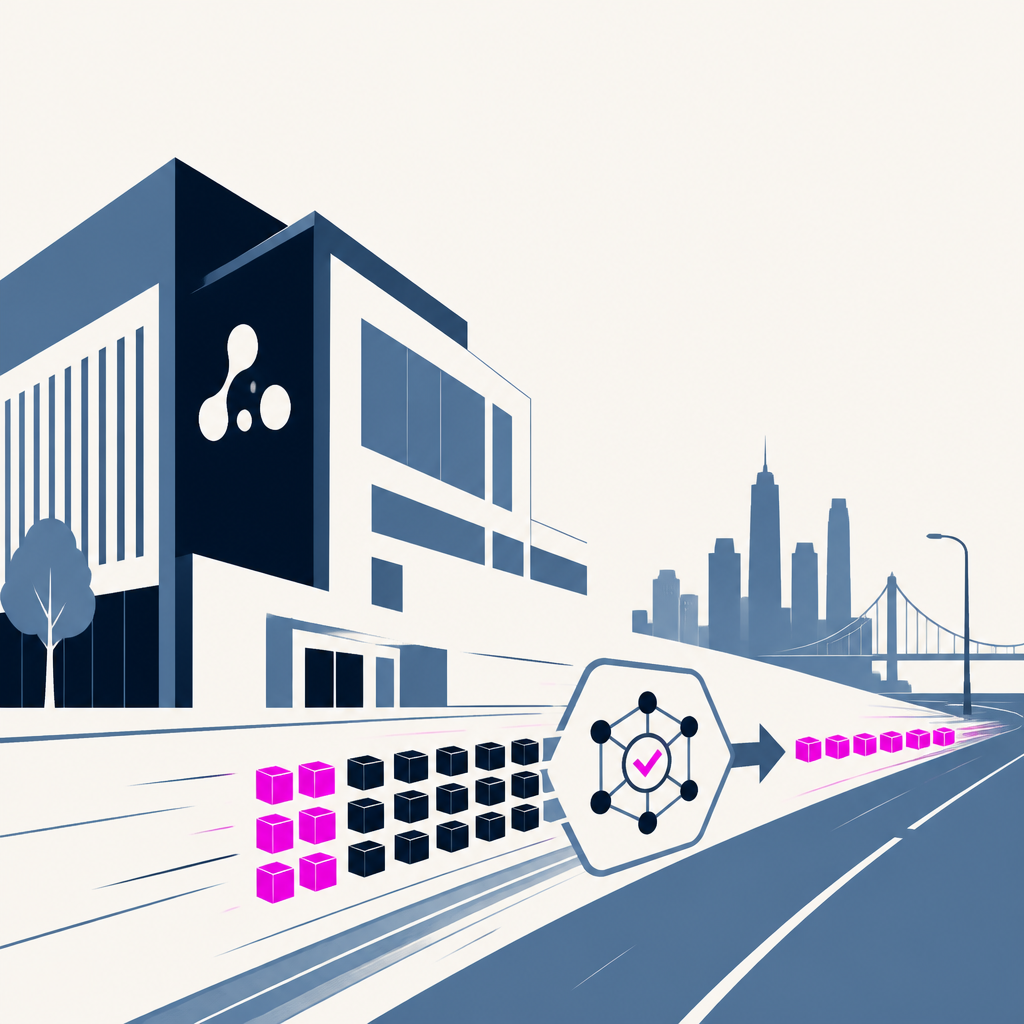
Liquid AI added draft models that make its LFM2.5 family decode up to 3.18x faster. The outputs stay the same, but the speedup drops when the text gets less predictable.
Based on reporting by MarkTechPost, Asif Razzaq — read the original for the full story.
Summary, retelling and take written by AI under human oversight; images are AI-generated illustrations. How we work · Report an error
Liquid AI has shipped DSpark draft checkpoints for three members of its LFM2.5 family: LFM2.5-1.2B-Instruct, LFM2.5-2.6B, and LFM2.5-8B-A1B. The pitch is simple enough. Add a small drafter, let it guess a block of tokens, and have the bigger target model verify that whole block in one pass.
The drafter itself is about 300M parameters. Liquid AI says that buys a meaningful jump in decode speed with only a small memory hit, while leaving the emitted text unchanged under greedy decoding. In other words, the benchmark score doesn't move just because the path to the answer got shorter.
The best numbers show up on an H100, where Liquid AI reports up to 3.18x faster decoding. On an M4 Max MacBook Pro, the top gain is 2.87x. But the same setup can fall far short of that peak depending on the workload, because the whole system lives and dies by acceptance rate — how many draft tokens the target model is willing to keep.
That shows up clearly in the company's own results. LFM2.5-8B-A1B accepts 8.27 out of 10 tokens on MATH500, but only 4.02 on GSM8K. The reported speedup swings with that change, from 3.18x down to 1.29x on the same GPU. The 1.2B model also weakens on MT-Bench, where acceptance falls to 3.90 and the H100 gain drops to 1.66x.
Liquid AI says llama.cpp and SGLang both support the release on day one. The weights come as Safetensors and GGUF, and the drafter checkpoints are not being served by any hosted inference provider on Hugging Face right now. So if someone wants this, self-hosting is the path.
The most interesting case is probably agents. Liquid AI says DSpark cuts latency by 57% on average for LFM2.5-2.6B across multi-tool function-calling scenarios. That is exactly where people feel decoding tax the most: plan, call a tool, re-plan, repeat. The shiny headline is speed, but the real story is that speculative decoding is becoming practical enough to matter in workflows, not just benchmarks.
My take — AI-written commentary, not fact-checked reporting
This is the right kind of optimization: boring, local, and immediately useful. The industry loves announcing new models; it should spend more time making the ones already on disk stop wasting tokens. The catch is the usual one — once you leave clean math problems and enter messy workloads, the gains wobble fast, which is a nice reminder that hardware demos are not a personality trait.
Read more about this at: MarkTechPost
Related stories
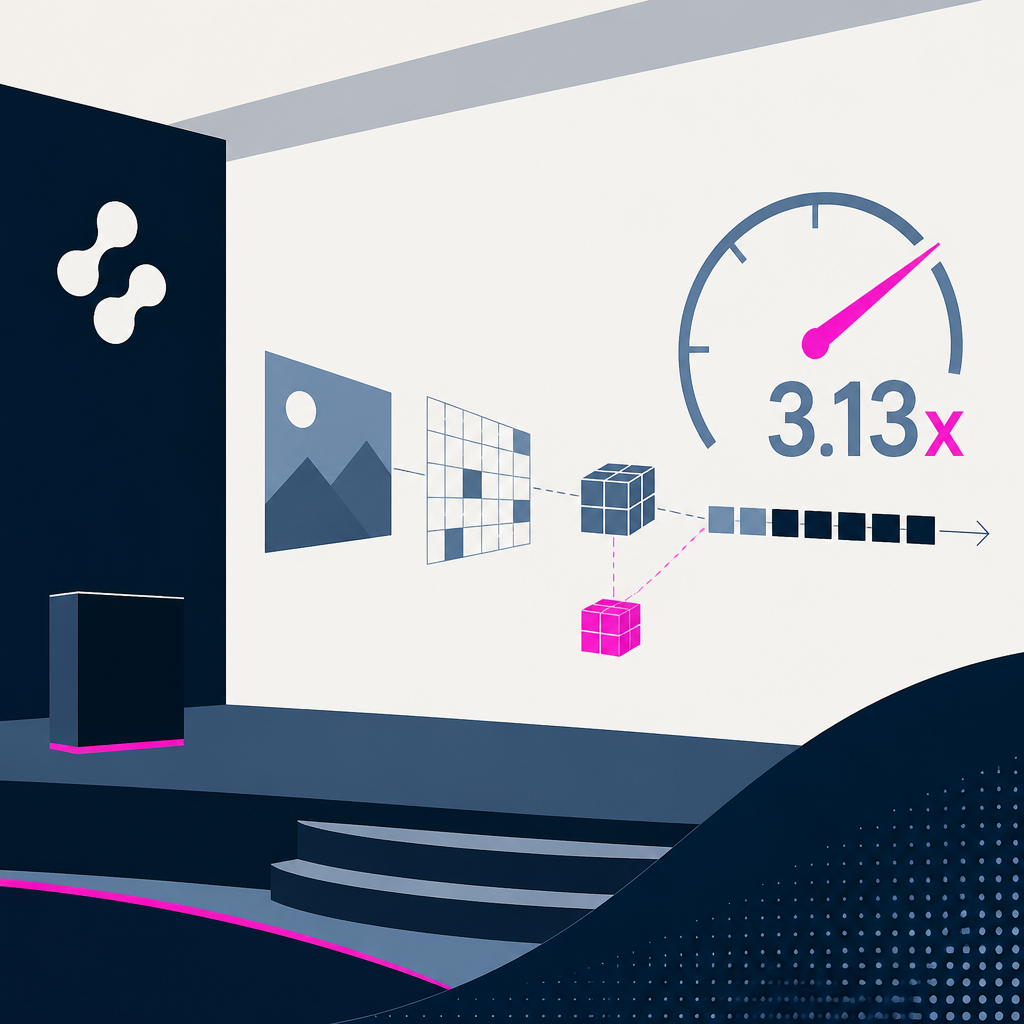 Liquid AI Releases LFM2.5-VL-3B-DSpark: Speculative Decoding for Vision-Language Models With Up to 3.13x Faster Decoding
MarkTechPost · 3 weeks ago ·
41
Accelerating vision-language models with LFM2.5-VL-DSpark
Hugging Face · 3 weeks ago ·
49
Liquid AI Releases LFM2.5-VL-3B-DSpark: Speculative Decoding for Vision-Language Models With Up to 3.13x Faster Decoding
MarkTechPost · 3 weeks ago ·
41
Accelerating vision-language models with LFM2.5-VL-DSpark
Hugging Face · 3 weeks ago ·
49
 Liquid AI Releases LFM2.5-2.6B: An On-Device Agentic Model With 128K Context, Tool Calling, And Open Weights
MarkTechPost · 2 months ago ·
50
Liquid AI Releases LFM2.5-2.6B: An On-Device Agentic Model With 128K Context, Tool Calling, And Open Weights
MarkTechPost · 2 months ago ·
50