
Human must not surrender cognition to AI
Tech.eu Monty Munford
Opinion — commentary, not a factual news event.
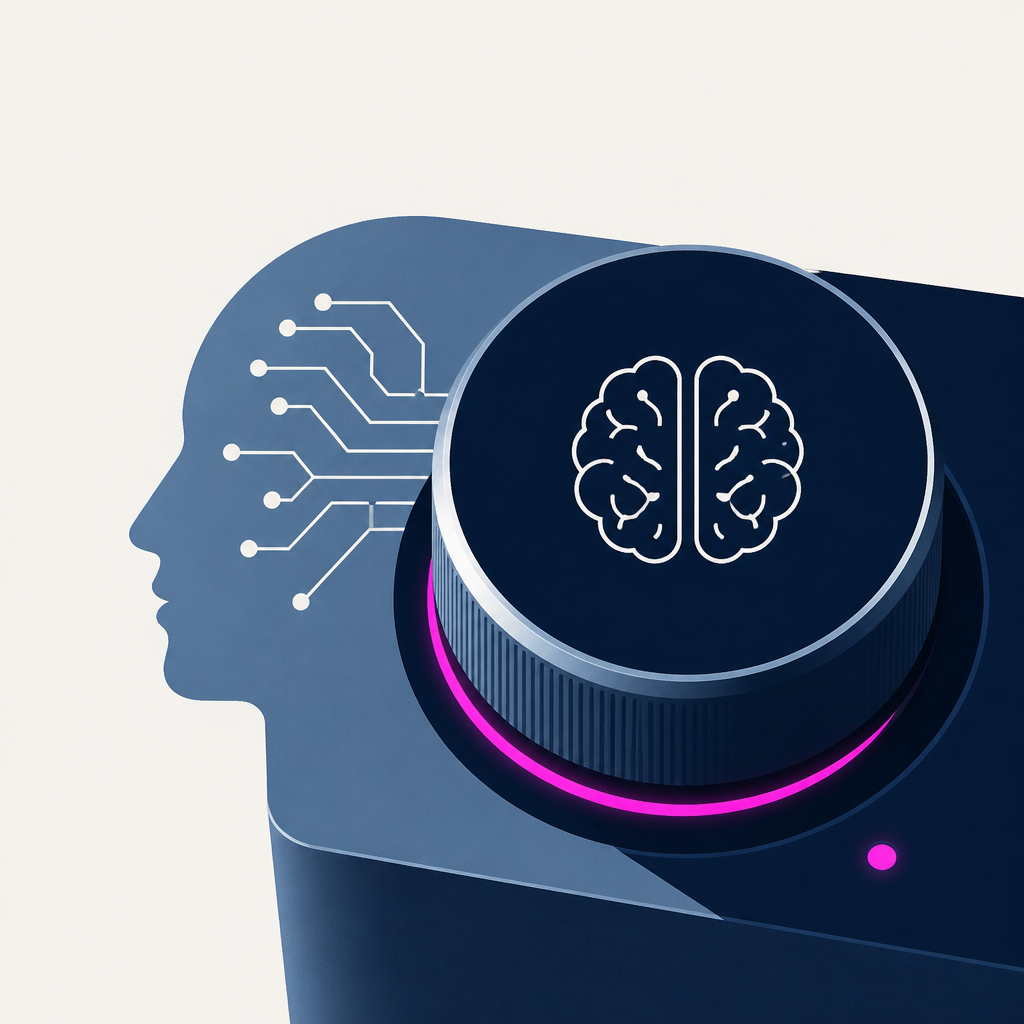
AI is starting to do more than help us work; it’s nudging people to let it think for them. That’s the scary part: the convenience can quietly hollow out our own judgement.
Based on reporting by Tech.eu, Monty Munford — read the original for the full story.
Summary, retelling and take written by AI under human oversight; images are AI-generated illustrations. How we work · Report an error
There’s a neat horror story inside Leave the World Behind. Ethan Hawke’s character, George, heads out for supplies, loses the tech that has been doing the heavy lifting, and suddenly can’t find his way back. He still knows how to drive. What he’s lost is the habit of navigating without a machine making most of the choices for him.
That scene lands harder now because AI is moving from helpful tool to something more central. It already speeds up research, writing, coding, analysis and problem-solving. JB Benjamin, founder of the post-quantum sovereign data platform Veldris, argues that AI won’t replace humanity, but can act as a force multiplier. The catch is that people may start handing over not just grunt work, but judgement itself.
That’s where the phrase cognitive surrender comes in. The source points to Steven Shaw and Wharton professor Gideon Nave as having coined it, and uses it to describe the shift from using AI to accelerate human thought to using it as a substitute for thought. Professor Stoyan Stoyanov of Heriot-Watt University makes the line very plain: outsourcing a task is fine while the person can still do it independently. Once judgement atrophies, the shortcut becomes a liability.
The workplace is where this gets really messy. Mücahit Kaya, founder of AI Tools Police, says organisations can surrender cognition faster than individuals, because routing decisions through a model can make meetings, disagreement and written reasoning disappear. The article’s argument is simple enough: AI should research, compare, challenge and speed things up, but humans need to keep deciding what matters, what is true and what happens next. The danger isn’t a superintelligent machine. It’s a very convenient one that leaves people less sharp.
My take — AI-written commentary, not fact-checked reporting
This is the real AI risk, not the shiny robot apocalypse people keep mainlining on conference stages. The habit of thinking is cheaper to lose than people like to admit, and companies will happily automate away the very friction that keeps judgement alive. Europeans love a good rulebook; this is one place where insisting on human reasoning is not nostalgia, it’s basic maintenance.
Read more about this at: Tech.eu