
How intelligent technology could redefine recreational boating as MIRAVA moves towards production [Sponsored]
Tech.eu Tech.eu Editorial Team
MIRAVA raised $5M and is heading toward production of a smart recreational boat. Its pitch: let software handle docking and more, so boating feels less like work.
Based on reporting by Tech.eu, Tech.eu Editorial Team — read the original for the full story.
Summary, retelling and take written by AI under human oversight; images are AI-generated illustrations. How we work · Report an error
MIRAVA has raised $5M in angel funding after three years of product development and refinement, and it says the money will go into more development, small-batch production and customer deliveries as it moves toward a European launch. The company plans to show its technology and first production model at the Cannes Yachting Festival in September 2026, then at boot Düsseldorf in January 2027.
The bet is simple enough to say and harder to build: boating should feel less like a series of tasks. MIRAVA argues that docking, departure, arrival and holding position can be handled by software, so people can spend more time swimming, relaxing or just being with the people on board. It also wants to support intelligent following, which would keep the boat connected to users during certain water activities.
That thinking extends to the interface itself. MIRAVA is developing an intelligent wearable that could support user recognition, presence detection and intelligent following, with the broader aim of making the vessel respond more naturally to what people are doing. The company’s point is not that everyone should stop driving their boat. It’s that control should feel optional, not constant.
Then there’s the boat itself. MIRAVA says it is exploring a modular design that can change with the moment, with a rear section that can be configured in different ways, including an expanded platform and a tender-style function. The same vessel could be set up for family cruising, entertaining, watersports or simply sitting by the water, which is a neat answer to a very old problem: most boats are built around one use case, whether that use case fits the day or not.
MIRAVA says this work is rooted in more than 500,000 nautical miles of accumulated operational data and intelligent driving systems deployed across more than 1,500 boats. That matters because water is not a road with softer edges. Conditions shift, wind and current move the vessel around, and docks and other boats keep changing the scene. The real test is whether all this intelligence can stay reliable without becoming another thing the owner has to babysit.
My take — AI-written commentary, not fact-checked reporting
This is the right direction for boating, because most people want the water, not a second job. The industry has spent years selling more buttons and calling it progress; MIRAVA is at least trying the rare radical idea of less friction. That tends to be where the useful products hide.
Read more about this at: Tech.eu
Related stories
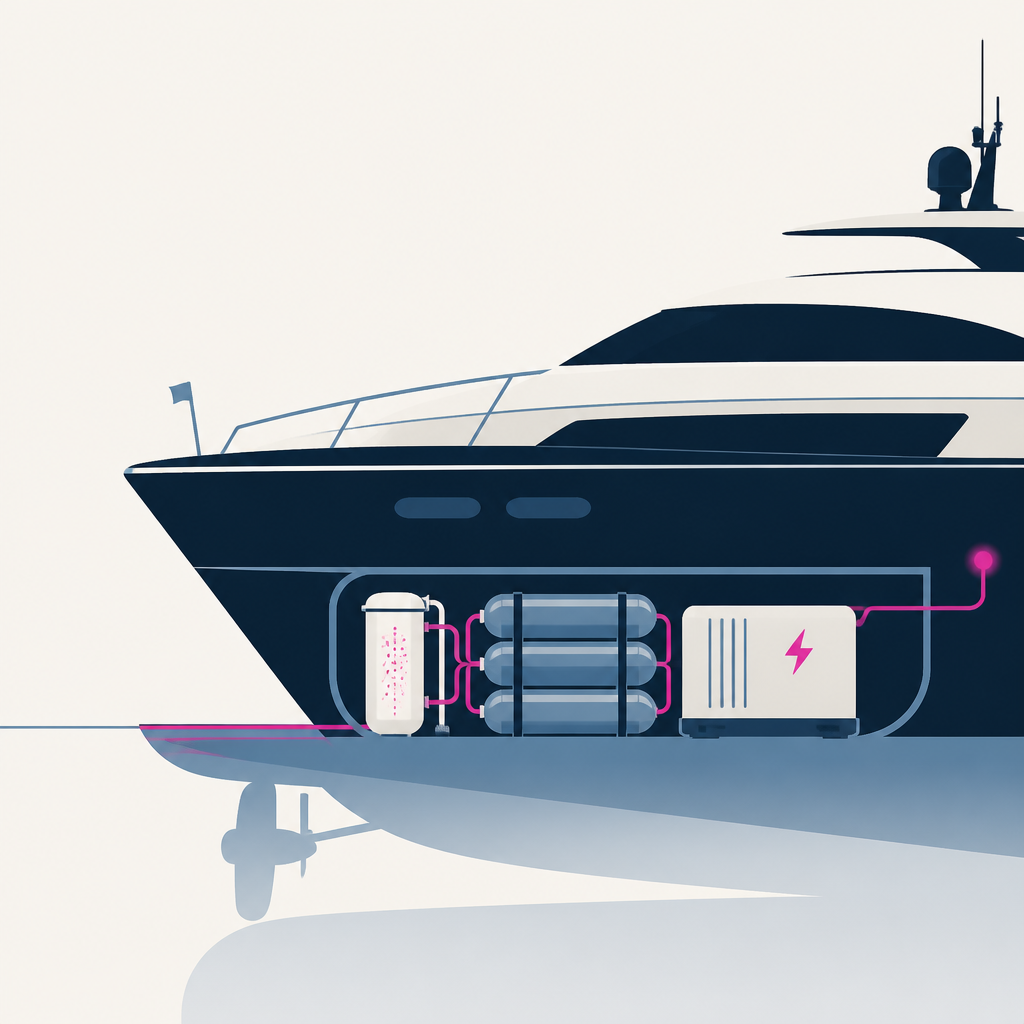 Silent sailing, noisy generators: Hydrogen startups PowerUP and H2Boat tackle yachting's diesel problem
Tech.eu · 7 hours ago ·
29
Silent sailing, noisy generators: Hydrogen startups PowerUP and H2Boat tackle yachting's diesel problem
Tech.eu · 7 hours ago ·
29
 Miracly launches with €1.8M to automate AI-powered marketing
Tech.eu · 6 days ago ·
16
Miracly launches with €1.8M to automate AI-powered marketing
Tech.eu · 6 days ago ·
16
 Also’s $3,500 e-bike is a $1 billion Trojan horse for autonomous transportation
Fortune ·
20
Also’s $3,500 e-bike is a $1 billion Trojan horse for autonomous transportation
Fortune ·
20