
How Claude designed protein binders against scorpion neurotoxins
Anthropic
Claude (via an internal research model) was used to design minibinder proteins against scorpion neurotoxins and produced 180 candidate designs that partners later tested. The teams experimentally tested 211 designs in total, finding 17 that met criteria of binding (every replicate positive) with dissociation constants of 1 µM or tighter. The release of all 211 designs and their data shifts the work from a one-off study toward an open resource for faster AI-assisted protein binder discovery in neglected diseases.
Why it matters
Anthropic asked an internal research model to design mini binders—small proteins that attach tightly to a target—against scorpion neurotoxins. 17 of the 211 designs tested met Anthropic’s criteria, as a promising step toward using AI to design credible binders with lab confirmation within weeks.
Related stories
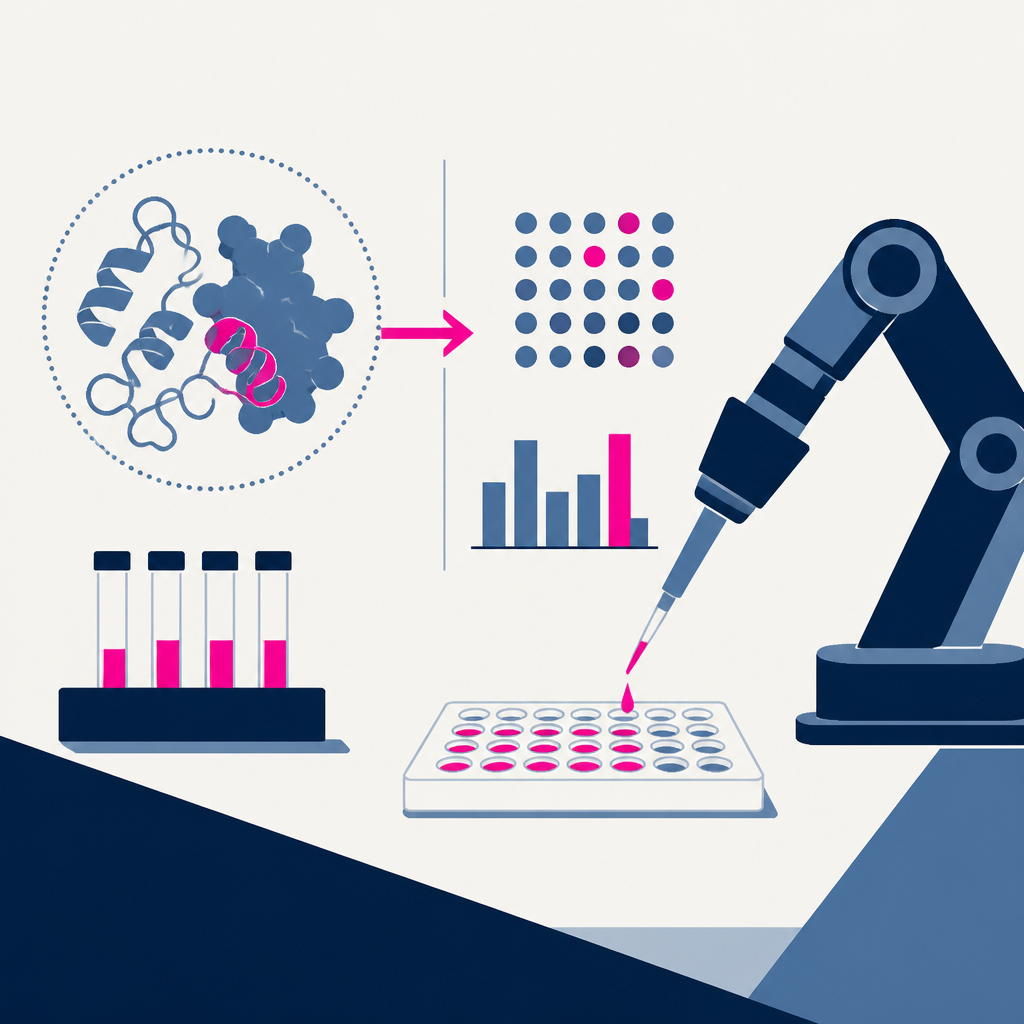 From In-Silico to Wet-Lab: Evaluating AI Protein Design Performance
MarkTechPost · 1 month ago ·
33
 Advancing AI for biology: Teaching models to design and characterize antibodies
Amazon Science · 1 month ago ·
31
How a Google DeepMind Spin-off Hunts Hidden Drug Targets
IEEE Spectrum · 4 months ago ·
31