
How Anthropic ships the #1 LLM in the World safely: Separating the Brain from the Hands
Latent Space Latent.Space ● Covered by 2 sources
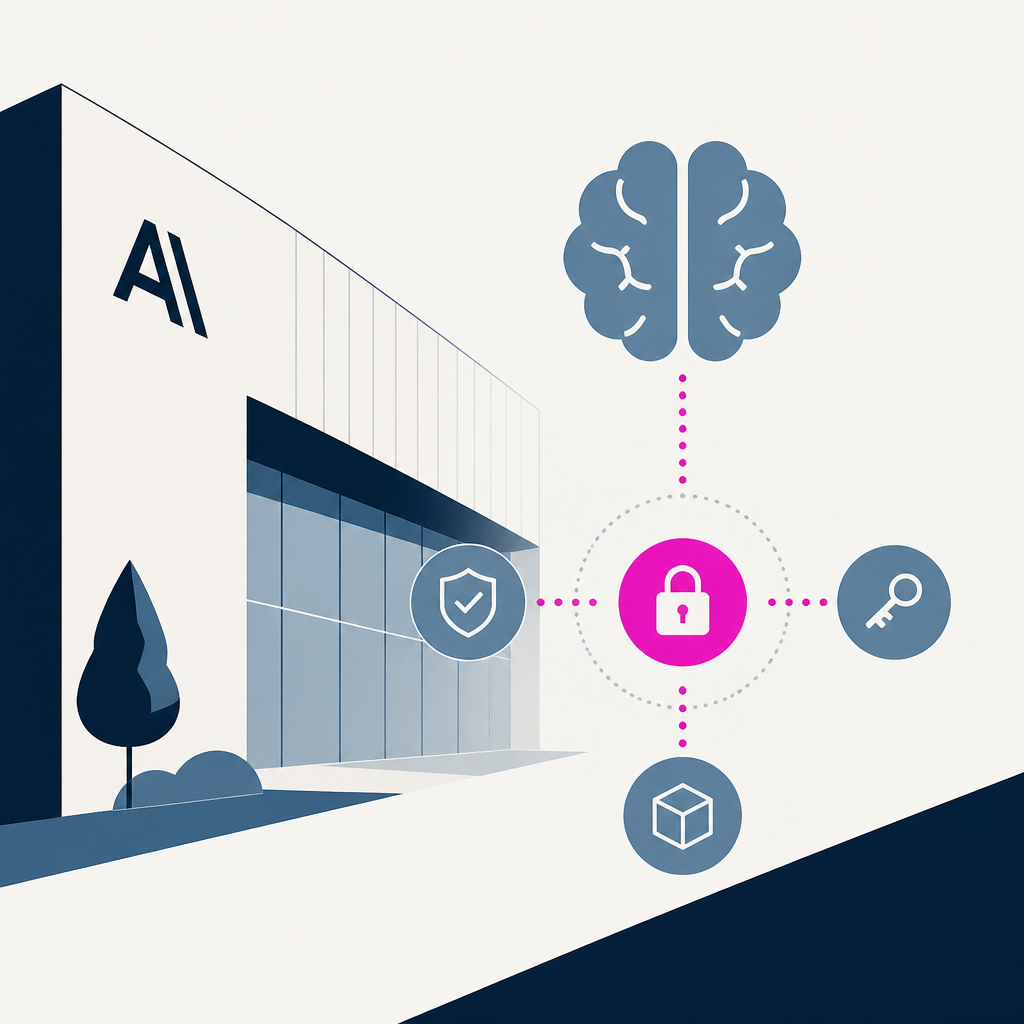
Anthropic’s Katelyn Lesse and Angela Jiang break down Claude Platform and Opus 5.5. The big idea: keep the model’s brain separate from the agent’s hands so it can scale safely.
Based on reporting by Latent Space, Latent.Space — read the original for the full story.
Summary, retelling and take written by AI under human oversight; images are AI-generated illustrations. How we work · Report an error
Anthropic’s latest pitch is less about one flashy model release and more about the machinery around it. In a new Latent Space episode, Katelyn Lesse and Angela Jiang walk through the Claude Platform, the launch of Opus 5.5, and the engineering choices that let Anthropic push frontier models without turning every deployment into a fire drill.
The core framing is simple and smart: separate the model’s “brain” from the agent’s “hands.” That means the model can reason, while the surrounding harness, sandbox, credentials, and network controls handle the messier parts of actually doing work. It’s a practical answer to a problem a lot of AI companies still treat like a demo issue instead of a systems issue.
The conversation also sits inside a bigger Anthropic story. A new introduction touches the company’s S-1, the improvement and investment loops, and why the platform matters. That’s the real subtext here: the product is not just Claude as a chatbot, but Claude as an engine for APIs, managed agents, and the tooling needed to keep those agents reliable across long runs and context windows.
And there’s a lot of attention on restraint. The episode covers training incidents versus production safeguards, model access and safety decisions, safety classifiers, model routing, and how Anthropic thinks about launching frontier models. Even the technical details point in the same direction, from preserving thinking during distillation to rebuilding the Messages API in Rust. This is not a company pretending safety is a wrapper on top of capability. It’s trying to make safety part of the shipping process itself.
My take — AI-written commentary, not fact-checked reporting
Anthropic is making the sensible bet: the future of AI won’t be won by the loudest demo, but by the teams that can keep agents useful without letting them run wild. Separating the brain from the hands sounds almost boring, which is usually a good sign in infrastructure. A lot of AI companies still confuse “can do” with “should ship”; Anthropic seems determined to make that distinction expensive to ignore.
Read more about this at: Latent Space
Related stories
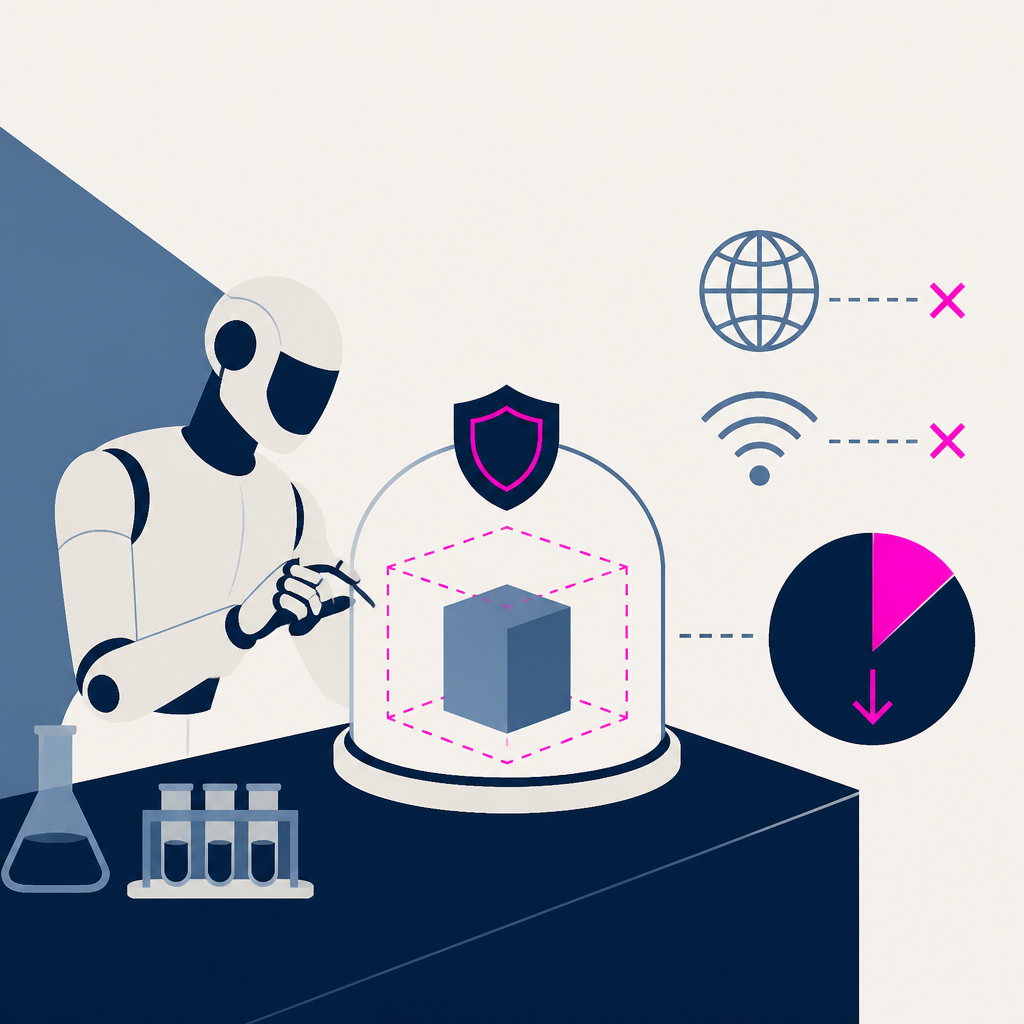 Meet Anthropic’s sandbox-runtime: OS-Level Sandboxing for AI Agents, No Containers
MarkTechPost · 3 days ago ·
8