
Glassdoor President: finding the right job shouldn’t feel like winning the lottery
Fortune Owen Humphries
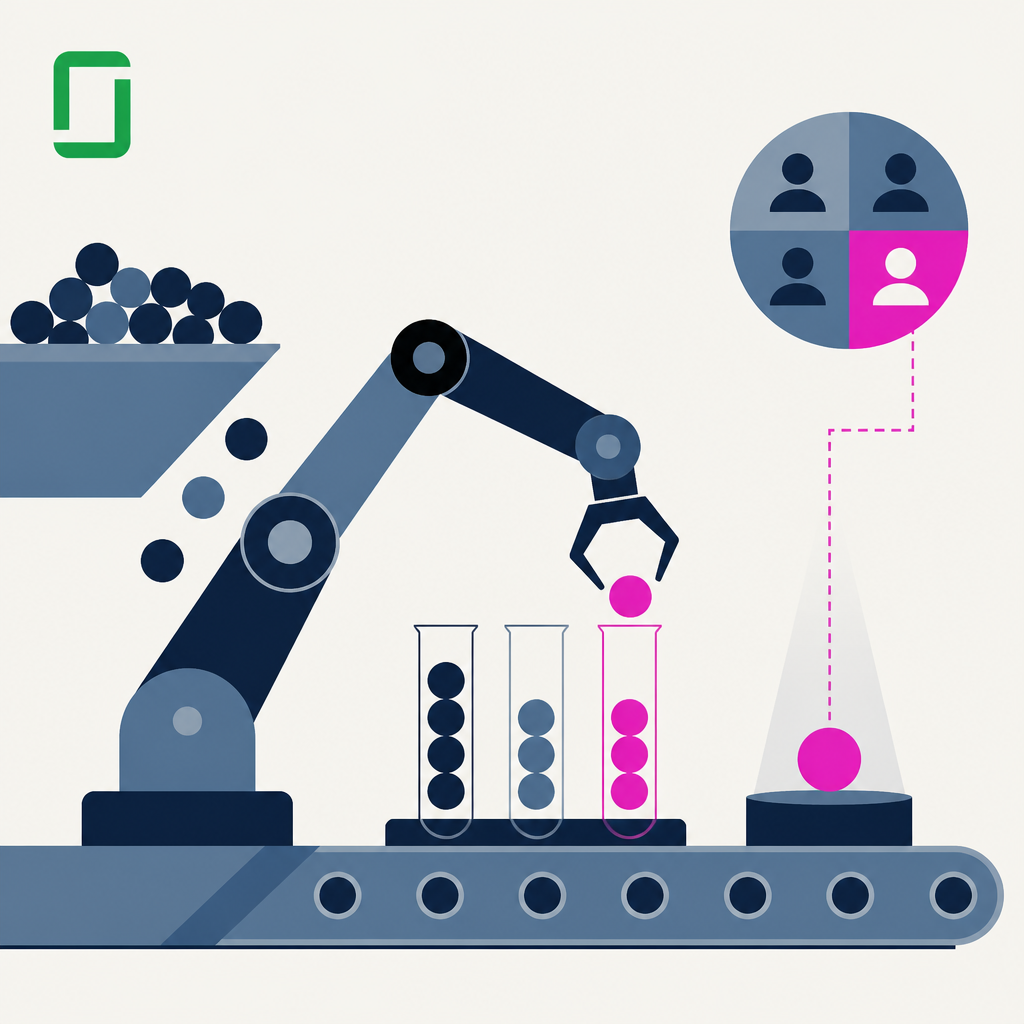
Glassdoor says job hunting is broken, and launched a recruiter tool to fix some of it. The aim: stop making people guess from resumes and job posts alone.
Based on reporting by Fortune, Owen Humphries — read the original for the full story.
Summary, retelling and take written by AI under human oversight; images are AI-generated illustrations. How we work · Report an error
Job hunting has turned into a kind of paperwork purgatory. People keep tailoring resumes, rewriting cover letters and filling the same details into portal after portal, and then they often get silence back. The churn is getting worse: applications per job have more than doubled since 2022, while the average company has 56% fewer recruiters to sort through them.
Glassdoor’s original bet was that workers needed visibility before they accepted a role. Anonymous reviews and ratings gave job seekers a way to see pay, culture, management and whether interview promises held up once someone started. That was the point of the platform: to make the workplace less mysterious from the employee side.
But that transparency only solved part of the problem. Knowing what a company is like does not tell anyone whether a particular person fits a particular role. A resume is still a highlight reel. A job description is still a wish list. When that match is off, workers lose confidence and engagement, and many stay put because starting over means dropping back into the same broken process. Glassdoor says its data over the past two years shows burned-out workers are less likely to apply for another job than workers with similar ratings.
Now, as part of Indeed, Glassdoor is trying to tackle the other side of the equation too. CEO Hisayuki “Deko” Idekoba has called hiring a “vicious cycle,” and the company points to a striking number: 96% of people who changed jobs last year did so without a recruiter ever contacting them. Add AI into that system, and it often makes the volume problem worse by generating and processing even more applications instead of improving the match.
The company’s argument is that hiring should be narrower and more useful. It cites its most recent Employee Confidence Index, which hit a record low, and notes that software postings are up roughly 20% year over year even though tech employment is still 3.8% below its 2022 peak. The jobs exist. The question is how to point people toward the right ones.
That’s the pitch behind Glassdoor Recruiter, launched this month. Rather than asking candidates to trawl thousands of listings, it surfaces a smaller set of roles that better align with their experience, goals and what Glassdoor knows about the workplace. Paired with Indeed’s marketplace, it also gives people more control over how visible they are to employers. The bigger idea is simple enough: hiring works better when both sides have something real to go on, not just a stack of forms and hope.
My take — AI-written commentary, not fact-checked reporting
Glassdoor is right about the basic problem: hiring has been turned into a high-volume guessing contest, and everyone pretends that’s normal. It isn’t. The annoying part is how often the industry dresses up more sorting, more prompts and more AI as progress, when the real fix is less noise and better signals.
Read more about this at: Fortune