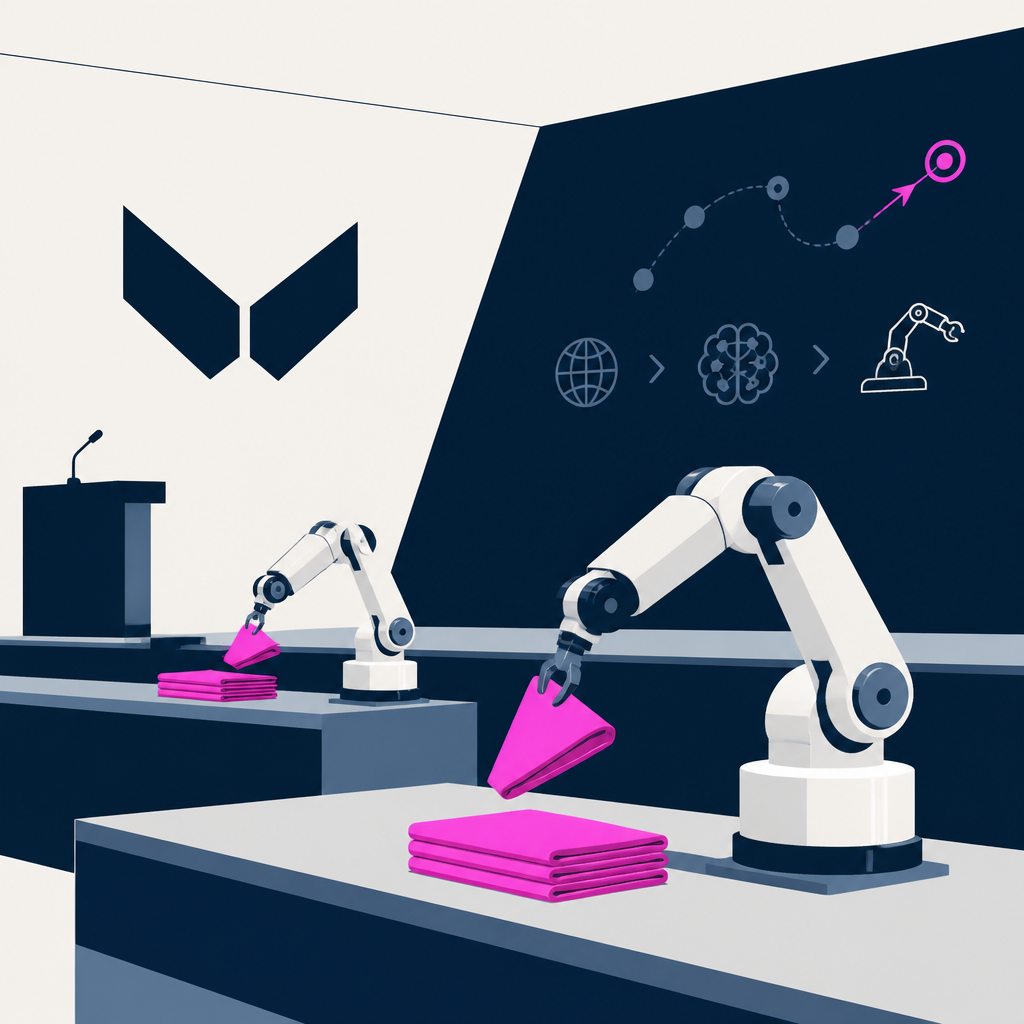
Dyna Robotics Introduces Dyna-2: A World-Action Model Pre-Trained on 1 Million Hours of Human Video
MarkTechPost Asif Razzaq
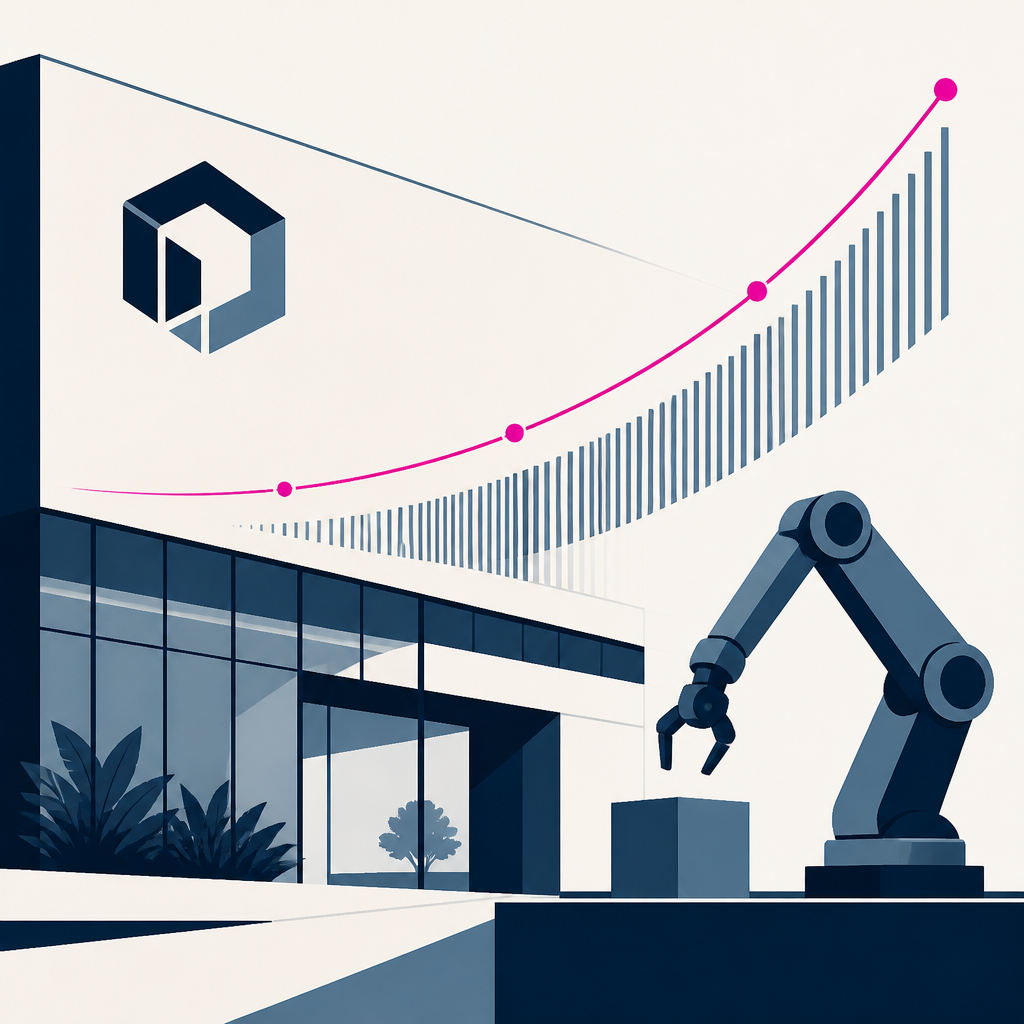
Dyna Robotics built Dyna-2 on 1M+ hours of human video. It works as a vendor-run robot system, not something you can download and tinker with.
Based on reporting by MarkTechPost, Asif Razzaq — read the original for the full story.
Summary, retelling and take written by AI under human oversight; images are AI-generated illustrations. How we work · Report an error
Dyna Robotics has rolled out Dyna-2, a new world-action model for robot manipulation that was pre-trained on more than one million hours of egocentric human video. The company is betting that ordinary human footage can do some of the work that usually depends on painstaking teleoperation data. That’s the core idea here: less hand-labeled robot experience, more scale from the real world as people already live it.
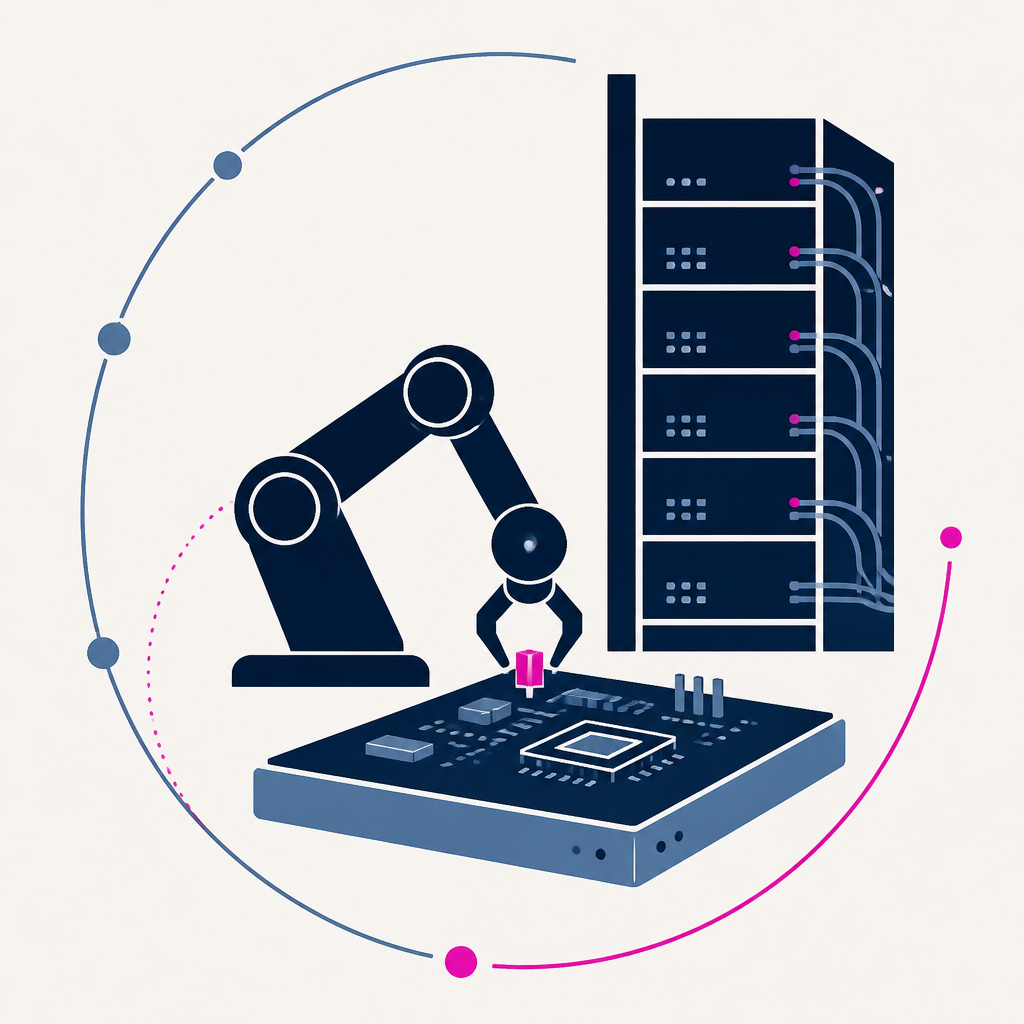
The model is built as a world-action model, or WAM, on a video-diffusion backbone. It predicts future video and future action chunks, with separate token streams for video and action that still talk to each other. Proprioception goes straight into the action transformer. Video tokens can attend to text, but text does not directly steer the action side. The training setup uses flow matching, and Dyna says the action path stays reactive at inference because it does not take the noised video latent as an input.
The more interesting part is the scaling story. Dyna cut nested datasets of 1,000, 10,000, 100,000, and 1,000,000 hours, keeping the same proportions at each rung, and found monotonic gains all the way up. On held-out human data, the fitted curves improve across four metrics. Then the same checkpoints transferred zero-shot to robot data the model had never seen: 39 tasks across two stationary bimanual YAM platforms, including 12 internal tasks and 27 from xdof ABC. Dyna says there’s an inflection between 10,000 and 100,000 hours.
And video appears to be doing the heavy lifting on transfer. Joint denoising beat action-only training on all 39 tasks at every action scale, and when action-labeled data was held at 50,000 hours, adding video-only hours cut zero-shot robot MSE from 0.340 to 0.120. The company also says the effect is about cross-embodiment generalization, not better held-out human error.
On-robot, Dyna post-trained each rung on 14 tasks with no more than 10 hours of robot data per task, spanning three embodiments: 6-DOF YAM arms with parallel-jaw grippers, the same arms with WUJI-2 20-DOF dexterous hands, and a semi-humanoid prototype. Mean normalized score climbed from 20% to 53% across the ladder, and Dyna-2 beat Dyna-1 in the company’s comparisons, including at unseen customer sites. But there’s a catch: no public checkpoint, no API, no license. If you want Dyna-2 today, you buy a Dyna robot cell.
My take — AI-written commentary, not fact-checked reporting
This is the right kind of ugly for robotics: less demo theater, more data plumbing. The real tell is the closed deployment plan, because plenty of companies love open-sounding AI until it’s time to hand over the weights. Here, the model may be about scale, but the business model is still old-fashioned lock-in, with a robot cell as the velvet rope.
Read more about this at: MarkTechPost