Clockwork.io lands $31M to eliminate wasted GPU-hours with AI infrastructure fault tolerance
Tech Funding News Abhinaya Prabhu
Clockwork.io just raised $31M to keep AI GPUs from going idle when something breaks. Its software can move work live and save tens of thousands of GPU-hours a month.
Based on reporting by Tech Funding News, Abhinaya Prabhu — read the original for the full story.
Summary, retelling and take written by AI under human oversight; images are AI-generated illustrations. How we work · Report an error
Clockwork.io has pulled in $31 million in new funding, lifting its total to $73 million, as the AI infrastructure boom runs into an expensive problem: failure. When one piece of a giant GPU cluster gives up, a lot of expensive silicon can end up waiting around doing nothing.
The round was co-led by Premji Invest, Wing Ventures and Seligman Ventures, with NEA and e& Capital also joining in. The money will go toward expanding Clockwork’s fault-tolerance tools across training, inference and reinforcement learning.
The company’s pitch is simple enough to be dangerous in a market obsessed with raw compute. Conventional checkpoint-and-restart systems are fine until the cluster gets big, at which point a failed GPU, network link, NIC or server can knock an entire job back to its last save point. That can waste hours of work and strand healthy GPUs while everything resets.
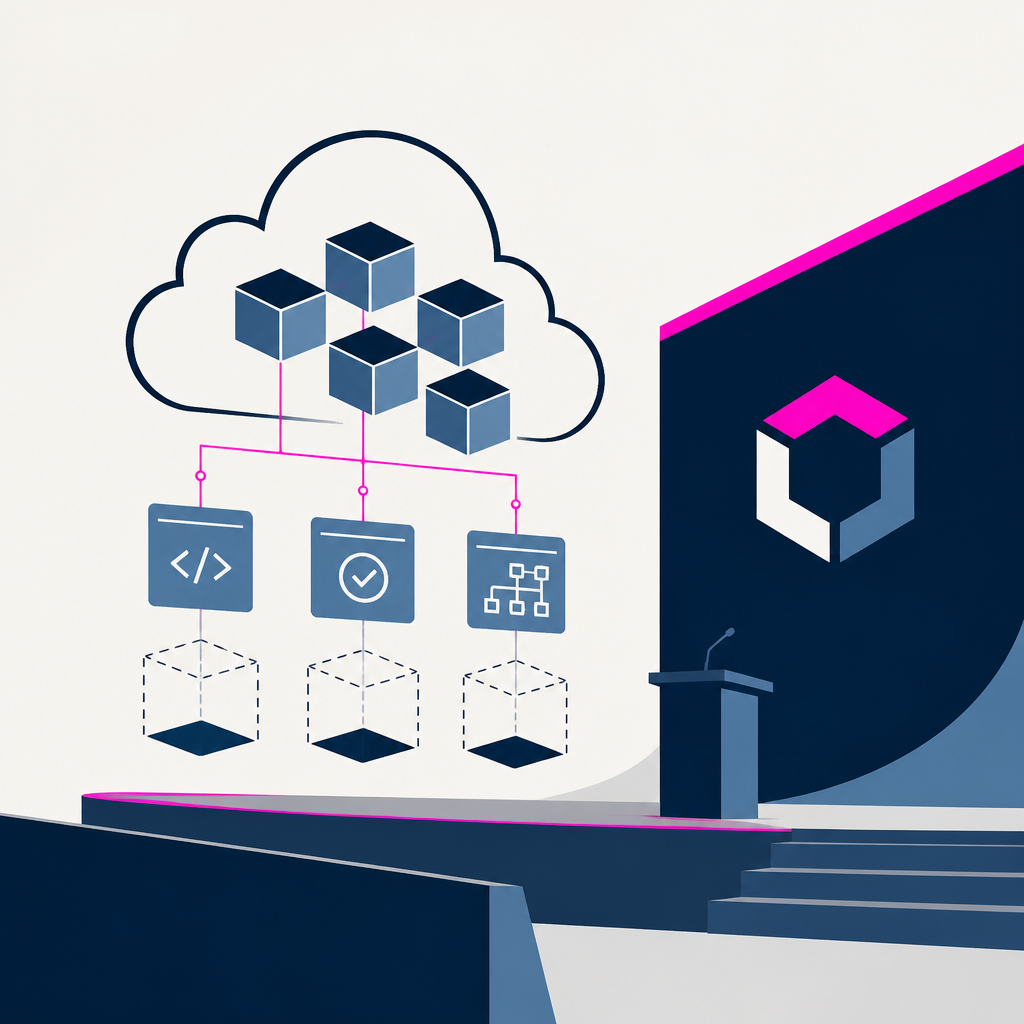
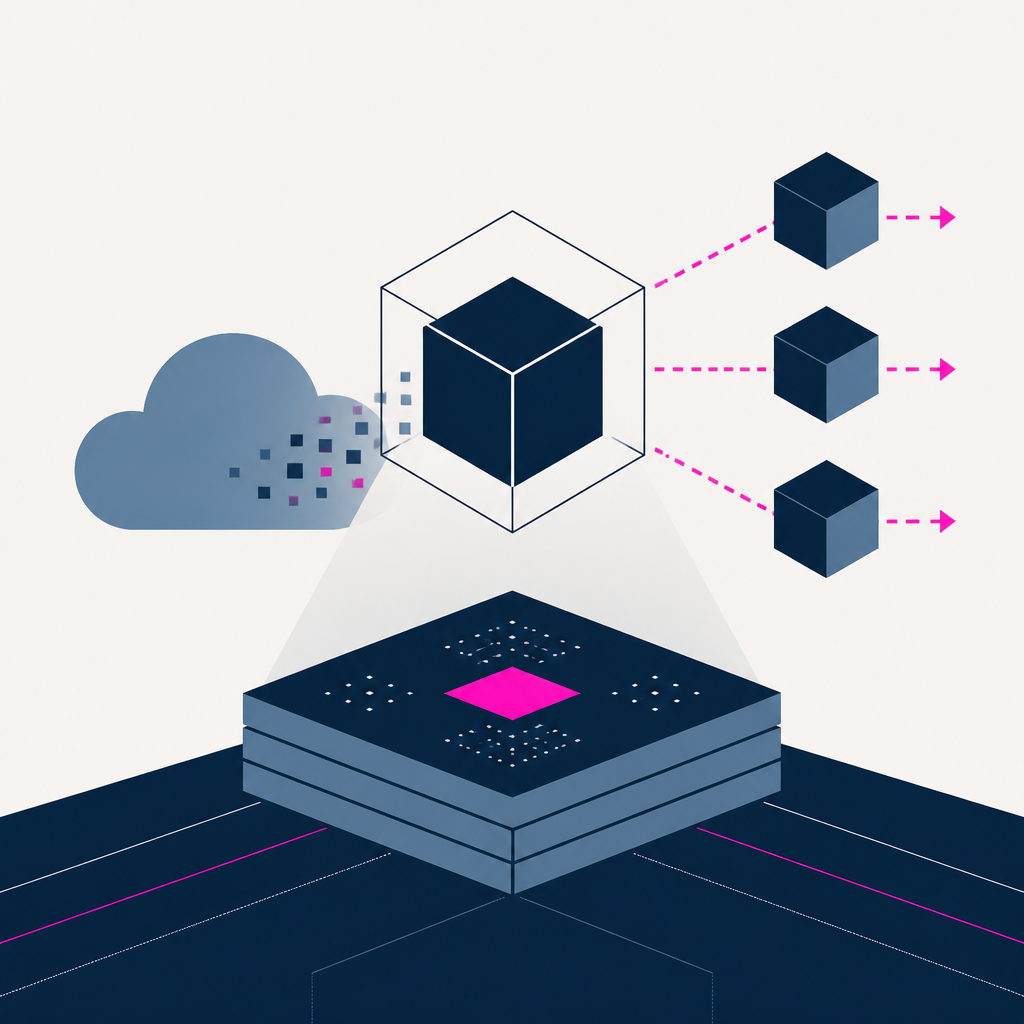
Clockwork sits between the infrastructure and the workload. LinkPass reroutes traffic around broken links. TorchPass moves work away from failing GPUs without forcing a full restart. TorchSnap adds distributed checkpointing across multiple nodes, with snapshots that preserve running training jobs without code changes and faster application checkpoints for reinforcement-learning systems that need to push updated weights into inference replicas.
The company is already in use at some familiar names. LinkedIn says LinkPass prevents tens of thousands of GPU-hours of downtime each month. Together AI is bringing TorchPass to its clusters, and WhiteFiber is expanding Clockwork across its global GPU-as-a-service setup.
The market opportunity is obvious, even if the numbers are starting to look absurd. Gartner forecasts global AI spending will hit $2.7 trillion in 2026, with AI infrastructure the biggest slice. In a field that keeps bragging about bigger clusters, Clockwork is making the less glamorous argument: the real win is making sure the GPUs actually stay busy.
My take — AI-written commentary, not fact-checked reporting
This is the kind of plumbing the AI boom keeps pretending it doesn’t need until the invoices arrive. Everyone wants more GPUs; fewer people want to pay for the hours they spend sitting there after one flaky part blinks. Resilience is boring, which is exactly why it will probably end up being worth more than half the demo-stage heroics in this market.
Read more about this at: Tech Funding News