
Building agents: When to fold subagents into your main agent loop
Claude
Claude’s team says some subagents should be folded back into one main loop. Why? In several enterprise cases, simpler setups were faster, cheaper, and better.
Based on reporting by Claude — read the original for the full story.
Summary, retelling and take written by AI under human oversight; images are AI-generated illustrations. How we work · Report an error
Anthropic’s Claude Platform team is telling builders to look hard at their subagents and ask a blunt question: do these really need to be separate? The company has published a migration kit that walks teams through identifying patterns, testing alternatives, and checking the best path before trying it on a mock system and then on the real agent.
The argument is not that subagents are bad. Far from it. Anthropic says they still matter for verification, parallel work, and tightly scoped permissions, and the company uses them in its own systems, including a multi-agent research setup. But after comparing several enterprise deployments, its Applied AI team says a single agent with skills often beat both the “one prompt for everything” setup and the subagent version on quality, while also cutting cost and latency.
One customer example stands out. A customer-facing agent with a dozen specialist subagents had trouble keeping a consistent brand voice, and the extra hops slowed the experience down. In another comparison, a single-agent loop ran about 2x faster than a multi-agent harness. That is a hard number, and it is the sort that usually gets architecture debates moving very quickly.
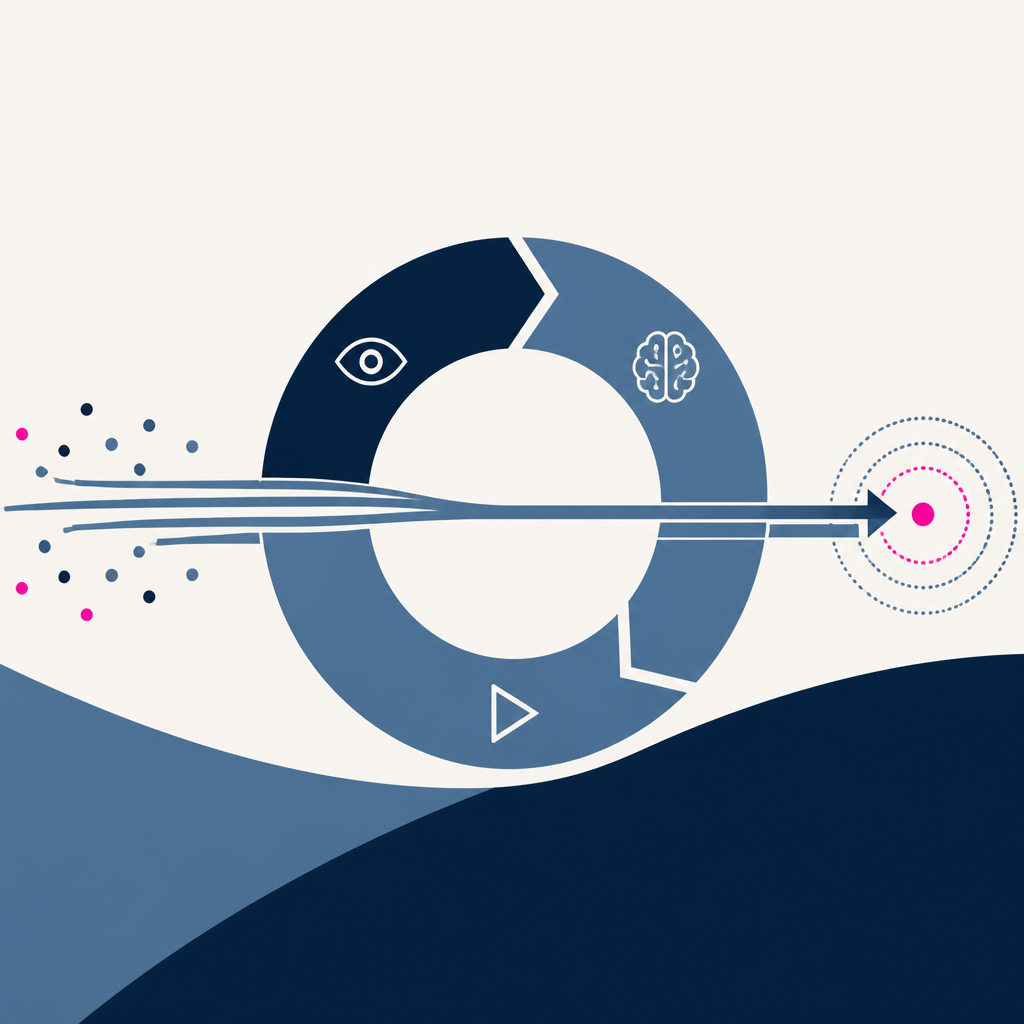
The recurring problem, Anthropic says, is that enterprise teams rebuild their org chart inside the agent. One team owns the router, another owns the planner, another owns the domain agent, and suddenly the system prompt is full of competing rules, the evals are fragmented, and the context gets chopped into summaries on every handoff. The company’s answer is progressive disclosure: keep a single loop, expose short skill and tool descriptions up front, and load the full thing only when needed.
That simpler design is also easier to move forward as models improve. Anthropic says newer models can handle more inside one loop, which makes some harness machinery unnecessary. The migration path it recommends is practical rather than dramatic: central ownership of end-to-end quality, a shared eval set, and then folding subagents into skills or tools one at a time, starting with the tightly coupled ones that already pass work back and forth.
My take — AI-written commentary, not fact-checked reporting
This is the usual enterprise story: teams mistake internal structure for product quality, then wonder why the agent sounds like committee minutes. The cleaner the loop, the less room there is for org-chart cosplay. A single owner, fewer prompts, and fewer handoffs is not sexy, but it beats a thousand tiny specialist fiefdoms pretending to be architecture.
Read more about this at: Claude
Related stories
 The Agent Loop Architecture
X · 4 months ago ·
37
Agentic orchestration: Enterprise AI organizations have a deployment problem, not a platform problem — and most are calling chatbots agents
VentureBeat · 3 months ago ·
41