Arlequin AI raises €28M to build novel AI models that learn complex relationships at scale
SiliconANGLE Kyt Dotson ● Covered by 3 sources
Arlequin AI raised €28M to build AI models that learn from how data connects, not just the data points. It says that could help in fraud, security and other cases where tracing causes matters more than flashy chatbots.
Based on reporting by SiliconANGLE, Kyt Dotson — read the original for the full story.
Summary, retelling and take written by AI under human oversight; images are AI-generated illustrations. How we work · Report an error
Paris-based Arlequin AI has raised €28 million, about $32 million, to push a very specific bet in AI: models that learn from structure and relationships inside data instead of leaning on the graph-based neural networks behind most large language models.
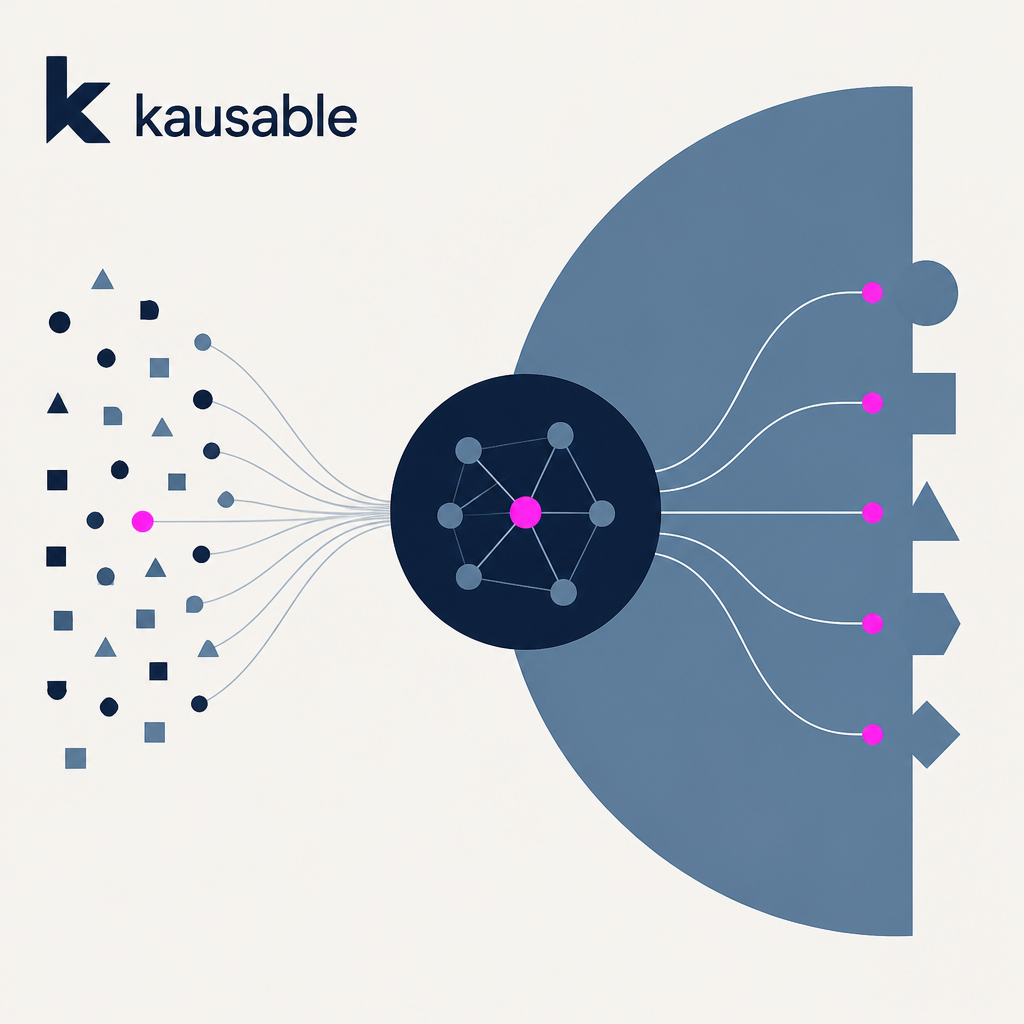
The company says its approach uses topological neural networks, or TNNs, and that it already has a platform meant to be easy to deploy and able to handle mixed data types, including documents, transactions, video and operational information. That mix matters because the pitch here is not “look, another chatbot.” It’s about systems that can track multi-path interactions across large, messy datasets and help trace an outcome back to its source.
The Series A was backed entirely by European investors, with Redalpine and OTB Ventures co-leading alongside Bpifrance’s Defense Innovation Fund. Existing backers Vsquared Ventures and 10x Founders put in more, and Xavier Niel and Zebox joined the round. Arlequin says the money will help scale a proprietary model built to learn from how information is connected, not just from isolated points.
Chief executive and co-founder Hugo Micheron framed it as a response to information overload and a wider contest with the US and China over powerful AI systems. The company is already pointing to use cases in counterterrorism, criminal investigations, fraud and money laundering, cybersecurity, information integrity, AI safety and security. It also says the design should use significantly less compute, easing pressure on energy, hardware and infrastructure costs.
Arlequin is working with research teams at Inria, the French National Center for Scientific Research and the Max Planck Institute, plus teams at Oxford, Cornell, Princeton and UC Santa Barbara. It has opened offices in London and Berlin, and plans an AI lab in Silicon Valley in the coming months.
My take — AI-written commentary, not fact-checked reporting
This is the kind of AI story that actually deserves attention: less demo theater, more “show me the audit trail.” The industry has spent years acting like bigger models are always the answer, which is a convenient belief if you sell chips, not so much if you need evidence. If Arlequin’s pitch works, it’s a reminder that useful AI may look a lot less like a chatbot and a lot more like a detective with better math.
Read more about this at: SiliconANGLE