Announcing SimReady Central: An Open Library of Simulation-Ready 3D Assets for Robotics and AI Factories
Hugging Face
Hugging Face now has 2,000+ SimReady 3D assets for robot and factory simulations. The catch: they’re built for physics, so teams can skip a lot of setup work.
Based on reporting by Hugging Face — read the original for the full story.
Summary, retelling and take written by AI under human oversight; images are AI-generated illustrations. How we work · Report an error
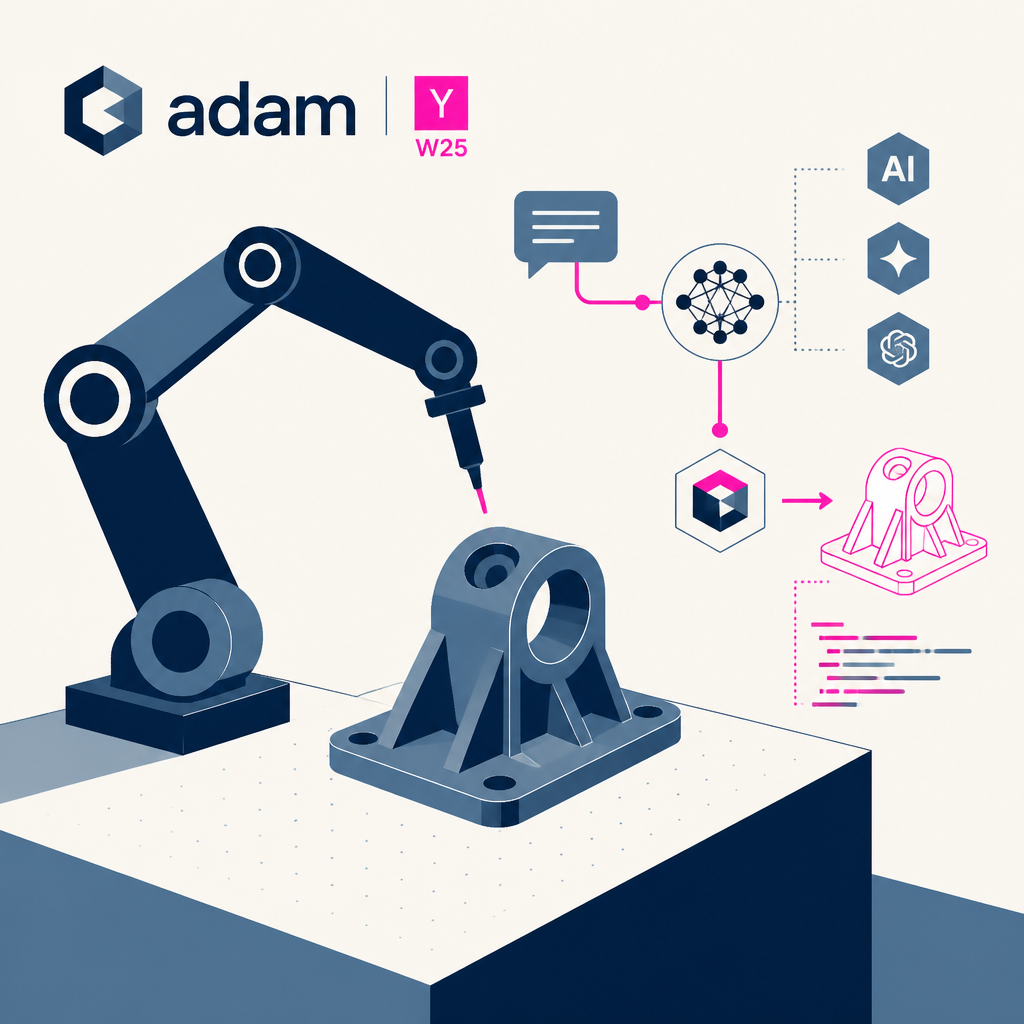
Hugging Face is opening up a new library of simulation-ready 3D assets for robotics and AI factory work. The SimReady Central Library brings together more than 2,000 OpenUSD assets, and the pitch is simple: give developers a free starting point for physical AI training environments and digital twins without making them build every object from scratch.
The reason this matters is that a plain 3D model is only part of the job. Simulation needs collision geometry, mass, friction, joint limits, semantic labels, and sometimes thermal or electrical metadata. SimReady assets come prepared with those properties, and the Foundation behind the effort defines profiles and validation tools so teams can check whether an asset fits a given use case before dropping it into a scene.
The library is aimed at both developers and manufacturers. OEMs can prepare CAD models against SimReady requirements, validate them, and publish them on Hugging Face so other teams can discover and reuse them. The examples run across industrial gear, from robot arms and grippers to racks, cooling equipment, warehouse assets, and household appliances.
Hugging Face also wants the library to be a working layer for scene building, not just a catalog. Developers can mix assets from different suppliers, search them with NVIDIA USD Search, and use AI-assisted tools to assemble robotic pick-and-place scenarios or compare factory layouts. The examples in the post use frontier models like OpenAI’s GPT-6 Astra to generate scene code, check clearances, and produce previews.
The broader goal is obvious: make simulation feel less like asset plumbing and more like actual engineering. If the library grows the way Hugging Face wants, the boring part of digital twins gets outsourced to a shared pile of validated assets. That’s the part most teams were never excited to build anyway.
My take — AI-written commentary, not fact-checked reporting
This is the right kind of open infrastructure: boring, useful, and hard to fake. The AI industry keeps inventing new wrappers around the same old problem, which is that real-world simulation dies on missing metadata, not on grand theory. Open libraries beat locked-up demoware here, every time.
Read more about this at: Hugging Face