AI startup Firefly secures $20M to make the physical world a safer place
SiliconANGLE Mike Wheatley
Firefly raised $20M to bring AI into workplace safety. It’s betting cameras, sensors and radios should work as one system, not in silos.
Based on reporting by SiliconANGLE, Mike Wheatley — read the original for the full story.
Summary, retelling and take written by AI under human oversight; images are AI-generated illustrations. How we work · Report an error
Firefly Technology has raised $20 million in Series A funding to push AI out of the screen and into the physical world, starting with safety at workplaces, schools and hospitals. Definition Capital led the round. BoxGroup joined again, and Susa Ventures came back after leading the startup’s seed round earlier this year.
The company’s pitch is simple enough to understand, even if the problem it’s attacking is messy: safety tools tend to operate separately. Cameras see, radios carry messages, sensors trigger alarms, but the people responding still have to stitch the scene together before anything useful can happen. Firefly wants to remove that lag.
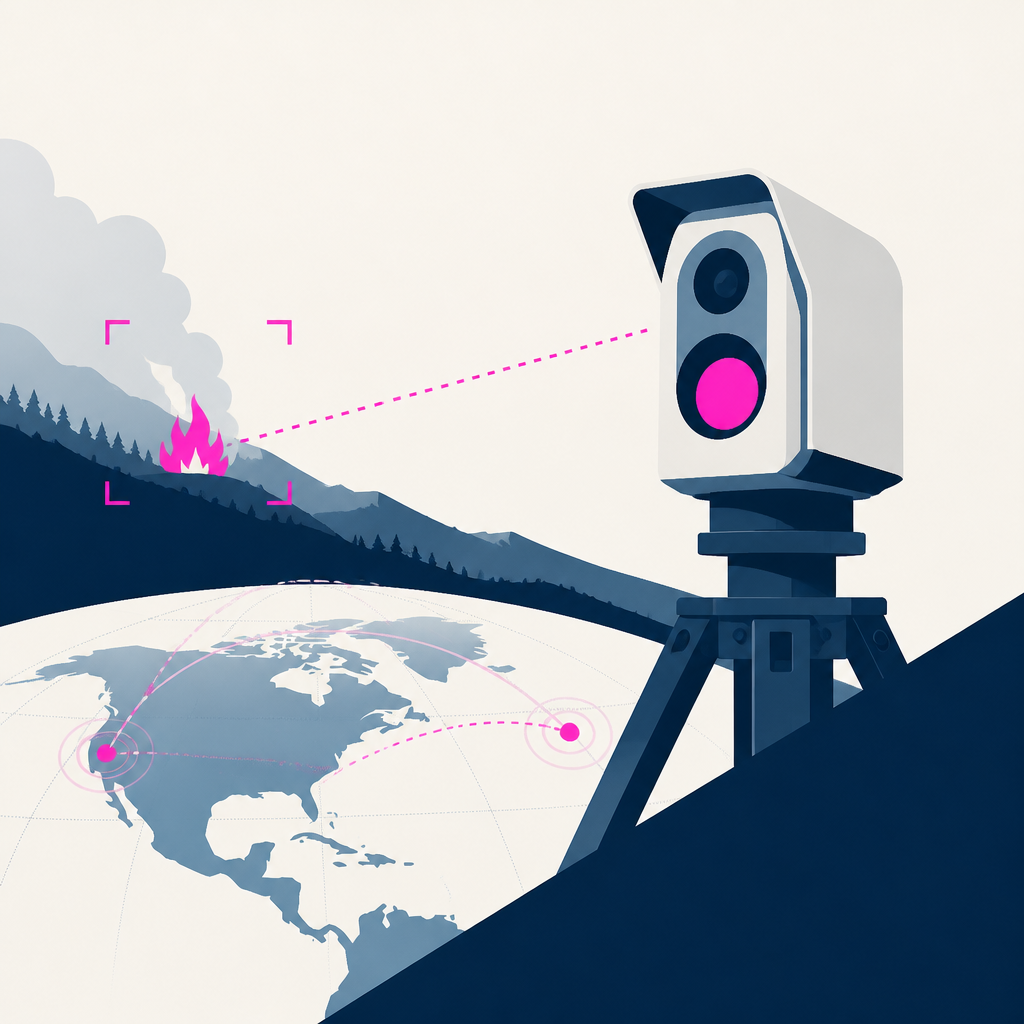
At the center of the plan is Ember Safety Management, software that pulls data from existing cameras, radios and sensors to build a live picture of an incident. Firefly pairs that with hardware of its own, including wearable panic buttons, AI beacons that can triangulate those buttons and detect gunshots, plus a network gateway to keep the system connected.
Chief executive James Batt Buckley calls this the next frontier for AI: making the physical world as intelligent and programmable as the digital one. The company says its setup can detect an incident, add context and organize the response without forcing humans to spend precious minutes figuring out what just happened.
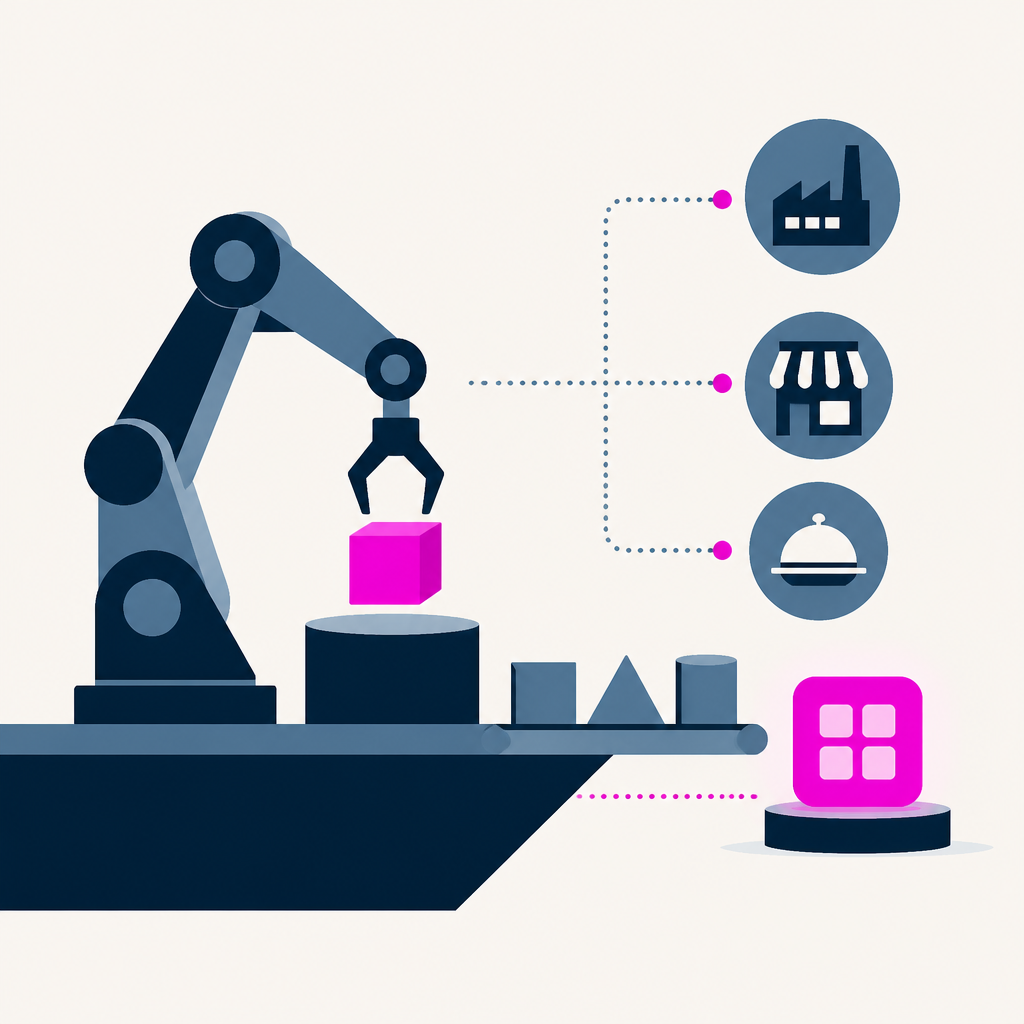
Firefly is already deployed at Front Range Community College, which is described as Colorado’s largest community college, across three campuses. Now the startup wants to broaden that footprint into educational centers, hospitals, enterprise campuses and other venues where fast response matters.
And there’s a bigger argument underneath all this. A Constellation Research analyst says AI is better suited than humans to monitor a physical area because it can stay on, stay focused and keep watch. That’s the sales pitch here: not more gadgets, but a nervous system for safety. The hard part, as always, will be proving the promise in the real world rather than just in the funding round.
My take — AI-written commentary, not fact-checked reporting
This is the right place for AI to be annoying, in the best way. Safety systems that live in separate boxes are a relic, and the industry has spent too long pretending a pile of disconnected tools counts as a strategy. If Firefly can make the response less clumsy without turning every campus into a science project, that’s a win worth backing.
Read more about this at: SiliconANGLE