
Again acquires Geno to combine AI-driven discovery with industrial biomanufacturing
Tech.eu Tamara Djurickovic
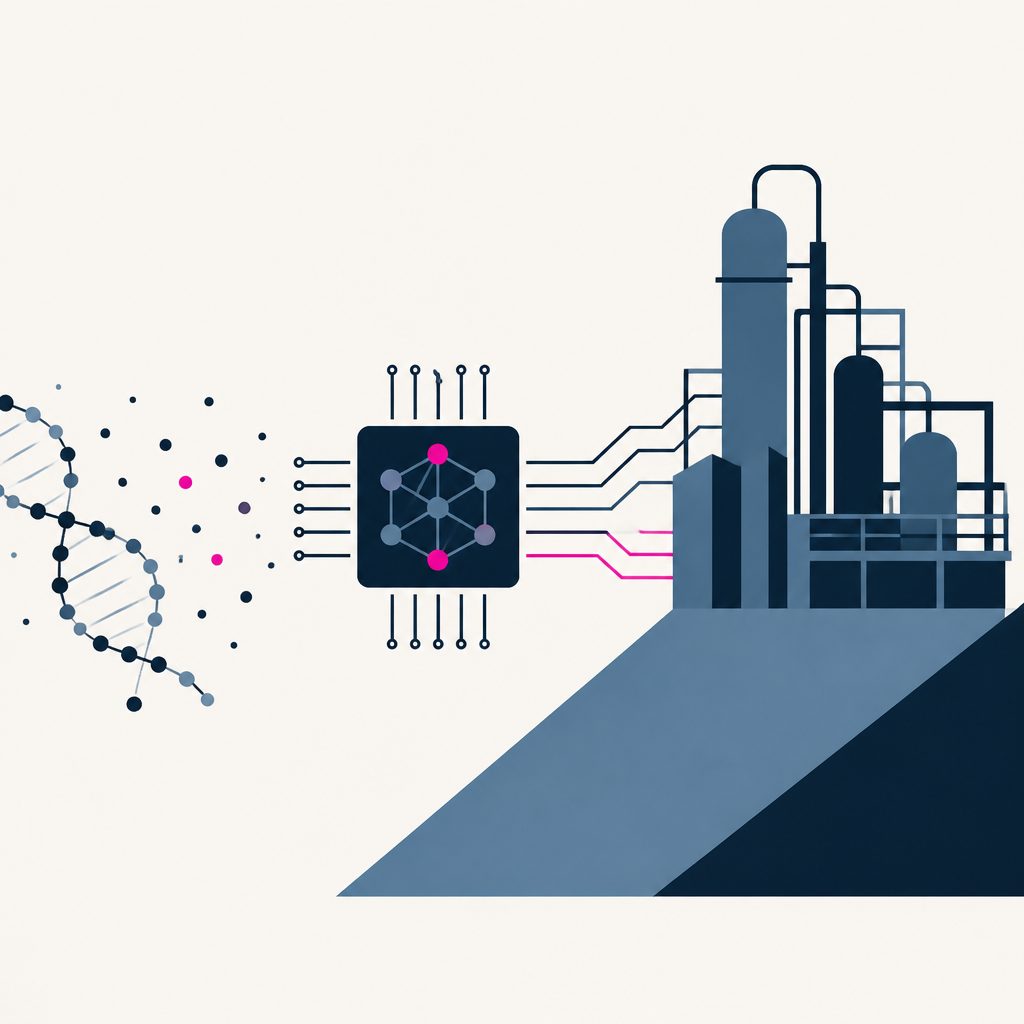
Again bought Genomatica to fuse AI molecule discovery with industrial biomanufacturing. The bet is faster lab-to-factory scale-up for new products and feedstocks.
Based on reporting by Tech.eu, Tamara Djurickovic — read the original for the full story.
Summary, retelling and take written by AI under human oversight; images are AI-generated illustrations. How we work · Report an error
Again has bought Genomatica, the industrial biotechnology company better known as Geno, in a move that ties together AI-driven discovery and industrial-scale manufacturing. The companies didn’t disclose financial terms, but the strategic logic is obvious: one side brings pathway discovery and molecule design, the other brings the machinery of scale-up and commercial production.
Again already works on multi-feedstock production pathways for industrial products made from different raw materials. With Geno in the fold, it says it now spans more of the chain, from the first idea for a pathway all the way to manufacturing at scale. That matters because biomanufacturing often stalls in the gap between what looks elegant in a model and what actually runs in a plant.
The centerpiece is Geno’s AI and computational biotechnology platform, plus its patent portfolio and a stash of data from experimental research, structural analysis, scale-up work and development results. Again plans to fold those assets into its own computational platform, with the goal of better modeling and a shorter development cycle for new pathways and products.
Geno has been focused on biotechnology processes that make chemicals and materials from renewable feedstocks. Again has been building feedstock-independent technologies and industrial scale-up. Put together, the companies now cover pathway discovery, process development and industrial production.
Max Kufner, Again’s CEO, framed the deal as a response to a simple reality: AI only matters if it can survive contact with the factory floor. The combined company plans to use several business models, including licensing, co-developing production pathways with industrial partners and manufacturing products through existing and planned production assets.
My take — AI-written commentary, not fact-checked reporting
This is the kind of deal that actually makes sense in AI: not another model demo, but a bridge to hardware, chemistry and ugly real-world constraints. The industry keeps pretending software alone will solve biomanufacturing; it won’t. The winners will be the ones that can make predictions and then make stuff.
Read more about this at: Tech.eu