aegis
Product Hunt Tamika Vantifflin
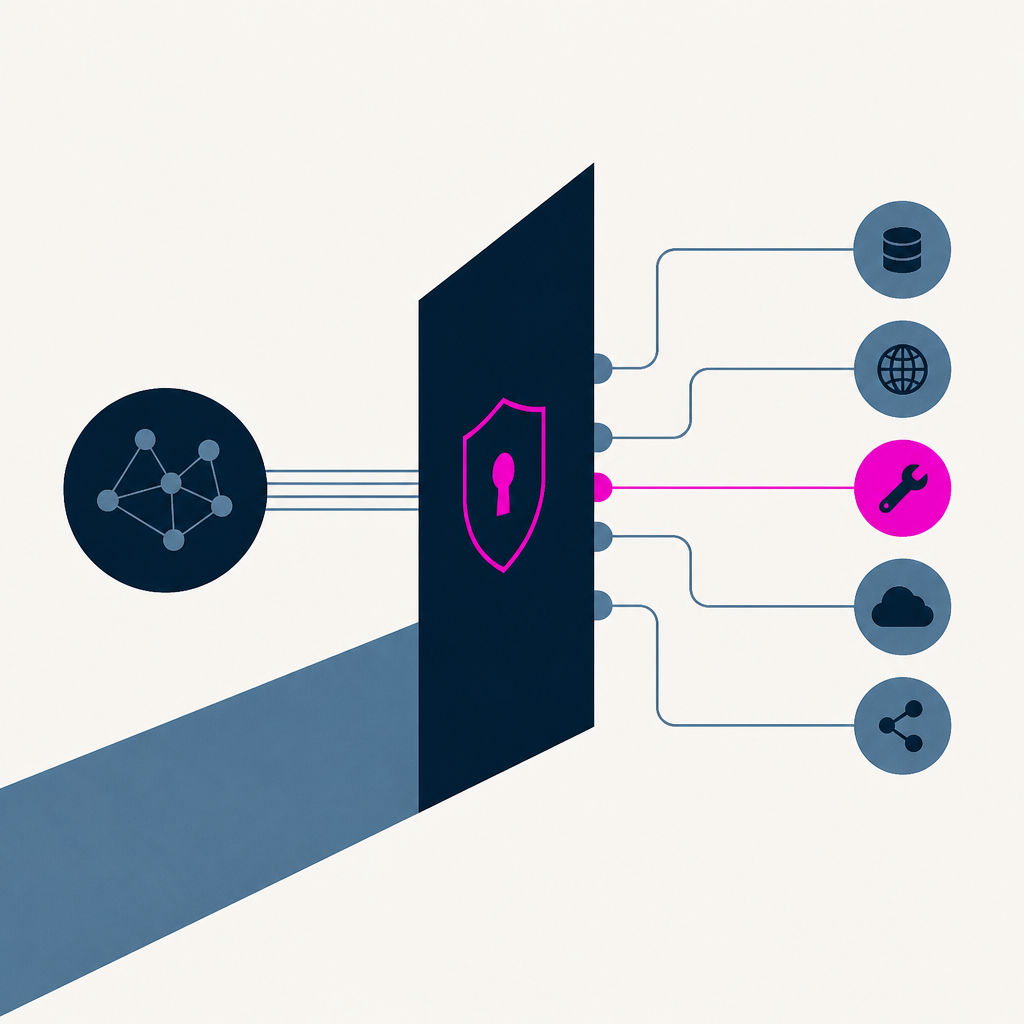
Aegis ties a panic alert to 24/7 emergency dispatch and sends live GPS, audio/video, and health data. That means responders get context fast instead of showing up blind.
Based on reporting by Product Hunt, Tamika Vantifflin — read the original for the full story.
Summary, retelling and take written by AI under human oversight; images are AI-generated illustrations. How we work · Report an error
Aegis is trying to replace the awkward, half-working panic button with something that looks far more complete. When a user triggers it, the service connects straight to 24/7 emergency dispatch and sends a live context payload instead of a bare alarm.
That payload includes real-time GPS, the reason for the alert, streaming audio and video, and vital health data. The pitch is simple: no more guessing on the other end, no more wasteful back-and-forth while someone is scared and waiting.
The product is also built around everyday safety rather than only worst-case scenarios. It adds Athena AI anomaly detection, fall detection, adaptive accessibility, and a trusted-contact network, which suggests Aegis wants to sit in the background until something looks off.
This is very much in the growing class of safety tools that try to turn passive devices into active helpers. But the interesting part here is not the AI label or the dashboard-y language. It is the attempt to make an emergency alert carry enough context to be useful immediately, which is a lot more practical than a button that only knows how to shout.
My take — AI-written commentary, not fact-checked reporting
The safety-tech market is full of products that confuse motion with help, and this one at least sounds like it understands the difference. Dispatch with context beats dispatch with mystery every time. The bigger test, of course, is whether people trust a system this chatty when things go wrong.
Read more about this at: Product Hunt