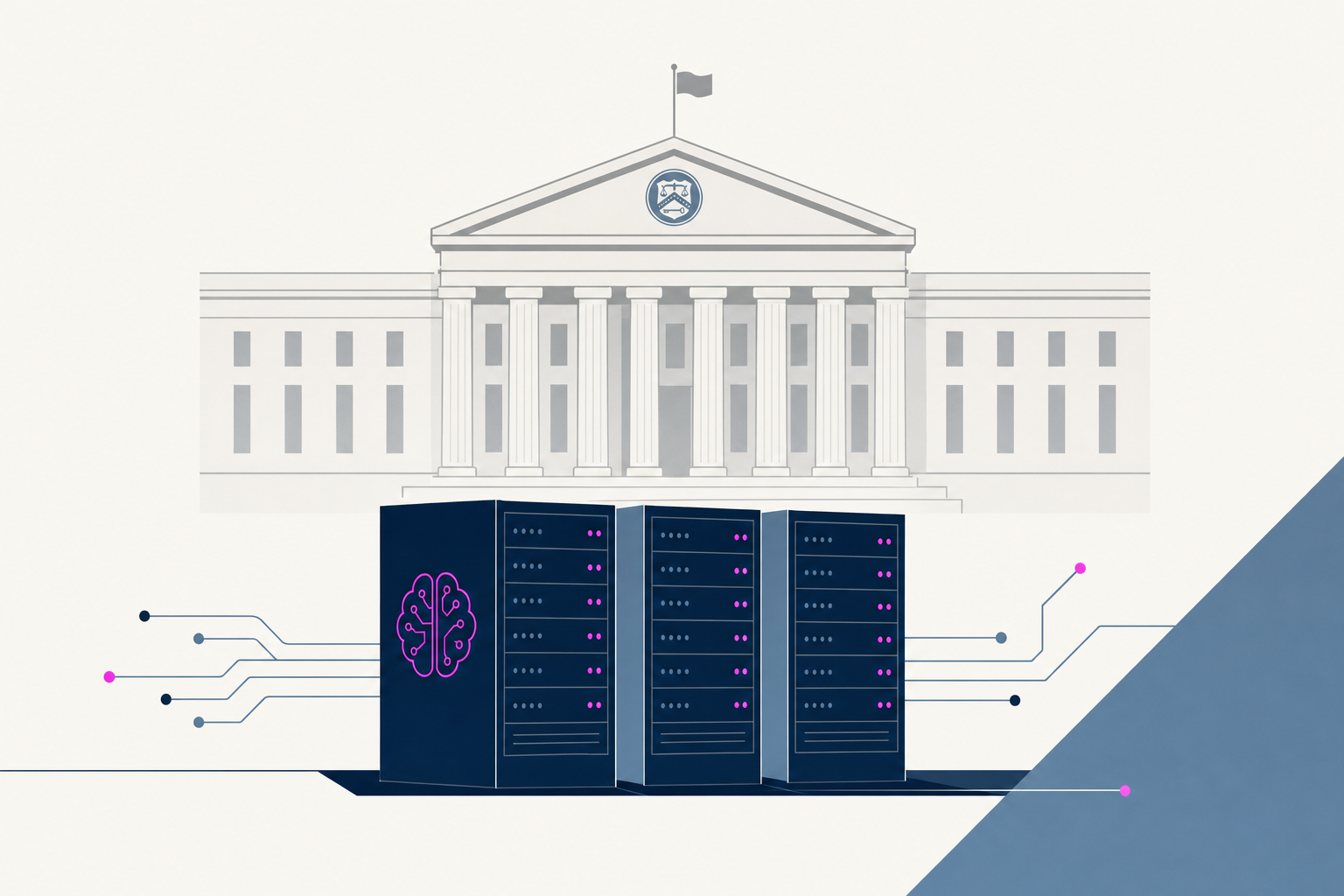
Donald Trump’s latest inflation message—“stupidity” blamed for higher prices—landed alongside a macro reality check: a stronger August jobs report and a bump in the 10-year Treasury yield to 4.79% on Friday. Beyond the politics, the bigger throughline is how markets are learning to price the administration’s next economic moves in the same breath as AI. If growth hinges on “AI-led productivity” while tariffs and tax cuts try to offset demand shocks, then the tolerance for surprises shrinks fast—especially when bond yields move and the policy channel starts looking like a lever rather than a guideline.
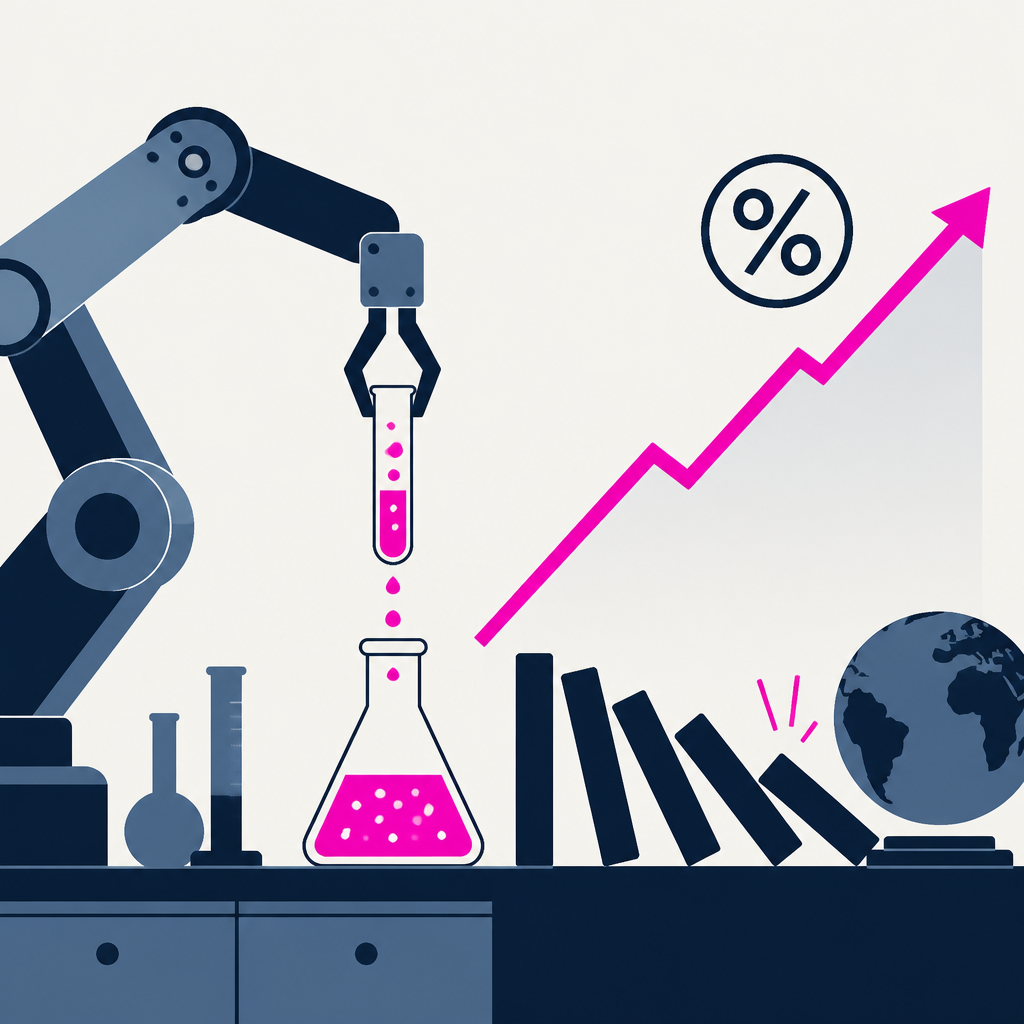
Trump also floated retaliation through trade restrictions for higher interest rates, a reminder that inflation, rates, and supply chains are increasingly entangled in the executive branch’s planning. For tech executives, the signal isn’t just rhetorical; it’s structural. Productivity gains from AI—software automation, faster operations, better forecasting—are the kind of argument that can coexist with trade friction because it targets internal efficiency rather than external cost. The near-term question is whether those AI productivity claims can be delivered quickly enough to matter before financial conditions tighten further.