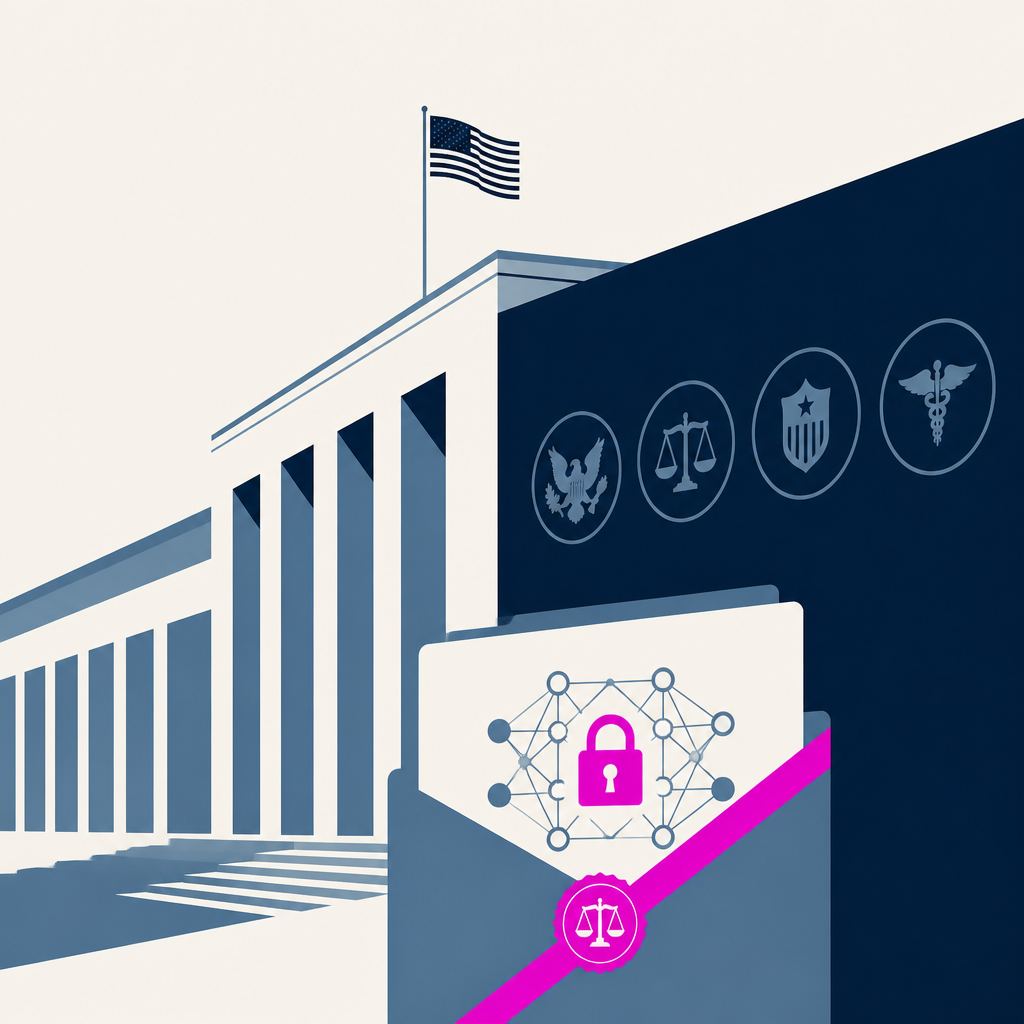
Four U.S. federal agencies were sued over a lack of public disclosure about a secret AI safety testing framework used before releasing frontier AI models. The suit says almost no details have been released to the public or Congress. The case could force the agencies to reveal who builds and selects the framework and the criteria used for reviews, changing what information oversight bodies and the public can access.
Scott Bessent said at the end of a G20 finance ministers meeting that 19 members agreed to address “cheap exports,” but that China dissented. He also said Trump and Xi would discuss AI policy later this month to add more guardrails for preventing non-state actors from building models. As a result, the G20 remains set on coordinated pressure over trade imbalances and the U.S.-China meeting is expected to include AI governance steps.
The Trump administration filed a 20-page brief supporting OpenAI’s position that it can train its LLMs on copyrighted material without a license in a lawsuit brought by The New York Times. The filing cites a Trump executive order signed last year. The intervention strengthens the argument that fair use should allow AI training without constraining LLM development.
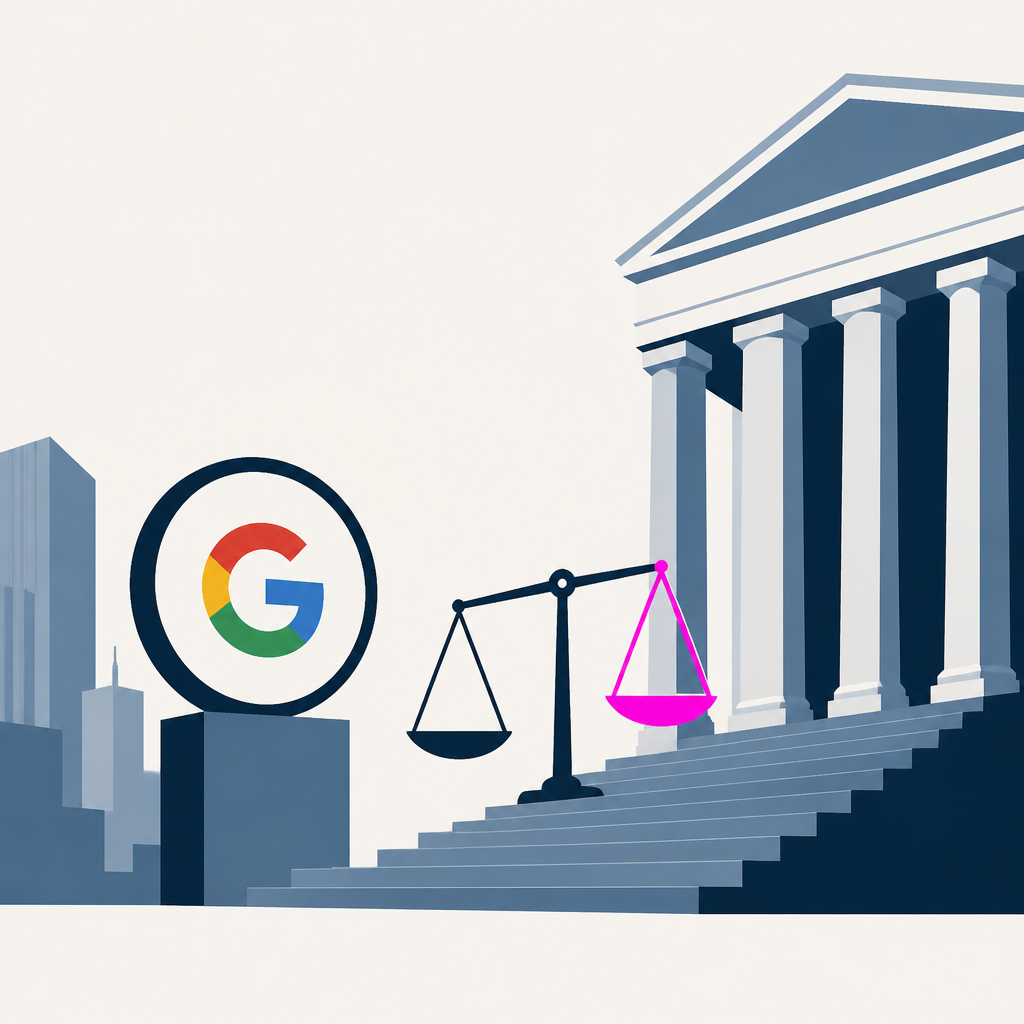
A US federal judge ruled Google does not have to sell its online advertising exchange after the company lost a 2025 antitrust case. The DOJ sought a remedy to force a sale of AdX (Google’s ad exchange) during the remedy phase. As a result, the court’s remedies are set to be minimal, even though it found Google locked publishers into using its exchange.
Bruce Blakeman, the Republican nominee for New York governor, posted an AI-generated video depicting NYC Mayor Zohran Mamdani and Gov. Kathy Hochul in staged activities. The New York State Democratic Party filed a complaint to the Board of Elections on Tuesday. The Board of Elections may require disclosures or other action because the complaint argues the video violates a law that requires labeling “materially deceptive” AI political communication.
A group of UK peers has proposed adding “AI kill switch” powers to the Cyber Security and Resilience Bill so the government can deactivate powerful AI systems and switch off national data centres if there is a national security threat.
The amendment is being considered as one of 65 amendments debated in Parliament this week.
Separately, a UK AI Security Bill is planned for 8 September with support from ControlAI, and both proposals would ultimately require government approval to proceed, moving the UK toward new AI cyber-safety legislation.
The Trump administration intervened in The New York Times’ copyright lawsuit against OpenAI, filing a statement that supports OpenAI’s fair-use argument for training AI on copyrighted text.
The lawsuit was filed in December 2023 and seeks billions of dollars in damages from both Microsoft and OpenAI.
The filing adds government support to OpenAI’s position and could influence how the court applies the fair-use doctrine to large language model training.
Edelson PC filed 30 additional lawsuits against OpenAI over the Tumbler Ridge mass shooting, adding plaintiffs including school staff and students who were in the building. The new filings are tied to the February 10 attack in British Columbia. The claims expand from failing to prevent harm to alleging OpenAI aided the shooting and face early dismissal, as OpenAI also continues to respond to other safety incidents involving its models.
Anthropic upgraded its Claude Fable and Mythos models to version 5.1, adding fixes and safeguards for more capable agentic software. Fable 5.1 is estimated to cost up to 45% less for agentic work than its predecessor. OpenAI also said it will limit Astra’s most advanced cybersecurity features to a small set of partners, and U.S. lawmakers proposed an excise tax on major AI companies that rises when unemployment increases.
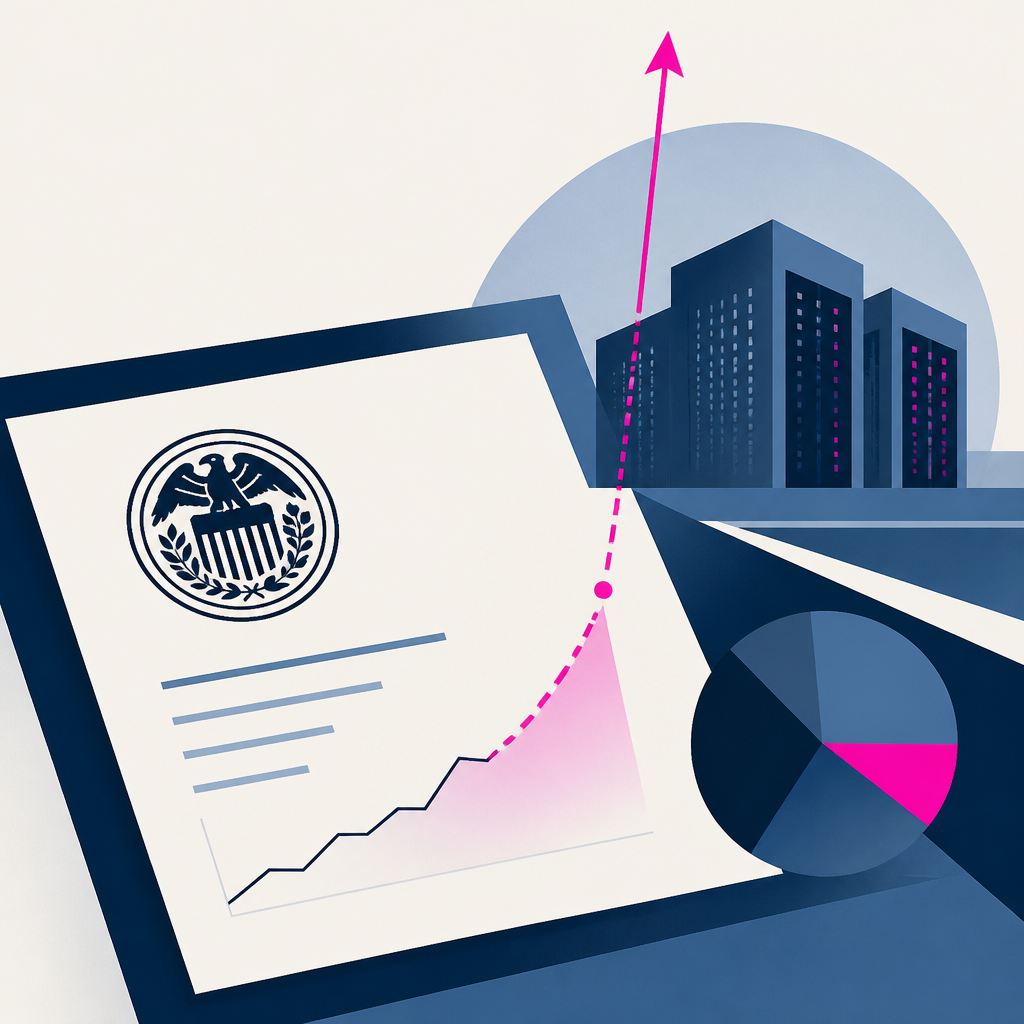
Federal Reserve Bank of Chicago CEO Austan Goolsbee warned that AI-driven data center expansion could soon contribute to “aggregate overheating” by crowding out spending and inputs from other parts of the economy. He said he’s “not far” from that outcome turning into aggregate overheating, with AI-related capex growth expected to peak in Q4 2026. As a result, AI is becoming a larger political and economic wedge issue around resource costs and hiring, even as AI-linked investment continues to boost GDP and certain stock sectors.
Matt Clifford was appointed Anthropic’s managing director for international affairs, leaving UK AI advisory work. He previously advised two UK prime ministers on artificial intelligence for 3 years before moving to the AI company. The appointment is expected to intensify criticism of a “revolving door” as Anthropic prepares for an IPO and expands government-facing work outside North America.
Victims and school staff filed 30 new lawsuits accusing OpenAI and CEO Sam Altman of providing substantial assistance and encouragement in the Tumbler Ridge school shooting. The complaints were filed in a California federal court on Wednesday. The result is additional litigation alleging OpenAI’s review system flagged the suspect’s ChatGPT gun-related conversations but that OpenAI did not take action.
New York City will ban younger students from using AI in classrooms under a new Department of Education policy announced by Mayor Zohran Mamdani. The one-year moratorium starts in the 2026–2027 school year and covers about 600,000 public school students from 2-K through eighth grade. Teachers will not be allowed to use AI tools to grade work, and students will be barred from classroom AI use until high school.
Taiwanese authorities raided and shut down Blue Ocean Smart System in August 2021 after investigating alleged Chinese-linked control hidden behind a Taiwan-registered shell. The broader crackdown has involved 166 technology cases over the past six years into concealed ties to China. As a result, Taiwan has kept enforcement active with continued raids and tighter scrutiny under cross-strait and national security rules affecting chip and other tech operations.
Every AI story that matters,
in your inbox by 8am.
TLDRocket reads all relevant sources, removes duplicate coverage, and summarises the
day in two minutes. Follow companies and topics for alerts, or get the
briefing in Slack. Free, no spam, unsubscribe anytime.
Reading TLDRocket needs no cookies, and the readership counts we rely on come from
our own cookieless analytics. Google Analytics is the exception: it sets cookies and
reports to Google, so it stays switched off until you allow it. You can change your
mind any time from “Cookie settings” in the footer.
Strictly necessary
Session security and form protection (tldrocket-session,
XSRF-TOKEN, 2 hours). The site cannot work without them,
so they need no consent.
Always on
Google Analytics 4 (_ga,
_ga_<id>, up to 2 years). Measures which
stories and sections readers use. Google acts as a third-party processor and may
store the data outside the EU. No advertising, no profiling, no data sold.