
IEEE Spectrum AI
·
4 weeks ago
AI systems have progressed from basic mathematical computation to solving unsolved problems and producing publishable research, with Google DeepMind's Aletheia achieving Ph.D.-level results and OpenAI's system disproving a conjecture in combinatorial geometry. Large language models combined with proof assistants are automating the formalization of mathematical proofs, removing a bottleneck that previously required mathematicians to manually translate informal proofs into machine-readable code. As AI increasingly handles mathematical problem-solving, mathematicians must reconsider whether their value lies primarily in obtaining answers or in the deeper satisfaction found in the struggle to understand complex ideas.
TheSequence
·
1 month ago
● 2 sources
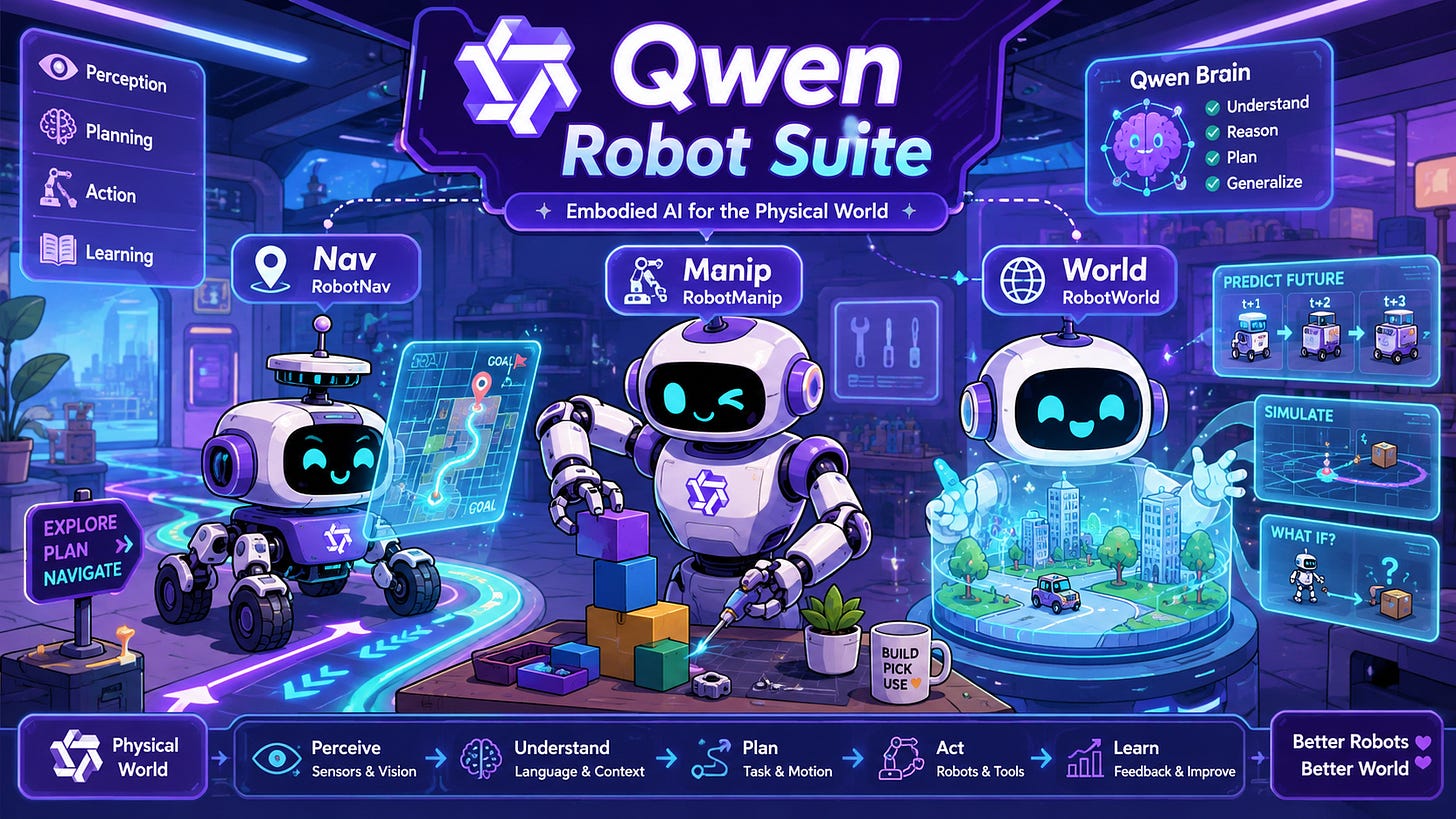
Alibaba's Qwen team released three new robotics models—Qwen-RobotNav, Qwen-RobotManip, and Qwen-RobotWorld—designed to translate visual understanding into robotic actions. The models address the gap between perception and physical execution, with the main bottleneck identified as converting visual understanding into motor commands rather than general intelligence. This shift enables Qwen's language models to move beyond text and image tasks into controlling physical robotic systems.
Allen Institute (AI2)
·
1 month ago
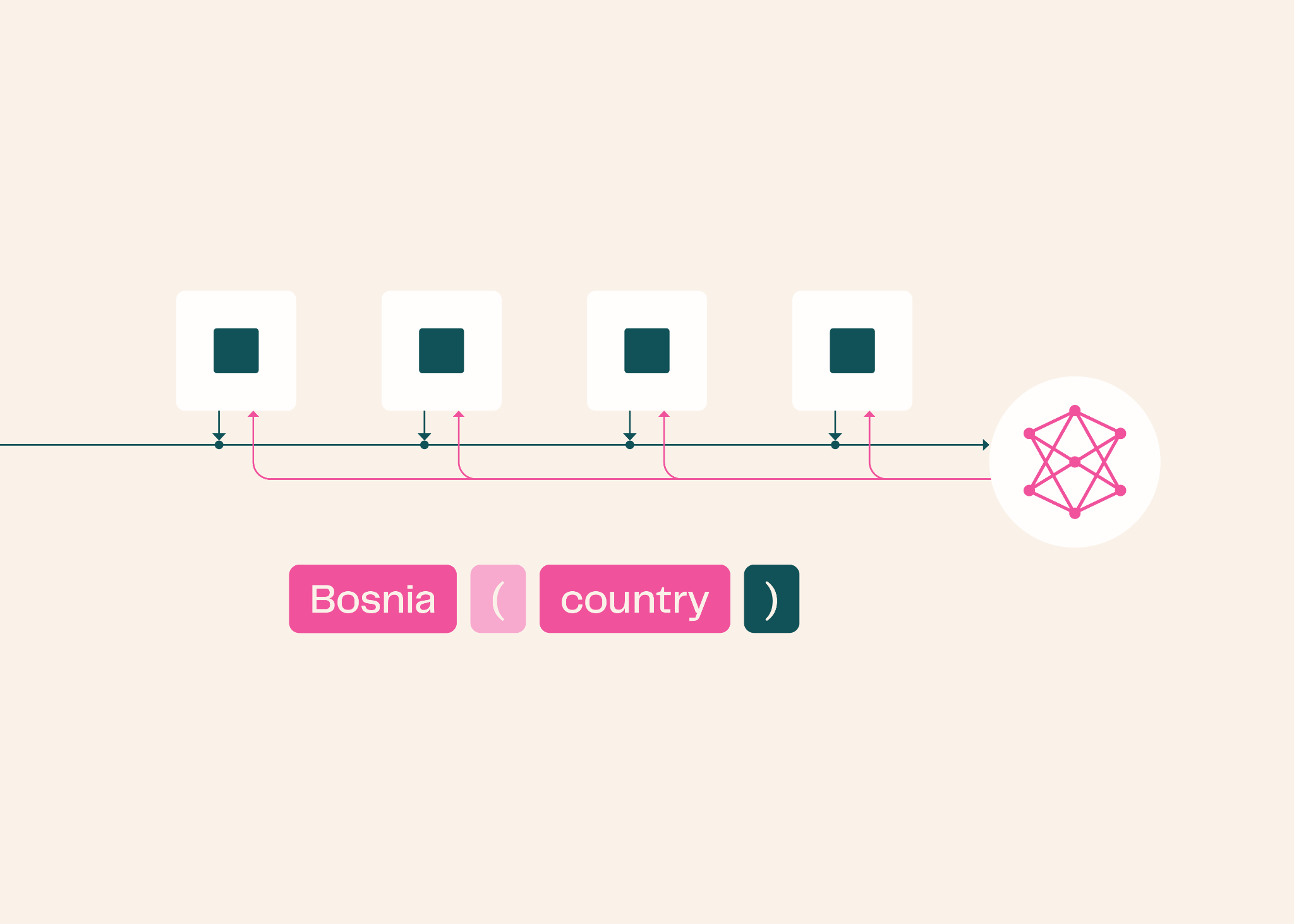
Researchers compared Olmo 3 (a transformer) and Olmo Hybrid (a hybrid architecture) by analyzing how well each predicted different token types, finding that hybrid models excel at predicting content words like nouns and verbs with a loss gap of 0.04 compared to 0.02 on function words, while transformers maintain their advantage on tokens that repeat verbatim from earlier in the passage. The study used regression analysis across passages of prose, code, and structured text to isolate architecture-specific strengths. This fine-grained token-level analysis suggests that hybrid architectures warrant further development and that single overall loss metrics are insufficient for comparing different model architectures.
OpenAI Blog
·
1 month ago
OpenAI's research paper documents how AI agents are handling longer and more complex tasks, expanding their application across different work roles. The paper demonstrates agents completing multi-step processes that previously required sustained human attention and decision-making. Organizations can now delegate more intricate workflows to AI systems, reducing manual intervention in routine and complex work alike.
