UiPath reported second-quarter results that beat analyst expectations, but its stock reversed after-hours despite the headline revenue and profit gains. The company said revenue rose 13% to $410 million and raised its fiscal 2027 revenue outlook to a range of $1.789 billion to $1.794 billion. The update led investors to push the shares down more than 7% after the initial 10%+ jump, while UiPath leaned on AI-agent automation and executive changes to reassure customers and markets.
Nvidia agreed to buy Hugging Face for just over $12.93 billion, after acquisition talks that reportedly began a few weeks earlier. The deal is valued at $12.9B. Nvidia says Hugging Face will keep supporting multi-chip and multi-cloud AI projects, while Nvidia gains data on which datasets, models, and architectures are being used.
Accel is reportedly in talks to lead a $1 billion funding round for Thinking Machines, an AI lab founded by Mira Murati.
The reported terms include a valuation of at least $40 billion.
If completed, the round would drop the company below a previously sought $50 billion valuation, while it continues building its AI platform and open-weight model Inkling.
Meta introduced contributor pricing for its Muse Spark AI coding model that discounts usage if users share their prompts and outputs for future training. For inputs, 1 million tokens drop from $1.25 to 10 cents, and outputs drop from $4.25 per million to 20 cents under the contributor tier. This changes user incentives toward providing data for evaluating and improving agentic tools while Meta compensates companies for that information.
Spouses and adult children of the world’s billionaires are expected to inherit a third of the global billionaire fortune over the next decade, based on an Altrata report. About $6.6 trillion of billionaire wealth is projected to transfer to roughly 5,000 family heirs by 2035. The shift will broaden ownership—especially through more than 1,235 female partners—and move some inheritances into business and investment roles shaped by younger, more digitally focused heirs, alongside broader AI-era and geopolitical pressures on succession planning.
Forward-deployed engineers are being sent to customers’ offices to configure AI tools, integrate software, and deliver business-focused deployments. Job postings for the role grew more than 1000% from January to August 2026 versus the same period in 2025, and median advertised pay is over $188,000 compared with roughly $145,000 for traditional software engineers. As AI deployment demand rises, companies increasingly adopt this model and offer higher-paying, customer-facing positions that blend ML/generative AI work with production and consulting skills.
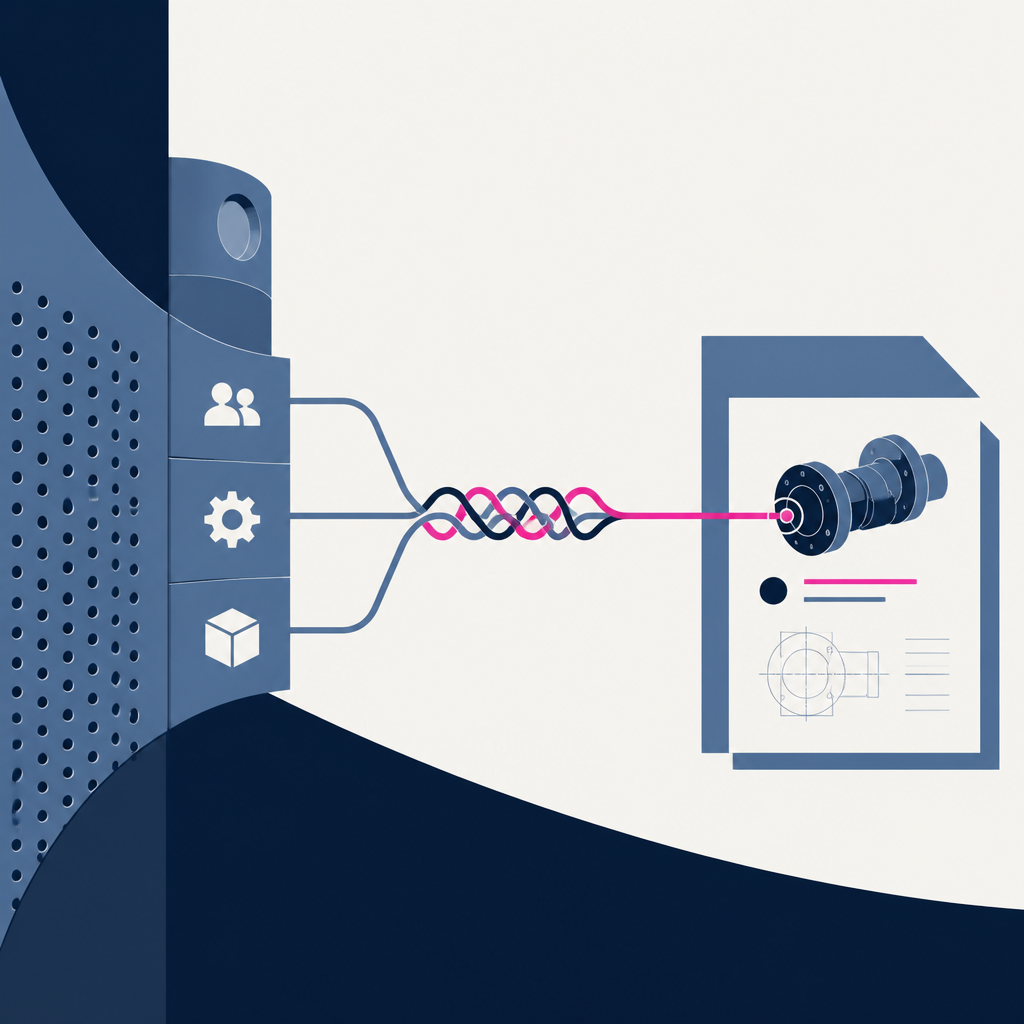
Atira, a Munich startup, raised $17.5 million to automate industrial bid creation by having AI agents generate documentation, configurations, and pricing from customer requests. The funding includes a $15 million seed round led by Accel plus a $2.5 million pre-seed. The startup’s platform is already in full production with about 15 customers, and the new cash will mostly fund engineering and its first non-founder commercial hires.
Jessica Fischer, Charter Communications’ CFO, is leaving to become CFO of a Blackstone–Google AI computing infrastructure joint venture. Blackstone is committing an initial $5 billion in equity to the venture. Charter appointed Kevin Howard as interim CFO and Fischer’s move signals finance leadership shifting toward AI infrastructure buildouts.
Nvidia agreed to acquire Hugging Face in a $12.9 billion deal and says the platform will stay open despite Nvidia control. The announcement includes a projected closing date in the first half of 2027. As part of the acquisition, Nvidia promises Hugging Face will remain compute-agnostic and continue supporting multiple clouds and accelerators so developers can deploy open models without requiring Nvidia compute.
Nvidia agreed to buy AI platform Hugging Face in a bid to expand from AI chips into software. The deal is valued at about $12.9bn (£9.5bn). Nvidia will pay about $11.9bn to Hugging Face investors and offer up to $1bn in stock incentives, while saying Hugging Face will remain open and not force users onto Nvidia chips or services.
Nvidia confirmed its plan to buy Hugging Face, the open-source AI model repository, for $12.93bn. The acquisition is expected to close in the first half of 2027. Nvidia says it will scale the Hugging Face platform, strengthen its infrastructure, and expand access to AI for developers and institutions.
Atira raised seed funding to expand its AI orchestration platform for automating industrial sales engineering. The company disclosed a $17.5 million total round ($15 million seed plus a $2.5 million pre-seed) and is building tooling that connects CRM, ERP, and CPQ to generate tailored technical documentation, configurations, and pricing. The funding will be used to grow its go-to-market team, speed product development, expand internationally, and extend the platform into adjacent workflows like pricing intelligence, aftersales, and supplier coordination.
Nvidia agreed to buy AI model platform Hugging Face for $13 billion. The deal price is $13 billion. The acquisition shifts Hugging Face’s ownership under Nvidia, aiming to accelerate the spread of open-weight models.
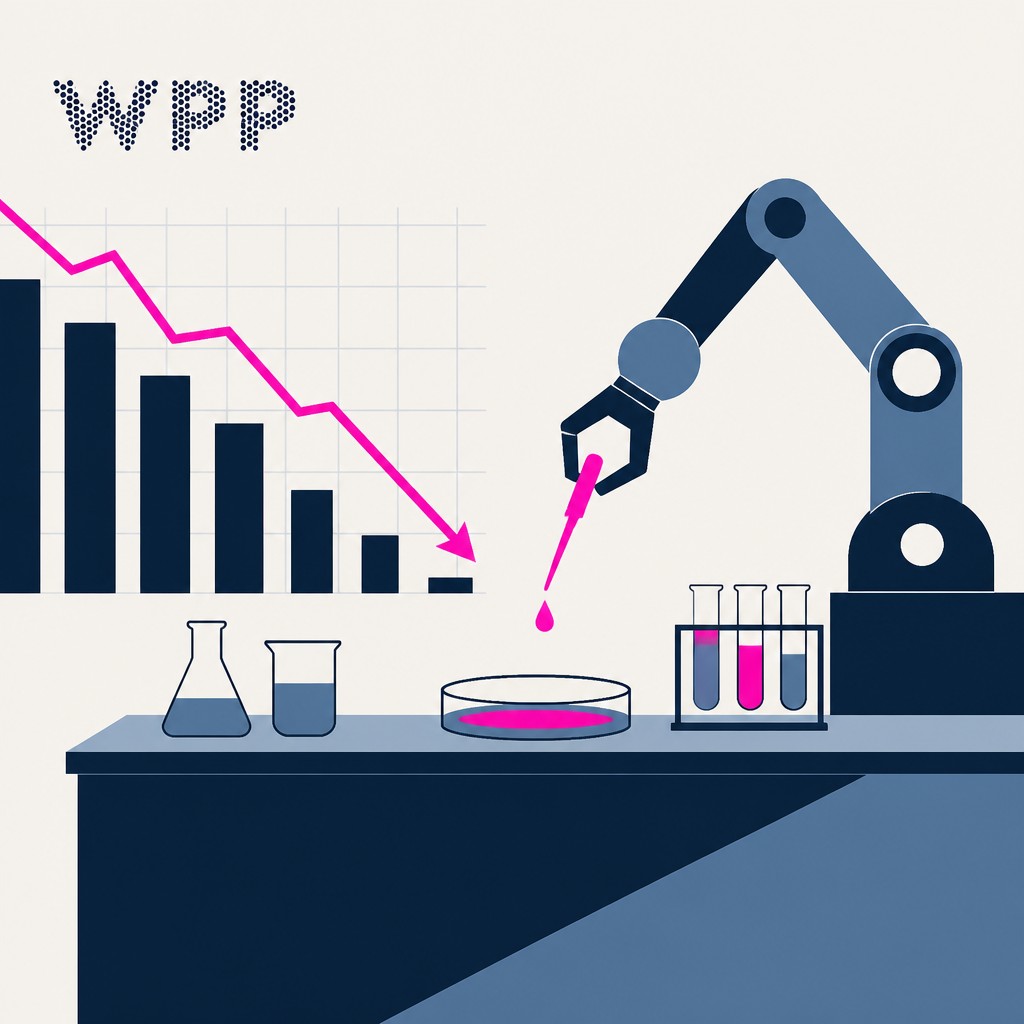
WPP’s slide from FTSE 100 membership and sharp market-value and staffing decline is used to argue that the traditional advertising-agency business model is being undermined by how AI changes pricing and incentives.
Nvidia confirmed it will acquire Hugging Face after weeks of rumors. Nvidia will pay $12.93 billion for the platform. Nvidia said Hugging Face will keep supporting open-source/open-weight models while expanding developer access, and Nvidia compute will not be required to use or deploy through Hugging Face.
Nvidia agreed to acquire Hugging Face to expand the infrastructure behind the open-model platform. Nvidia will pay $12,930,300,000. Hugging Face will remain open, keep its team and brand, and NVIDIA compute will not be required to build on or deploy through it, though the deal still needs formal completion and may face antitrust scrutiny.
askpolly, formerly Advanced Symbolics Inc., closed a $3 million seed round to expand its platform that turns social media chatter into statistically valid market research. The funding supports growth after the company said it will generate results within a matter of minutes using its Copilot-certified AI agent. It shifts market research from surveys taking weeks to an AI-assisted workflow that filters for real people and supports follow-up questions, with claimed usage by 200+ companies.
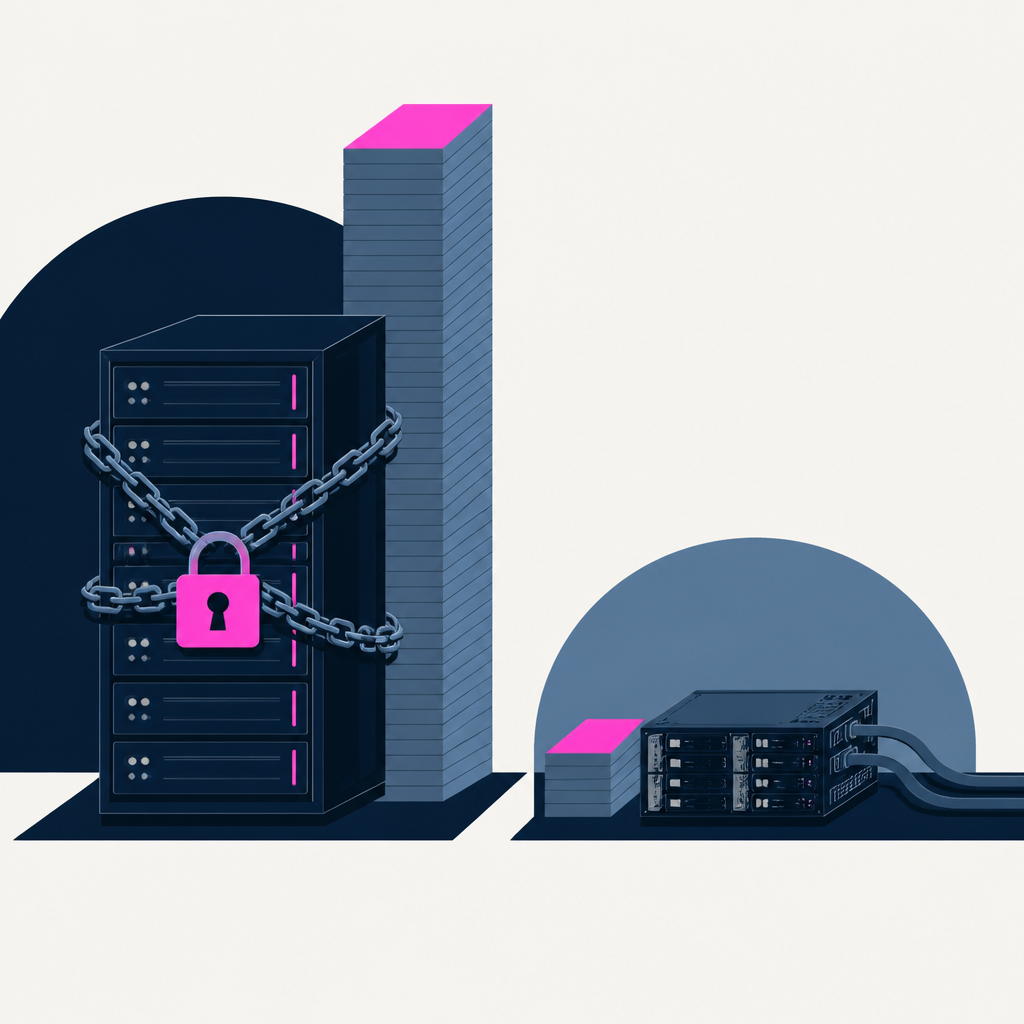
Secondaries buyers report that Anthropic shares are seeing much higher pre-IPO demand than OpenAI shares, with Anthropic tightening access to its cap table. Access to Anthropic is described as difficult below $25 million, while OpenAI typically takes about $500,000 to $1 million. As a result, smaller investors face reduced ability to buy Anthropic, while OpenAI appears more attainable in the secondary market.
NVIDIA agreed to acquire Hugging Face. The deal price is $12,930,300,000. Hugging Face will remain an open platform supporting multi-cloud and open-weight models, with no required NVIDIA compute to use or deploy on it.
Souk, a London-based startup founded by former Deel, GitHub, and BlackRock employees, raised investment to build an AI agent aimed at B2B partnerships. The round totals $1.6 million, led by Sure Valley Ventures with Antler and Fuel Ventures also participating. The funding is set to move the startup from early work toward developing and deploying its AI agent product.
The Sequence Opinion argues that as AI capability becomes more reproducible, the economic “moat” of being first erodes and gets replaced by more fluid advantages like smaller models, routing, and distillation. It cites “six months” later when another lab matches similar capability and an open model delivers most of it “at a fraction of the price.” The takeaway is that durable value shifts from costly, first-mover training to barriers that aren’t easily replicated by predictable scaling and accessible tooling.
Dutch tech companies raised approximately €1.9 billion in H1 2026, with capital concentrated in a small number of the largest later-stage rounds. The biggest individual figure cited is €570.5 million directed to semiconductors during the period. Funding skewed toward later-stage deals while earlier-stage rounds stayed more fragmented, and the largest sector shares were semiconductors by total funding and healthtech by deal count, with quantum also drawing substantial investment.
Factorial acquired the Berlin AI startup Empion and brought its team and leadership into Factorial’s German operations. The acquisition was valued alongside Factorial’s recent Series D at $2.5 billion, but the purchase price for Empion was not disclosed. Over time, Empion’s AI talent-assessment technology will be fully folded into the Factorial platform, with existing Empion customers seeing no immediate contract changes.
Zeit AI raised €5 million to expand ZeitMind, its autonomous data engineering platform aimed at mid-sized European firms.
The funding round totaled €5M.
As a result, Zeit AI plans to broaden its reach and hire additional engineers to deploy ZeitMind for connecting, cleaning data, and building analytics-ready applications without adding headcount.
Nvidia agreed to buy Hugging Face, bringing the open-source model and dataset hosting platform under the ownership of the AI chipmaker. The deal price is $12.93 billion. Hugging Face will shift from independent ownership to being part of Nvidia, changing its platform ownership and likely its investment priorities for AI tooling and hosting infrastructure.
Zeit AI, a Munich startup by two ex-Palantir employees, raised a €5 million seed round for its AI data analyst product, ZeitMind. The round closed with backing that included Y Combinator, Oxford Seed Fund, Sequoia Capital Scout Fund, ACE Ventures, and HPVC. The funding expands staffing to 12 employees and supports plans to open a London office next year.
Wictory is acquiring the Texas service platform The Sports Nutrition Playbook to enter the U.S. market faster under the Wictory.com umbrella. The deal’s target market is U.S. youth sports, sized at about 40 billion dollars. The company shifts from Wictory.ai to Wictory.com and adds 30+ sports dietitians plus a U.S. insurance-billing reimbursement model while keeping existing shareholders onboard.
Wonderful raised a $550 million Series C to build an enterprise “AI operating system” spanning AI agents, workflows, and governance. The round valued the company at $5 billion. With the funding, Insight Partners plans to help Wonderful triple its Israel development centre while the rest supports product development and expanding deployment teams globally, as it continues expanding its multi-market customer-service rollout.
Souk raised $1.6 million in pre-seed funding to build an AI-powered partner management platform aimed at reactivating inactive B2B partner relationships. The round totals $1.6M and is led by Sure Valley Ventures, with participation from Antler and other investors. The company will use the money entirely for product development of Coco, its autonomous AI agent for partner sourcing, engagement, monitoring, and payouts.
Backbone raised €4 million in pre-seed funding to develop its AI-powered food quality and compliance platform and expand commercially. The round totals €4 million and was led by Pitchdrive with participation from PROfounders Capital, Passion Capital, 100IN, and Belgian food industry investors. The platform will be extended with AI agents that automate quality management tasks like tracking supplier certificates and checking lab or incoming documents, plus a centralized dashboard for tracking gaps and incidents.
Microsoft is changing its financial reporting by moving to two business segments and adding quarterly Azure revenue disclosure for the first time. The update will split results into Agents and Infra and Devices and Consumer. As a result, investors will see Azure revenue each quarter and Microsoft’s segment definitions will shift compared with the old three-segment structure.
Every AI story that matters,
in your inbox by 8am.
TLDRocket reads all relevant sources, removes duplicate coverage, and summarises the
day in two minutes. Follow companies and topics for alerts, or get the
briefing in Slack. Free, no spam, unsubscribe anytime.
Reading TLDRocket needs no cookies, and the readership counts we rely on come from
our own cookieless analytics. Google Analytics is the exception: it sets cookies and
reports to Google, so it stays switched off until you allow it. You can change your
mind any time from “Cookie settings” in the footer.
Strictly necessary
Session security and form protection (tldrocket-session,
XSRF-TOKEN, 2 hours). The site cannot work without them,
so they need no consent.
Always on
Google Analytics 4 (_ga,
_ga_<id>, up to 2 years). Measures which
stories and sections readers use. Google acts as a third-party processor and may
store the data outside the EU. No advertising, no profiling, no data sold.