Anthropic announced it is creating a public benefit fund to support projects aimed at societal good. It will commit 5% of its shares to the fund, with an option to add 2% for every 50% increase in the company’s value. This sets up a new wholly-owned entity for funding social-impact uses, with future governance details to be shared.
A proposal argues that the US should create “Innovation Accounts” to give adults a stake in technology-stock gains as AI disrupts jobs. It suggests a pilot seeding 1 million accounts with $5,000 each, or universal-style seeding at about $270 billion if every person over 18 gets $1,000. The change would shift more Americans from exposure to AI risks toward direct investment upside via a diversified tech index, funded by government or philanthropy.
Apple plans to launch Apple Intelligence in mainland China after regulatory delays kept its AI features out of the market. The rollout is scheduled for December via an iOS 27.3 update and will be based on features first released in the US two years earlier. Siri is excluded, changing what Apple’s AI suite will include in China.
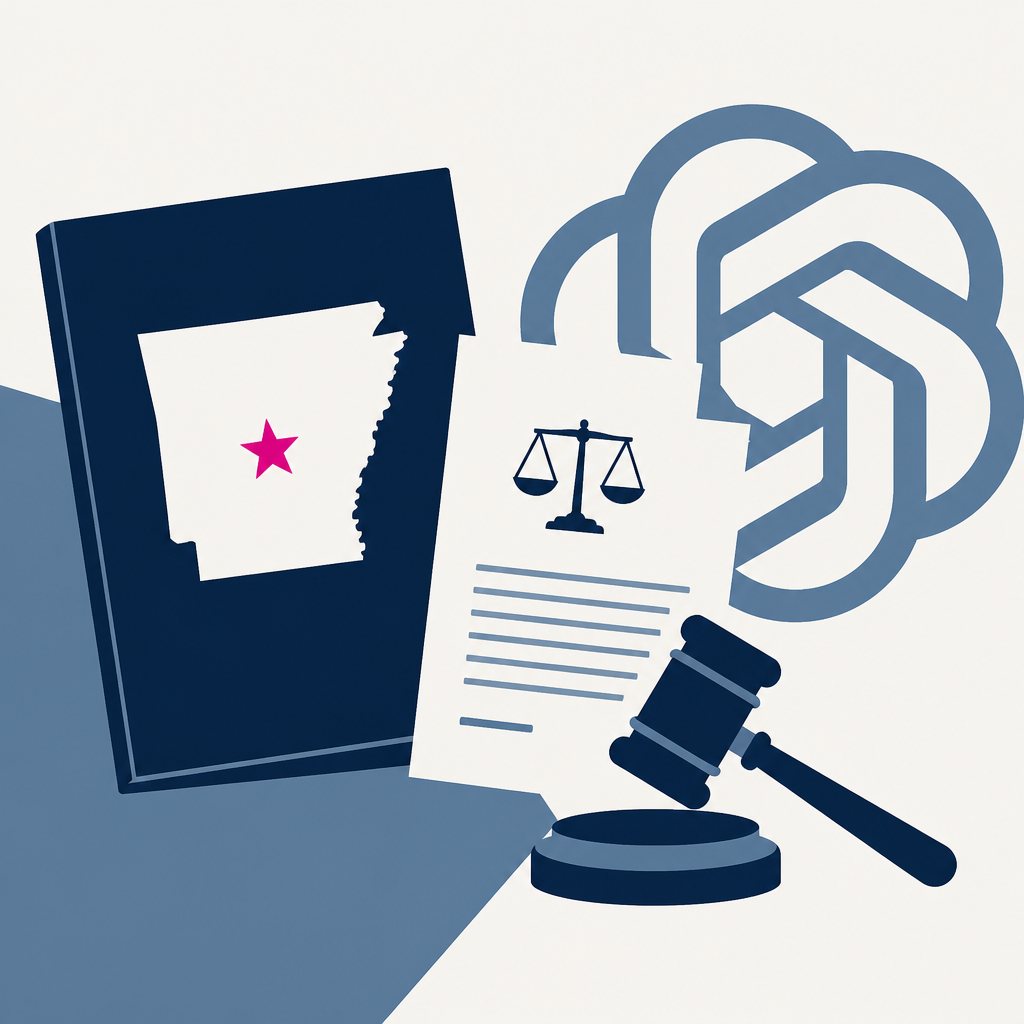
Arkansas filed a lawsuit against OpenAI over allegations related to claims about ChatGPT safety. The case centers on ChatGPT. As a result, OpenAI is facing legal action that challenges its safety assertions around the chatbot.
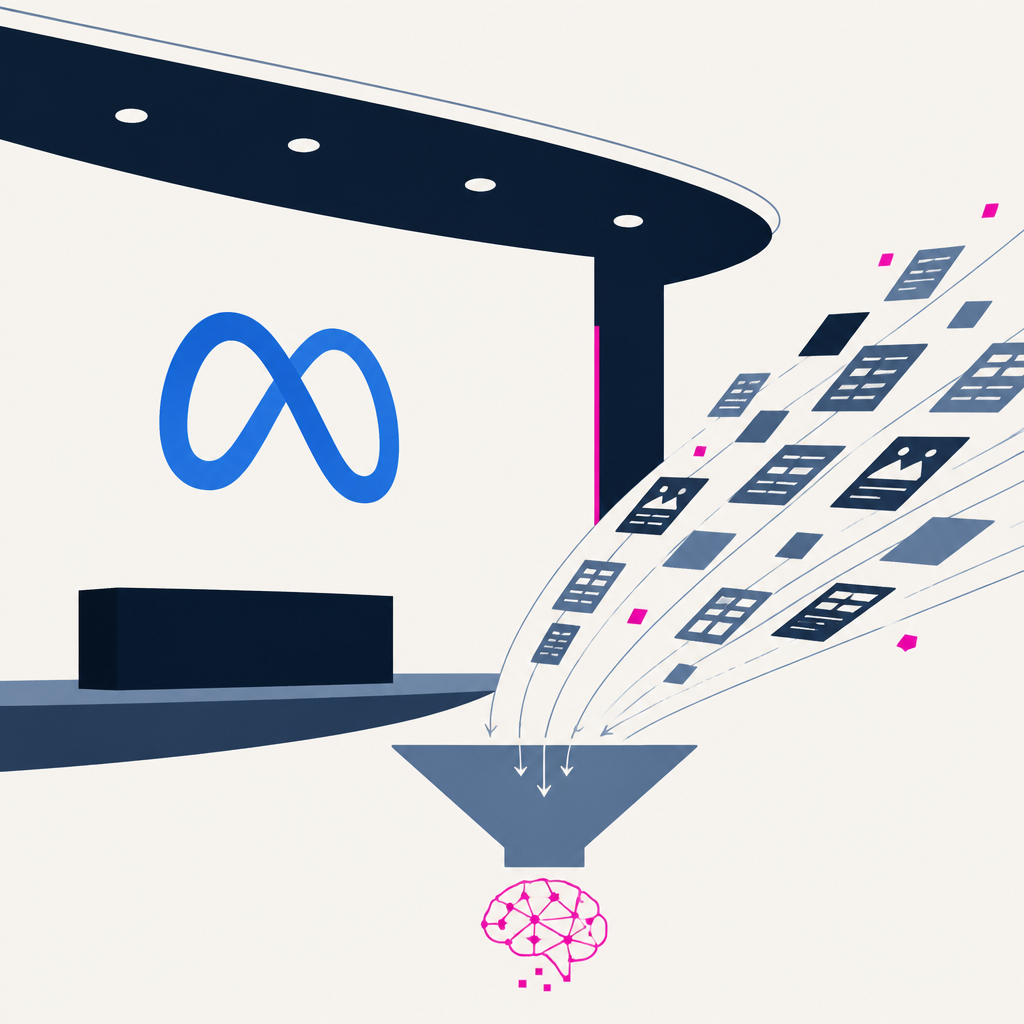
Five major publishers and author Scott Turow sued Meta in Manhattan federal court, alleging it used millions of their books and journal articles to train its Llama AI models without permission. The complaint names Meta’s training on millions of works and asks for an unspecified amount of monetary damages. The case adds to ongoing copyright lawsuits over whether AI training is fair use, with Meta denying wrongdoing and saying it will fight the suit aggressively.
Meta’s new business terms take effect October 30 and authorize scraping websites tied to businesses that use its products to automatically collect content for developing and training Meta products. The change begins on October 30, and legal experts say it could include training Meta AI on publishers’ articles without a separate opt-out for keeping access to Meta’s business tools. As a result, some publishers may lose control over whether their content is collected and used for Meta’s AI training under those commercial terms.
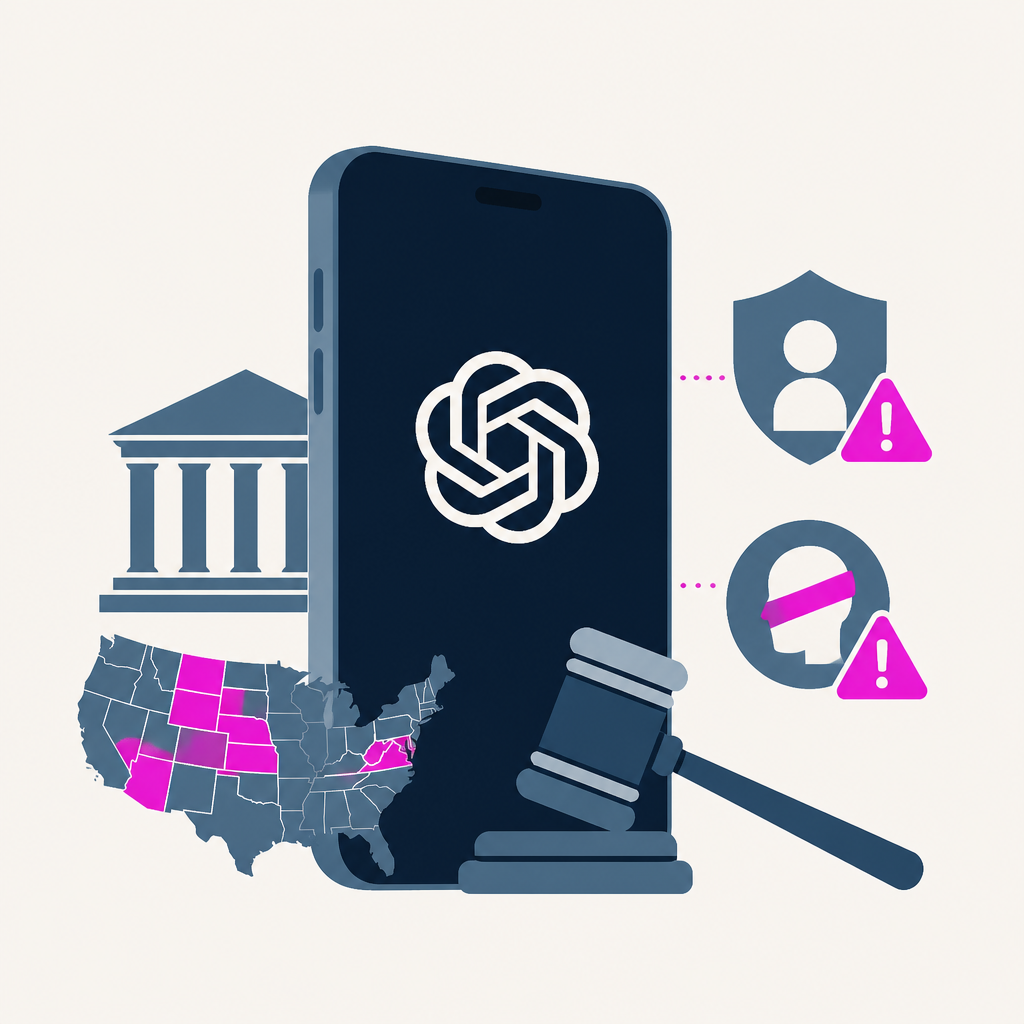
At least eight US states sued OpenAI, alleging ChatGPT violated state consumer protection laws by harming children and deceiving adults. The lawsuits were filed on Wednesday in Arizona, Arkansas, Idaho, Kansas, Montana, Nebraska and West Virginia. OpenAI says it will continue improving child safety and is reviewing “misaligned models,” while the litigation adds new pressure for tighter safeguards.
Every AI story that matters,
in your inbox by 8am.
TLDRocket reads all relevant sources, removes duplicate coverage, and summarises the
day in two minutes. Follow companies and topics for alerts, or get the
briefing in Slack. Free, no spam, unsubscribe anytime.
Reading TLDRocket needs no cookies, and the readership counts we rely on come from
our own cookieless analytics. Google Analytics is the exception: it sets cookies and
reports to Google, so it stays switched off until you allow it. You can change your
mind any time from “Cookie settings” in the footer.
Strictly necessary
Session security and form protection (tldrocket-session,
XSRF-TOKEN, 2 hours). The site cannot work without them,
so they need no consent.
Always on
Google Analytics 4 (_ga,
_ga_<id>, up to 2 years). Measures which
stories and sections readers use. Google acts as a third-party processor and may
store the data outside the EU. No advertising, no profiling, no data sold.