Why teens deserve access to safe AI
OpenAI

OpenAI says it's rolling out new safety layers for teen ChatGPT users. Think age checks, parental controls, and expert-built guardrails, not just a filter slapped on top.
Based on reporting by OpenAI — read the original for the full story.
Summary, retelling and take written by AI under human oversight; images are AI-generated illustrations. How we work · Report an error
OpenAI is trying to thread a needle that most of Silicon Valley has fumbled for a decade: how do you let teenagers use a powerful, addictive product without turning it into a liability machine for their mental health. The company's new push frames ChatGPT for teens as something that needs age-appropriate protections built in from the start, rather than bolted on after a scandal forces the issue.
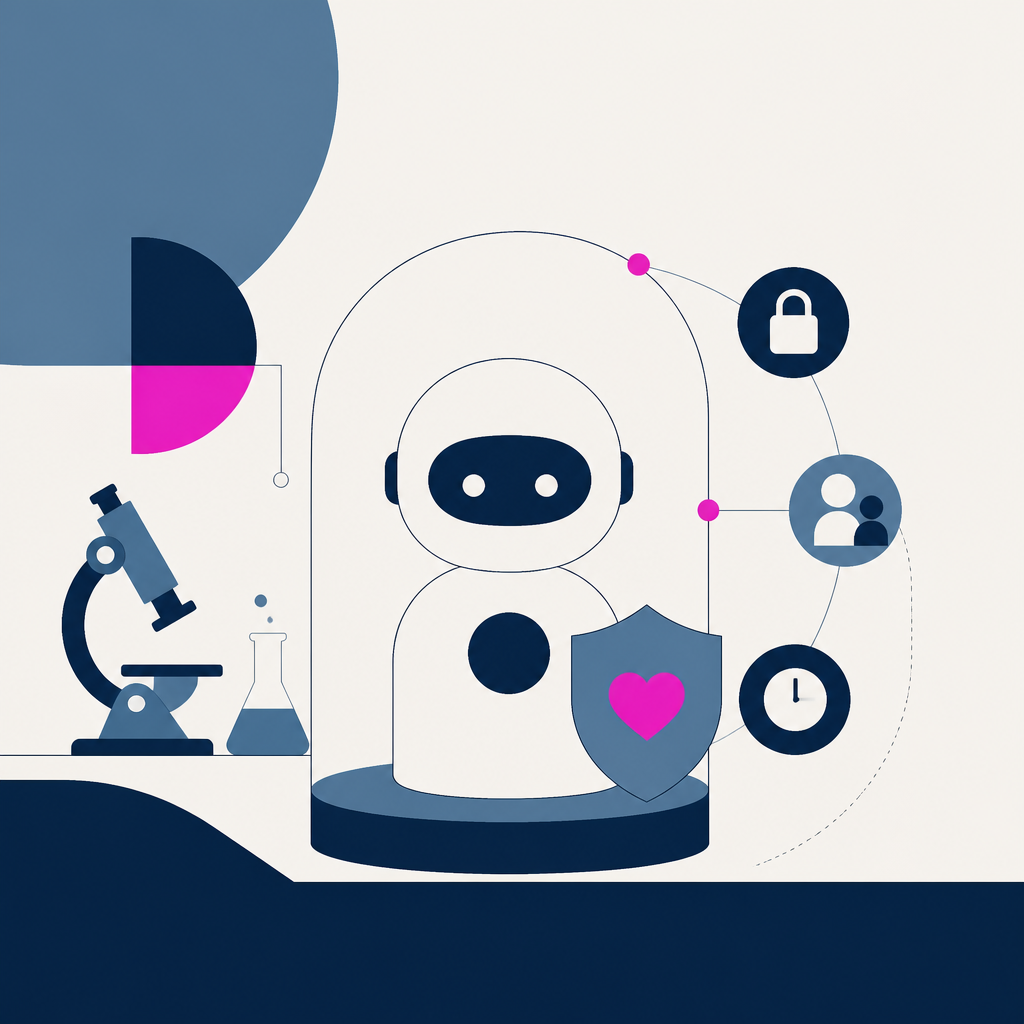
The details OpenAI is sharing point toward a layered approach. There are learning tools meant to make the product genuinely useful for schoolwork and curiosity rather than just entertainment or shortcut-taking. There are parental controls, giving guardians a way to see and shape how their kids interact with the model. And there's an emphasis on expert partnerships, bringing in child psychologists, safety researchers and educators to sanity-check what a teenager should and shouldn't be able to get out of a chatbot.
This matters because the alternative, banning teens outright or pretending they aren't using these tools, has already failed with social media. Kids find workarounds. They lie about their age. They use a parent's account. If a company builds nothing for that reality, it just cedes the space to less careful actors or to teens using the adult version with none of the guardrails at all.
What's notable is the framing itself: safe access, not restricted access. OpenAI isn't positioning this as a compliance checkbox to satisfy regulators worried about AI and minors, though that pressure is obviously part of the calculus. It's positioning teen safety as core product design, on the same level as making the model smarter or faster. Whether that holds up once ChatGPT is genuinely embedded in how a fourteen-year-old does homework, remains the real test.
My take — AI-written commentary, not fact-checked reporting
I'd rather see AI companies build for teenagers openly than watch them use the grown-up product in secret with zero guardrails, which is exactly what's happening right now across every school I've heard from. Parental controls and expert input are the bare minimum, not innovation, and I'll believe this is more than a PR shield once OpenAI publishes real data on what changed for actual teen users, not just a features list.
Read more about this at: OpenAI