Using AI to help physicians diagnose rare genetic diseases affecting children
OpenAI
Researchers used an OpenAI reasoning model to help doctors crack rare pediatric disease cases. It cracked 18 diagnoses that had stumped specialists for years.
Based on reporting by OpenAI — read the original for the full story.
Summary, retelling and take written by AI under human oversight; images are AI-generated illustrations. How we work · Report an error
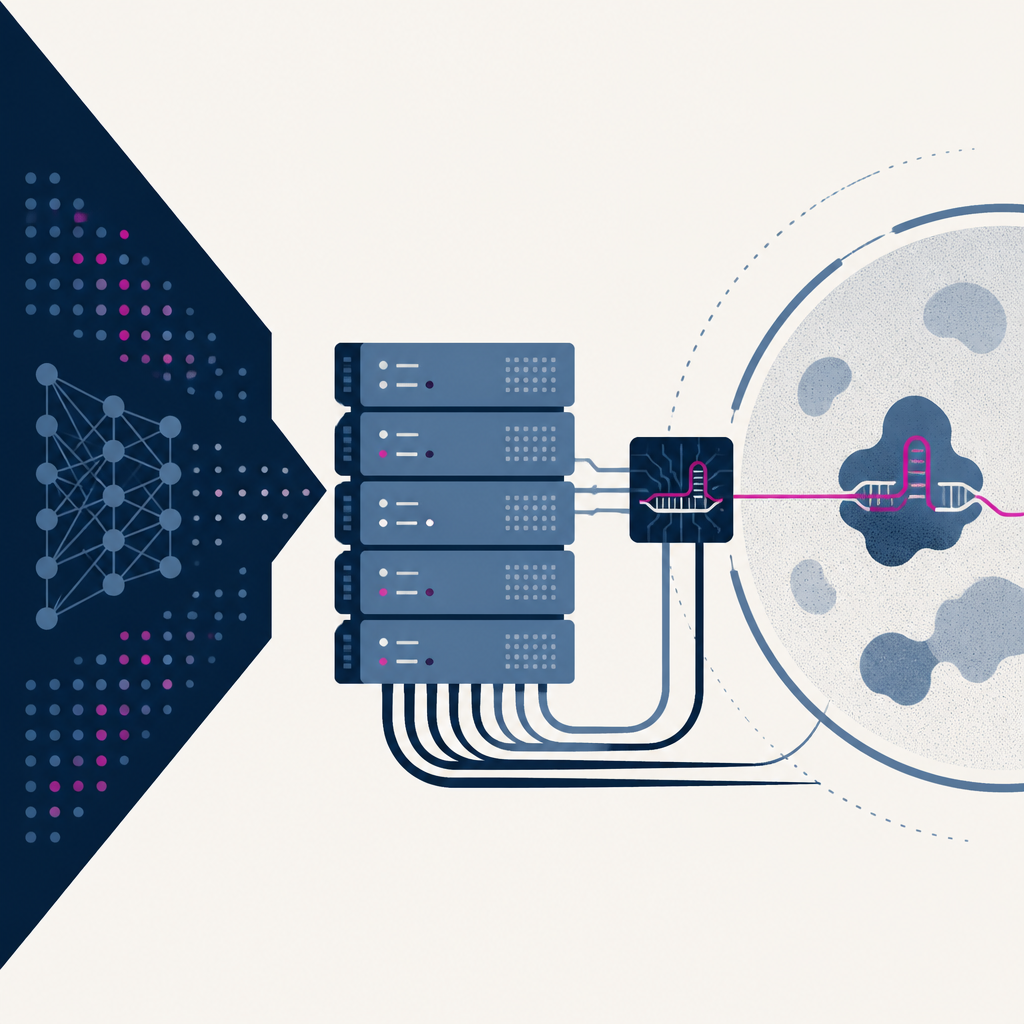
For families stuck in the diagnostic wilderness with a sick kid and no name for what's wrong, years can pass between the first symptom and an actual answer. That gap is exactly where a new pilot project decided to point an OpenAI reasoning model. Researchers fed it previously unsolved rare disease cases, the kind that had already been through genetic testing, specialist referrals and the usual medical dead ends, and asked it to help physicians find what everyone else had missed.
The result: 18 new diagnoses came out of cases that had gone unsolved, some for a long stretch. That's not a small number in a field where a correct diagnosis can mean the difference between a targeted treatment and years of guessing. Rare genetic diseases affecting children are notoriously hard to pin down because each condition individually is uncommon, symptoms overlap across dozens of possible disorders, and the doctors best equipped to spot the pattern might only see a handful of similar cases in an entire career.
What's notable here isn't that an AI model replaced clinicians. It didn't. The setup paired the model's reasoning with physicians who still made the final calls, using the tool to sift through medical literature, genetic data and symptom clusters faster than a human could alone. Reasoning models are built to work through multi-step problems methodically rather than just pattern-match on training data, which turns out to matter a lot when a diagnosis depends on connecting a rare mutation to an obscure phenotype buried in a case report from 2003.
This fits a broader trend of AI showing up in the unglamorous, high-stakes corners of medicine rather than the flashy ones. Rare disease diagnosis has always been a numbers problem as much as a knowledge problem, and giving physicians a tool that can hold thousands of data points in its head at once changes the math. Eighteen families now have answers they didn't have before. That's a modest number against the scale of undiagnosed rare disease worldwide, but for each of those 18, it's the whole story.
My take — AI-written commentary, not fact-checked reporting
This is the version of AI-in-medicine I actually want to see: not a chatbot playing doctor, but a reasoning engine doing the tedious cross-referencing that burns out specialists, while humans keep the final say. Rare disease diagnosis is a genuinely good fit for these models because the problem is combinatorial, not creative, and that's precisely where reasoning systems outperform intuition. I'd rather OpenAI ship ten more quiet pilots like this than another flashy consumer demo.
Read more about this at: OpenAI