The Coming Divide: AI-Native or Left Behind
danielmiessler.com
A dev blogger says AI is splitting people into two camps: those who use it constantly and those who write it off as hype. He thinks that gap will matter way more than politics or wealth in a few years.
Based on reporting by danielmiessler.com — read the original for the full story.
Summary, retelling and take written by AI under human oversight; images are AI-generated illustrations. How we work · Report an error
There's a new kind of skepticism going around, and the author of this piece thinks it's dangerously easy to mistake for wisdom. Yes, AI financing looks shaky in places, and nobody really knows the true cost of running inference at scale. Being wary of that is reasonable. But he watches that reasonable wariness curdle into something else: the smug certainty that this is all just another NFT-style bubble, safe to mock and safe to ignore.
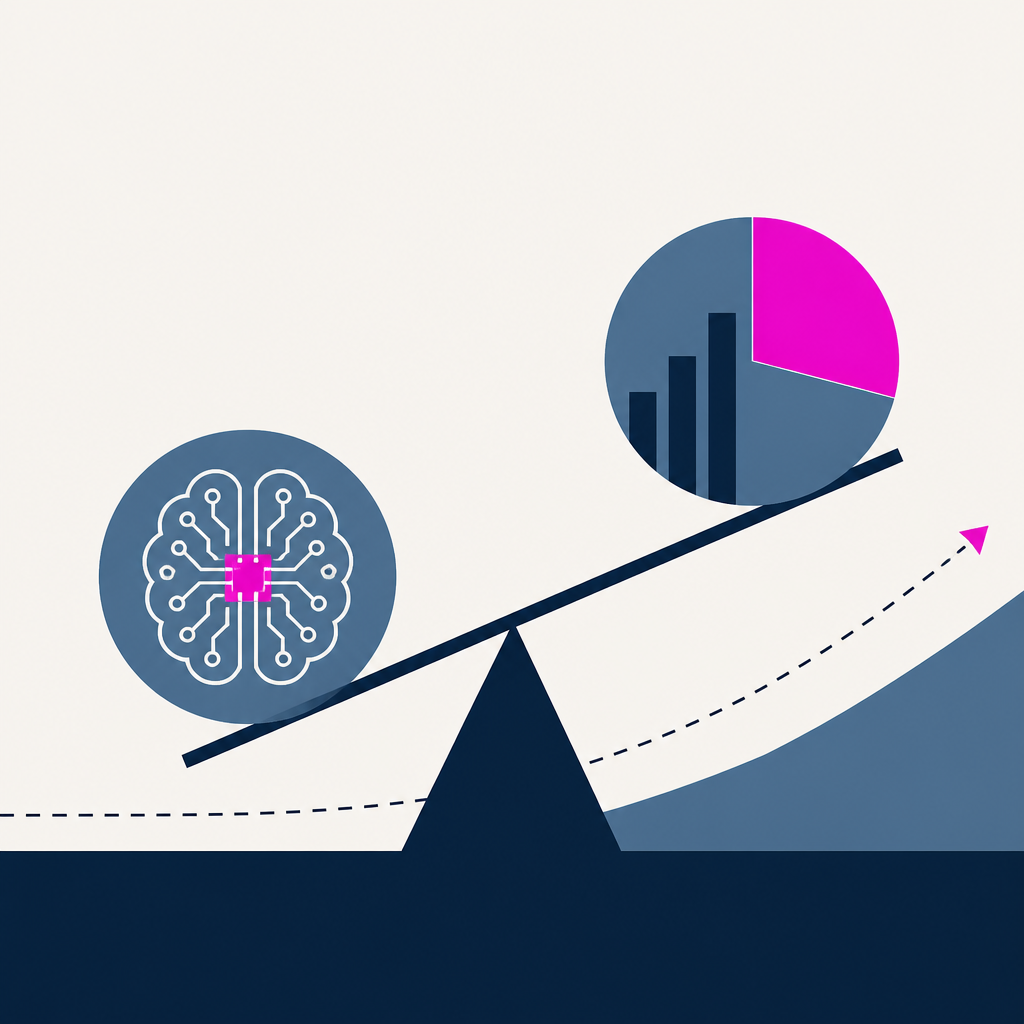
His worry isn't really about the technology. It's about the split forming around it. On one side are people who treat AI as gross, overhyped, a fad to be waited out. On the other are people who've folded it into everything they do, using it constantly to think, build, and ship. He compares this to the gap between someone who reads 50 books a year and someone who hasn't cracked one since high school. Those two people experience the world differently, notice different things, get offered different opportunities. Now, he argues, raise that gap to an exponent.
What makes him uneasy is watching this play out in real time among people he knows. It's not just engineers cranking out apps faster. It's non-technical people, in ordinary jobs, who are simply outproducing their peers because they've wired AI into their workflow. He admits it feels unfair, even a little gross, that the people already ahead tend to be the same ones leaning hardest into the tools. But that observation doesn't make it less true, and it doesn't make it go away.
So his advice is blunt: treat this as close to binary. Get yourself, and the people you care about, using these tools regularly, or risk falling behind in a way that compounds over years, not months. He's careful to say this isn't a call for blind faith — AI still has real ethical baggage and real risks from overuse. Nobody needs to worship it. But he frames it as something closer to free leverage: a smarter brain on demand, or a hundred sharp interns you can put to work whenever you want. Ignoring that upside doesn't make you cautious, in his view. It just makes you slower.
My take — AI-written commentary, not fact-checked reporting
I think he's onto something, though the binary framing is a little too tidy — plenty of people will land somewhere messy in the middle, dabbling without ever going all-in. Still, the productivity gap he's describing is real and I've seen it too: it's less about coding skill and more about who's simply willing to experiment. My worry isn't the AI-skeptics falling behind — it's that the tools rewarding constant use are also the ones controlled by a handful of companies, so 'get wired in' quietly means 'get dependent on whoever owns the model.'
Read more about this at: danielmiessler.com