Tesla plans to begin selling Cybercab to customers before the end of 2026
Trending Topics Georg Haas ● Covered by 2 sources
Tesla says it may sell the Cybercab to customers soon. That’s the car with no steering wheel, and regulators are already poking at it.
Based on reporting by Trending Topics, Georg Haas — read the original for the full story.
Summary, retelling and take written by AI under human oversight; images are AI-generated illustrations. How we work · Report an error
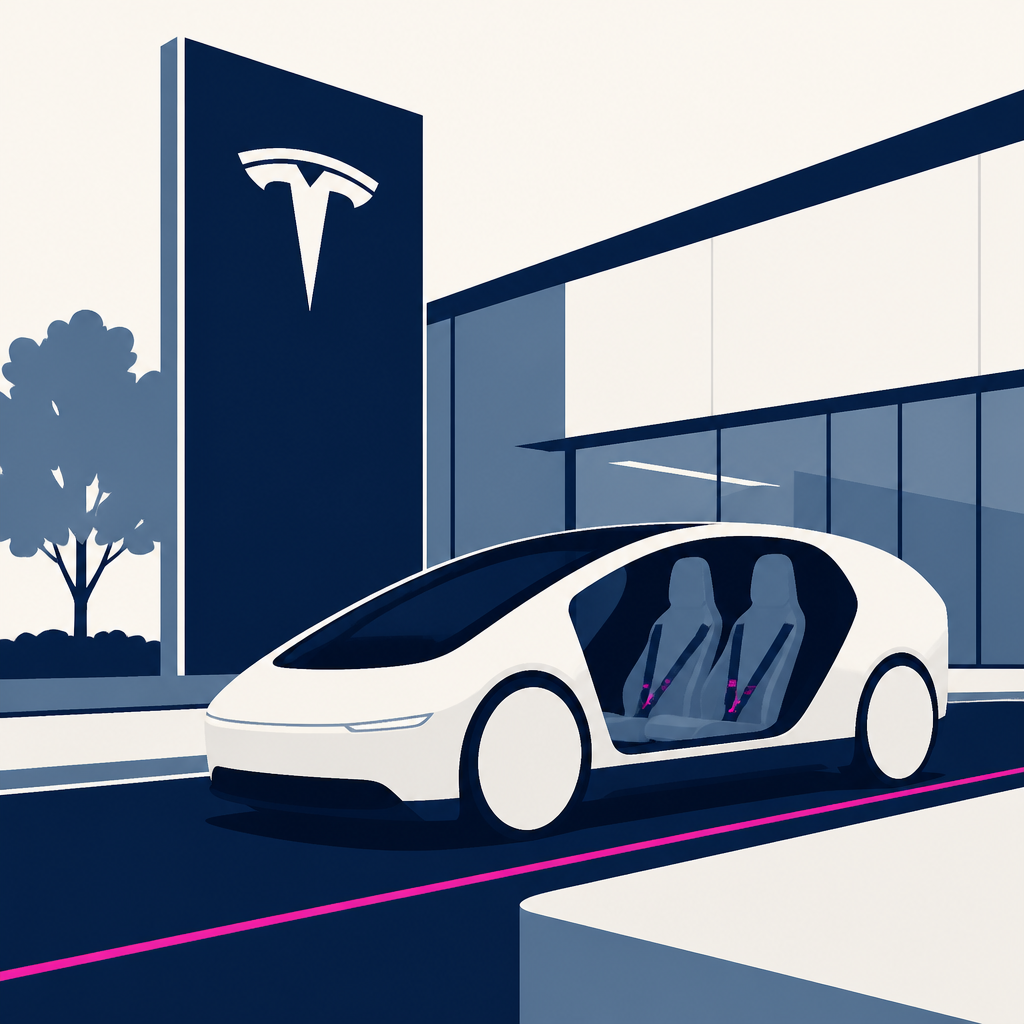
Tesla says it plans to start selling the Cybercab to customers before the end of the year, but for now the little two-seat vehicle is still a regulatory headache. The car is built to drive itself and has no steering wheel or other conventional controls, which is exactly why the safety questions are so awkward.
On the company’s third-quarter earnings call, Lars Moravy, Tesla’s vice president of engineering, said the Cybercabs now being built are meant only for Tesla’s own robotaxi fleet. As that fleet grows, Tesla expects to deliver “fully developed autonomous vehicles” to customers. Moravy said the rollout would start small and then widen.
That is a change from the way Tesla talked about the idea last month at its Cybercab event in Austin, where the company first floated selling the vehicle to third parties and even posted a form for people interested in buying robotaxis. At the time, it was still unclear whether Tesla would actually follow through, or how it would do it.
Elon Musk has spent years talking up a huge fleet of low-cost robotaxis, but until recently the plan centered on turning privately owned Teslas into self-driving taxis through software. That version still hasn’t happened. Right now, owners can subscribe to Full Self-Driving (Supervised), which handles a lot of the driving but still requires a human to stay alert and ready to take over.
Musk said on Wednesday that an unsupervised version of FSD is set to reach customers sometime in the second quarter of next year. That pushes Tesla owners further down the line, especially the ones who bought or subscribed years ago hoping the software would get there faster. For the Cybercab, Musk’s message was clearer: Tesla wants it mainly as a ride-hailing service, with most of the fleet owned by Tesla itself.
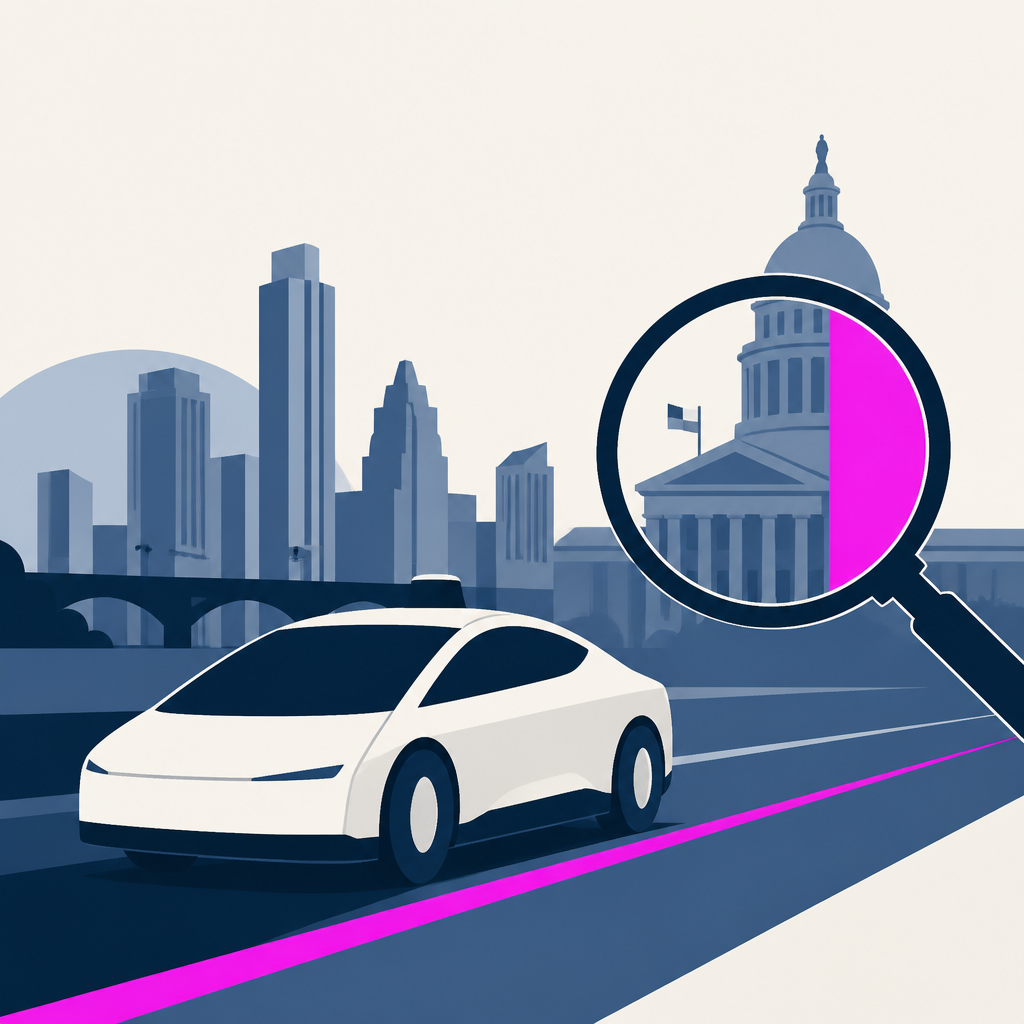
The catch is that regulators may not be ready to let that happen. The National Highway Traffic Safety Administration opened an investigation into the Cybercab last month, just hours after the vehicles began operating on public roads in Austin. Federal safety rules still require things like brake pedals and mirrors, and they do not currently exempt cars without manual controls. The Department of Transportation has proposed loosening those rules for autonomous vehicles, but for now Tesla is still trying to certify a car built around the very things the rules assume will be there.
My take — AI-written commentary, not fact-checked reporting
Tesla keeps selling the future before the paperwork has caught up, which is very on brand. The Cybercab feels less like a product launch than a stress test for U.S. safety rules, and regulators seem perfectly willing to make it painful. That’s probably healthy; cars without steering wheels shouldn’t be waved through on vibes and an Austin demo.
Read more about this at: Trending Topics