space ocr
Product Hunt Yongha Hwang
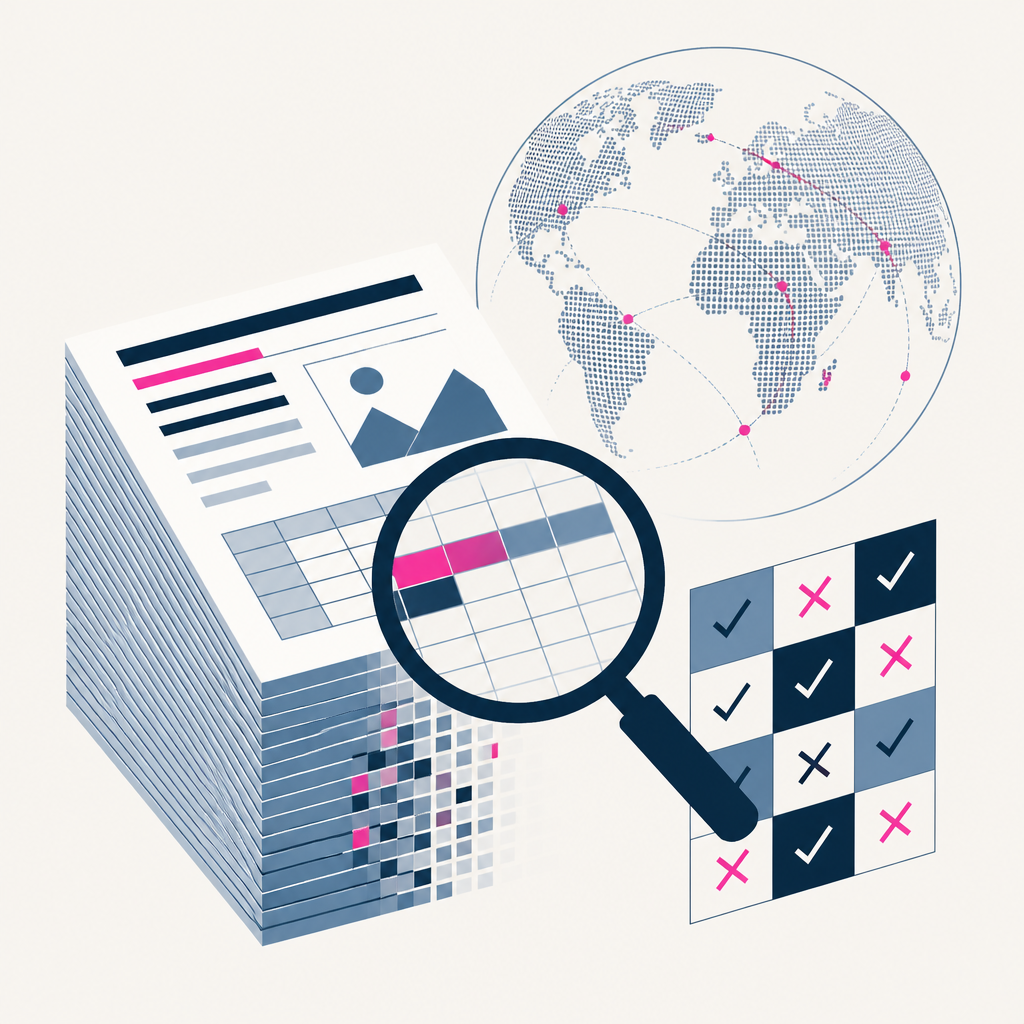
A new OCR tool called Space OCR just launched on Product Hunt. It doesn't just read text from images — it double-checks itself before handing you the answer.
Based on reporting by Product Hunt, Yongha Hwang — read the original for the full story.
Summary, retelling and take written by AI under human oversight; images are AI-generated illustrations. How we work · Report an error
Optical character recognition has been a solved problem for decades, or so we've been told. Anyone who has tried to pull clean text out of a blurry receipt or a badly scanned PDF knows better. Space OCR, a new launch on Product Hunt, is pitching itself as a fix for that specific headache: OCR that verifies its own output before calling the job done.
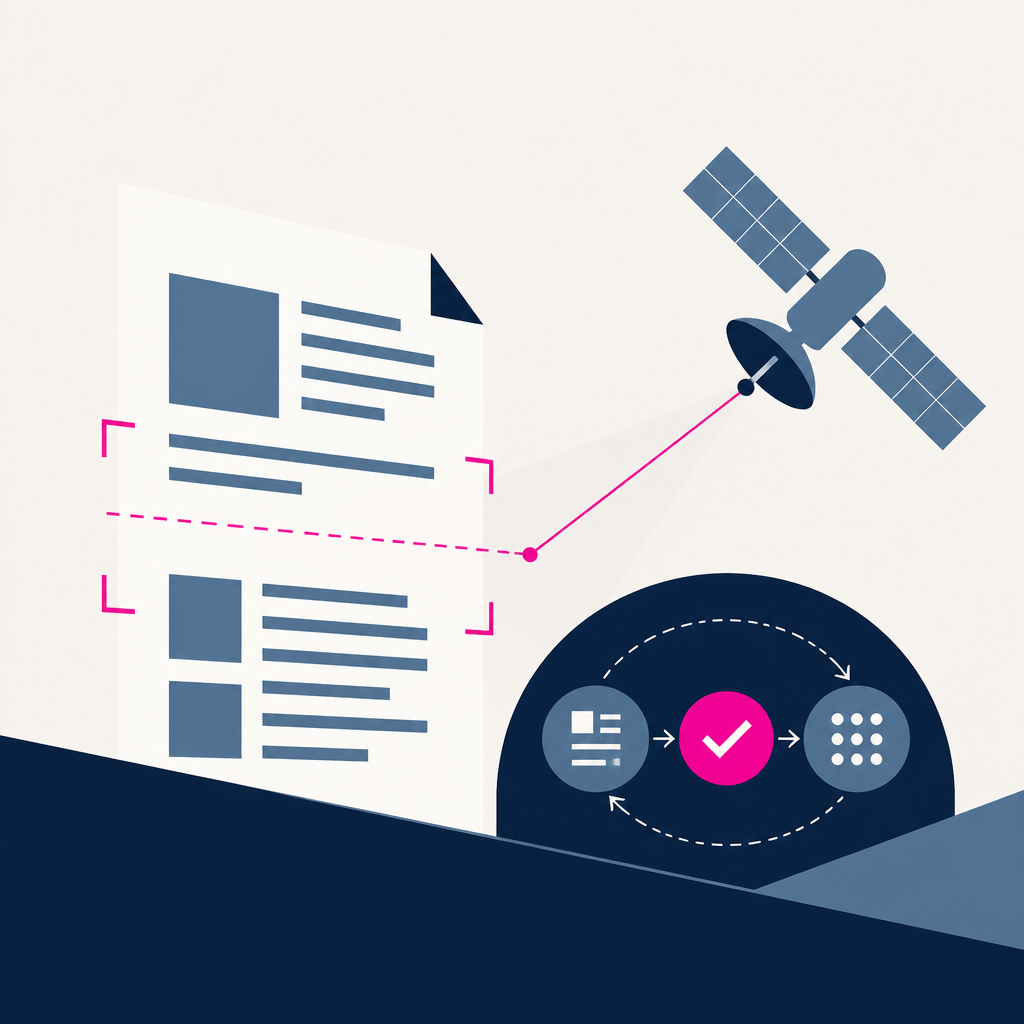
The pitch is simple on its face. Most OCR tools spit out a best guess and move on, leaving humans to catch the garbled characters and misread digits. Space OCR adds a self-checking step, essentially asking the model to review its own extraction before it's returned to the user. That's a small architectural tweak, but it targets the exact failure mode that makes OCR frustrating in production — silent errors that look plausible until someone notices a wrong invoice total or a mangled serial number.
It ships in two flavors: a standalone app for people who just want to drag in a document and get text back, and an API for developers who want to bolt OCR into a larger pipeline. That dual approach is the standard playbook for tools like this right now — grab the casual users through a slick interface while still courting the builders who'll actually drive volume and revenue.
What's missing from the launch details is any hard number on accuracy gains. Self-verification sounds good, but the real test is whether it meaningfully cuts error rates on messy real-world documents — handwriting, low-resolution scans, non-Latin scripts — versus just adding latency and cost for marginal improvement. Until independent benchmarks show up, this is a promising idea that still needs to prove itself against the pile of OCR tools that came before it.
My take — AI-written commentary, not fact-checked reporting
Self-checking OCR sounds nice, but the AI industry has a habit of slapping 'verification' onto features without showing the before-and-after numbers, and buyers should demand those benchmarks before paying for the premium tier. If it actually cuts hallucinated text extraction in half, great — but until someone publishes real accuracy comparisons against Tesseract or Google Vision, treat the claim as marketing, not proof.
Read more about this at: Product Hunt