South Summit 2026: Three trends shaping the future of European tech
Sifted
South Summit says AI hype is over; now it’s about what gets built. The surprise: founders can ship prototypes in hours, and investors are shifting with them.
Based on reporting by Sifted — read the original for the full story.
Summary, retelling and take written by AI under human oversight; images are AI-generated illustrations. How we work · Report an error
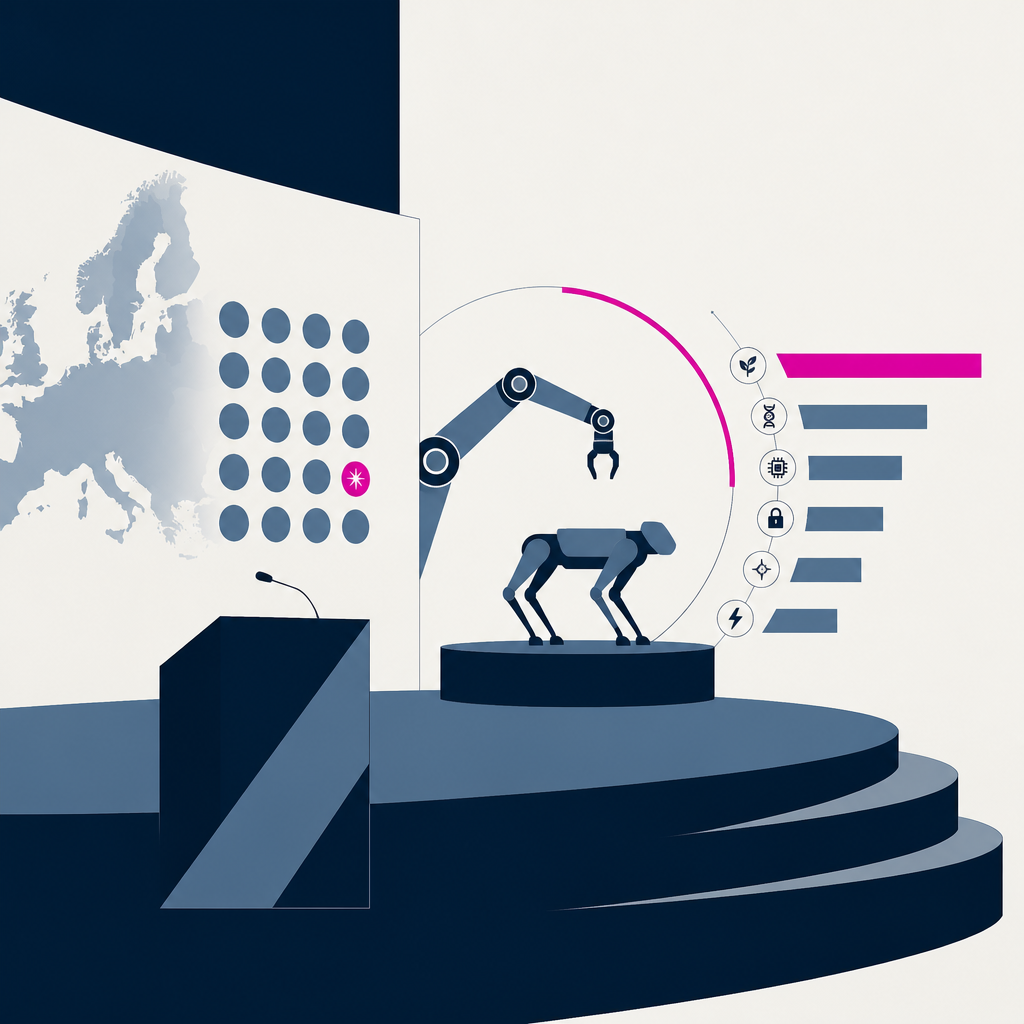
At South Summit in Madrid, the mood was clear: the industry has moved past treating AI like a shiny extra. The 2026 theme, “AI Convergence,” framed it as something that now sits inside how companies are built, not beside them. Founders, investors and operators from across Europe gathered there, alongside people from IE University, Google X, ElevenLabs and Airbus SE.
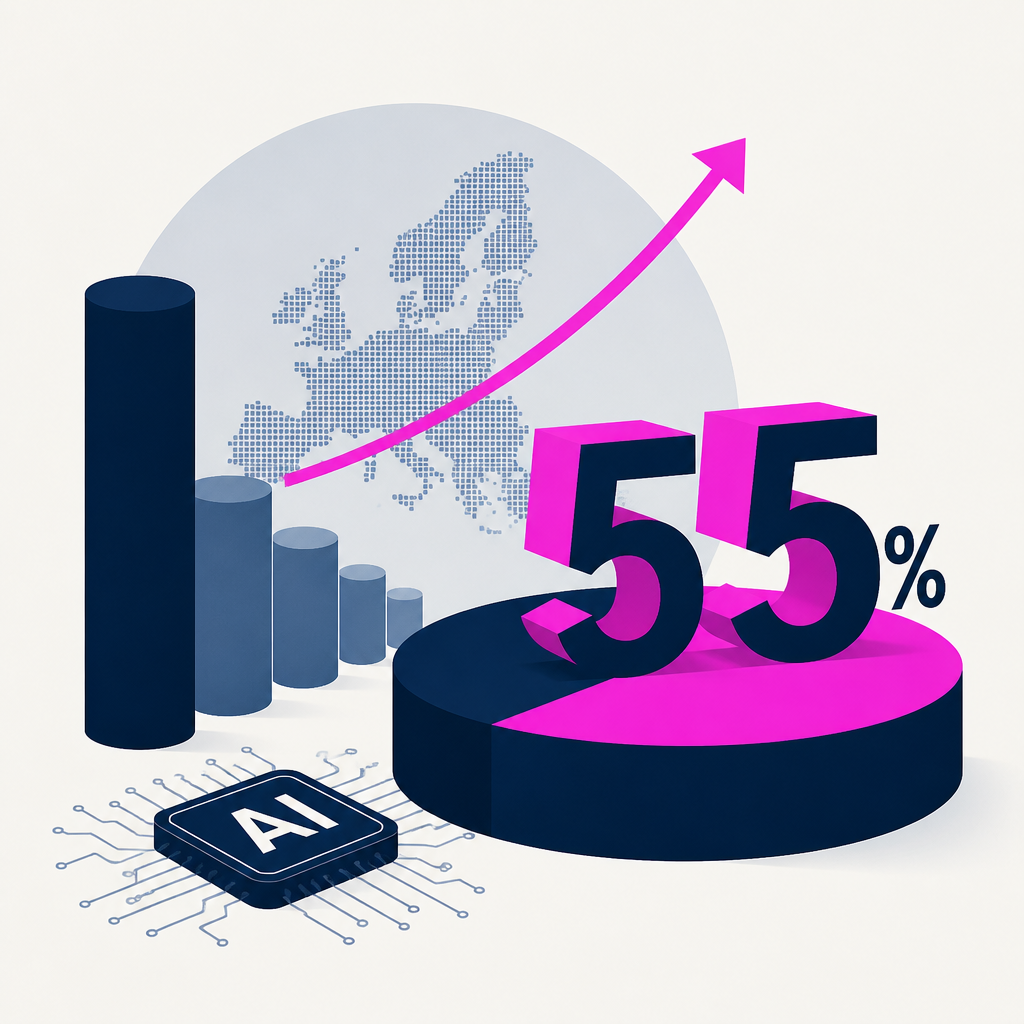
The clearest sign of the shift is how much cheaper and faster building has become. OECD data cited at the event shows 61% of global venture capital went into AI-related projects in 2025, up from 30% in 2022. South Summit also ran an AI venture buildathon with IE University and Lovable, where participants built a working prototype on a laptop in under four hours. That’s the kind of speed that changes the whole startup funnel. If you can get to something real that fast, the old logic of spending months and raising big early rounds starts to look slow.
Juan José Guemes, who chairs the Centre for Entrepreneurship & Innovation at IE University, put it bluntly: AI is becoming like electricity. The edge isn’t the tool itself. It’s what gets built with it, and around it. He argued that defensible companies need proprietary data, domain expertise and a way to slot into existing workflows. But he kept coming back to the same scarce ingredient: human judgement. When anyone can make a tool, deciding what to make and who it’s for becomes the hard part.
Defence and dual-use technology were another big thread. Leaders from the Spanish Ministry of Defence and NATO DIANA spoke about European sovereignty, and Mateo said founders now have to work through several regulatory frameworks while raising money and hiring. He sees that complexity as a competitive advantage, not just a headache. Guemes pushed the same idea further, saying Europe should focus on problems it can actually solve well: cybersecurity, applied AI, space technology, satellites.
The money conversation followed the same logic. With AI lowering execution costs, founders need less capital to get moving, so investors are being nudged toward growth-stage rounds, once startups have shown a sustainable business model. Mateo and Guemes are basically making the same case from two angles: AI has removed the excuse not to start, and now the real shortage is judgment about what deserves to be built.
My take — AI-written commentary, not fact-checked reporting
This is the useful kind of AI talk: less worship, more plumbing. The market is finally admitting that cheap code is not a business model, which should have been obvious before the hype festival opened its first catering tent. Europe’s edge won’t come from copying Silicon Valley louder; it’ll come from turning regulatory pain into product discipline.
Read more about this at: Sifted