
Patch the Planet: a Daybreak initiative to support open source maintainers
OpenAI ● Covered by 3 sources
OpenAI launched Patch the Planet, part of its Daybreak program, to help open-source maintainers hunt down and fix security bugs. It matters because most critical software runs on unpaid volunteers who rarely have time to chase vulnerabilities.
Based on reporting by OpenAI — read the original for the full story.
Summary, retelling and take written by AI under human oversight; images are AI-generated illustrations. How we work · Report an error
OpenAI has a new side project, and it's aimed squarely at one of tech's quietest crises: the state of open-source security maintenance. Called Patch the Planet, the effort sits under OpenAI's broader Daybreak umbrella and pairs the company's AI models with human security experts to help maintainers find, verify, and actually fix vulnerabilities in the code the rest of the internet depends on.
The pitch is simple even if the problem isn't. Open-source maintainers are often one or two people keeping a library alive in their spare time, while thousands of companies quietly build products on top of it. When a flaw turns up, someone has to triage it, confirm it's real, write a fix, and ship a patch, all without breaking downstream software that nobody involved has ever seen. Patch the Planet is designed to take some of that grunt work off maintainers' plates by using AI to scan for issues and draft fixes, with actual security reviewers checking the results before anything goes out the door.
What's notable here is the framing. OpenAI isn't positioning this as a flashy AI-writes-all-the-code moment. It's closer to infrastructure triage: AI doing the tedious first pass, humans doing the judgment call. That combination matters because AI-generated vulnerability reports have already earned a bad reputation in some corners of the security world, where maintainers have complained about low-quality, auto-generated bug submissions flooding their inboxes. Baking in expert validation is a direct answer to that skepticism.
There's also a strategic angle worth noting. Companies like OpenAI increasingly rely on the same open-source stack everyone else does, from build tools to cryptographic libraries, so shoring up that foundation isn't pure altruism. It's closer to maintaining the roads your own trucks drive on. Still, if Patch the Planet actually reduces the backlog of unfixed vulnerabilities sitting in widely used projects, the benefit spreads well beyond OpenAI's own systems.
My take — AI-written commentary, not fact-checked reporting
I'll believe this helps once maintainers themselves say it does, not when a company blog post says it. The open-source security backlog is real and mostly invisible, and if AI-assisted triage plus actual human review speeds up fixes without dumping more noisy, low-quality reports on volunteers, that's a genuine public good. But let's not pretend this is charity: every big AI lab depends on the same open-source plumbing, so patching it is also just basic self-interest dressed up as generosity.
Read more about this at: OpenAI
Related stories
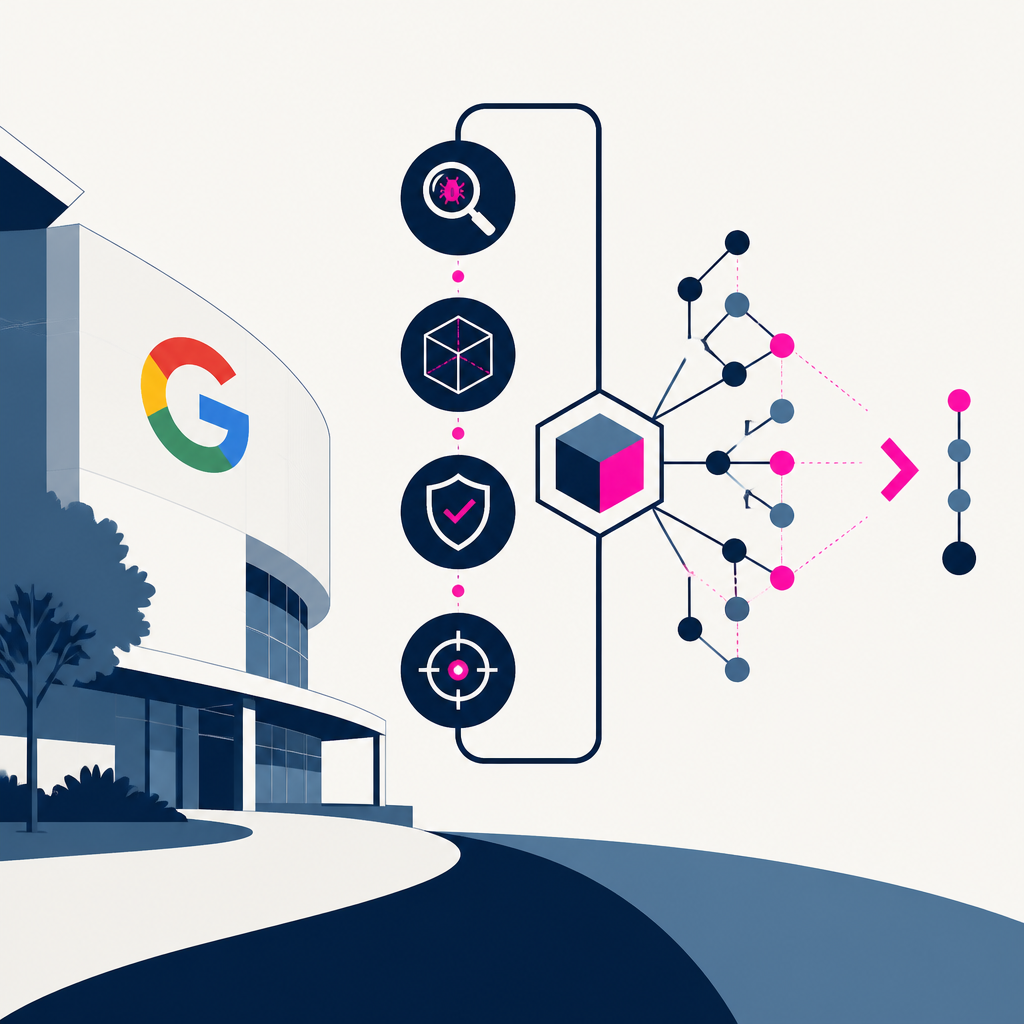 Google Open-Sources Mantis: A Modular Skills Toolkit That Lets Coding Agents Find, Reproduce and Patch Vulnerabilities
MarkTechPost · 1 week ago ·
51
Google Open-Sources Mantis: A Modular Skills Toolkit That Lets Coding Agents Find, Reproduce and Patch Vulnerabilities
MarkTechPost · 1 week ago ·
51