
Nvidia’s China Partners and the PLA
CSET Georgetown Jason Ly
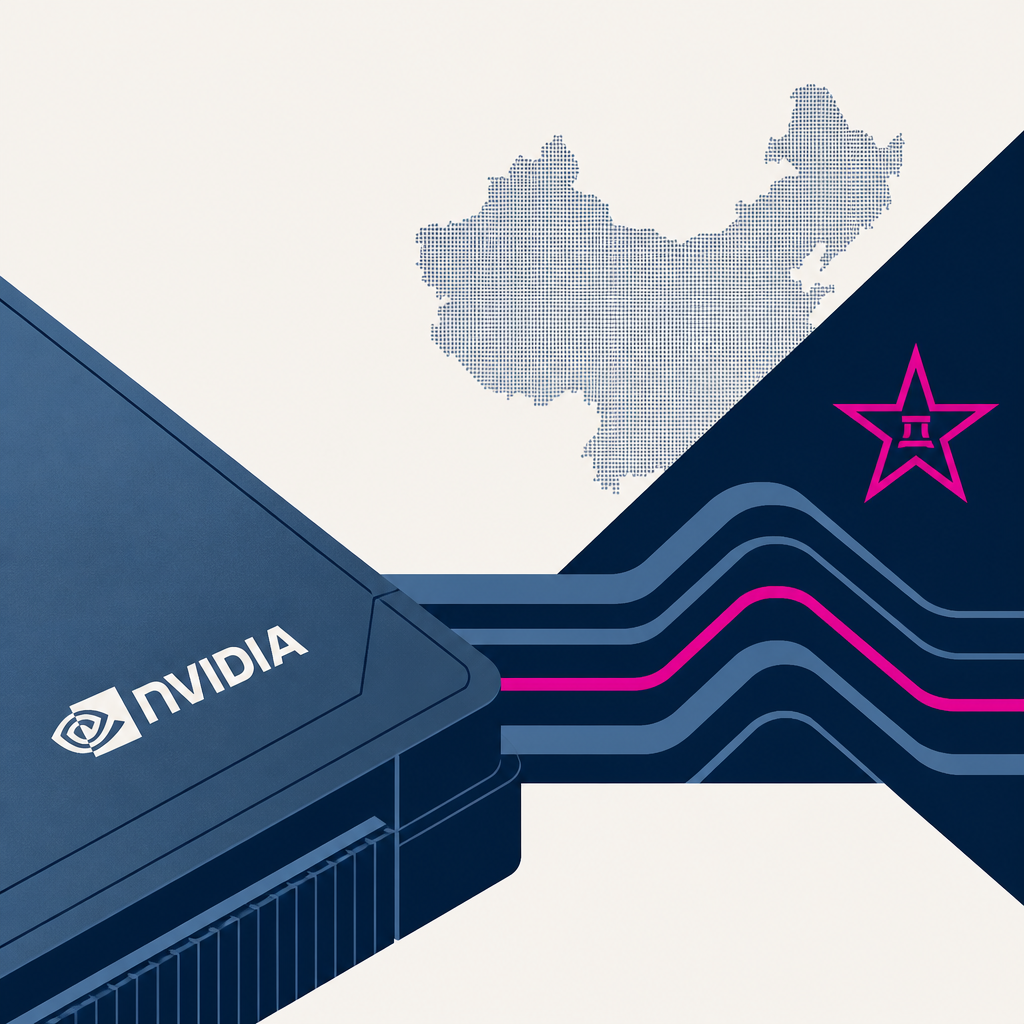
Nvidia's Chinese partner network has reportedly funneled AI chips to groups tied to China's military, per new reporting citing CSET's Sam Bresnick. Export controls on advanced AI hardware are leakier than Washington would like.
Based on reporting by CSET Georgetown, Jason Ly — read the original for the full story.
Summary, retelling and take written by AI under human oversight; images are AI-generated illustrations. How we work · Report an error
Nvidia doesn't sell directly to the Chinese military. It doesn't have to. According to research shared by CSET's Sam Bresnick in The Wire China, a web of resellers, cloud providers, and systems integrators in China has moved Nvidia's AI chips into the hands of organizations tied to the People's Liberation Army and other entities the U.S. has explicitly restricted.
This isn't really a story about Nvidia breaking rules. It's a story about how porous those rules are once hardware crosses into a market with thousands of intermediaries, shell-like distributors, and cloud resale arrangements that make end-use nearly impossible to police from Santa Clara. A chip sold legally to a data center operator in Shenzhen can quietly end up powering a defense research lab three transactions later, and nobody along that chain necessarily has to lie outright to make it happen.
Bresnick's point, stated plainly, is that current U.S. export controls leave real gaps. Washington has spent years tightening restrictions on advanced GPUs bound for China, adjusting thresholds, closing loopholes on chip performance, and pressuring allies to fall in line. Yet the enforcement problem has always been less about the rules on paper and more about tracking hardware after it leaves a warehouse. China's commercial AI ecosystem is large, fast-moving, and deeply intertwined with state and military-linked institutions in ways that don't map cleanly onto a compliance checklist.
And that's the uncomfortable part for policymakers. Tightening chip export rules further sounds decisive, but it does little if the actual leakage happens through obscure resale networks rather than direct Nvidia-to-military sales. The fix, if there is one, probably involves far more aggressive tracking of downstream buyers and partners, not just another round of restrictions on the chips themselves.
My take — AI-written commentary, not fact-checked reporting
I've said it before: chip export controls without serious downstream enforcement are theater. Washington keeps tightening the front door while the side entrances stay wide open, and pretending otherwise just delays the reckoning. If the U.S. actually wants controls that work, it needs to fund the boring, unglamorous work of tracking resellers, not just announce another headline ban.
Read more about this at: CSET Georgetown
Related stories
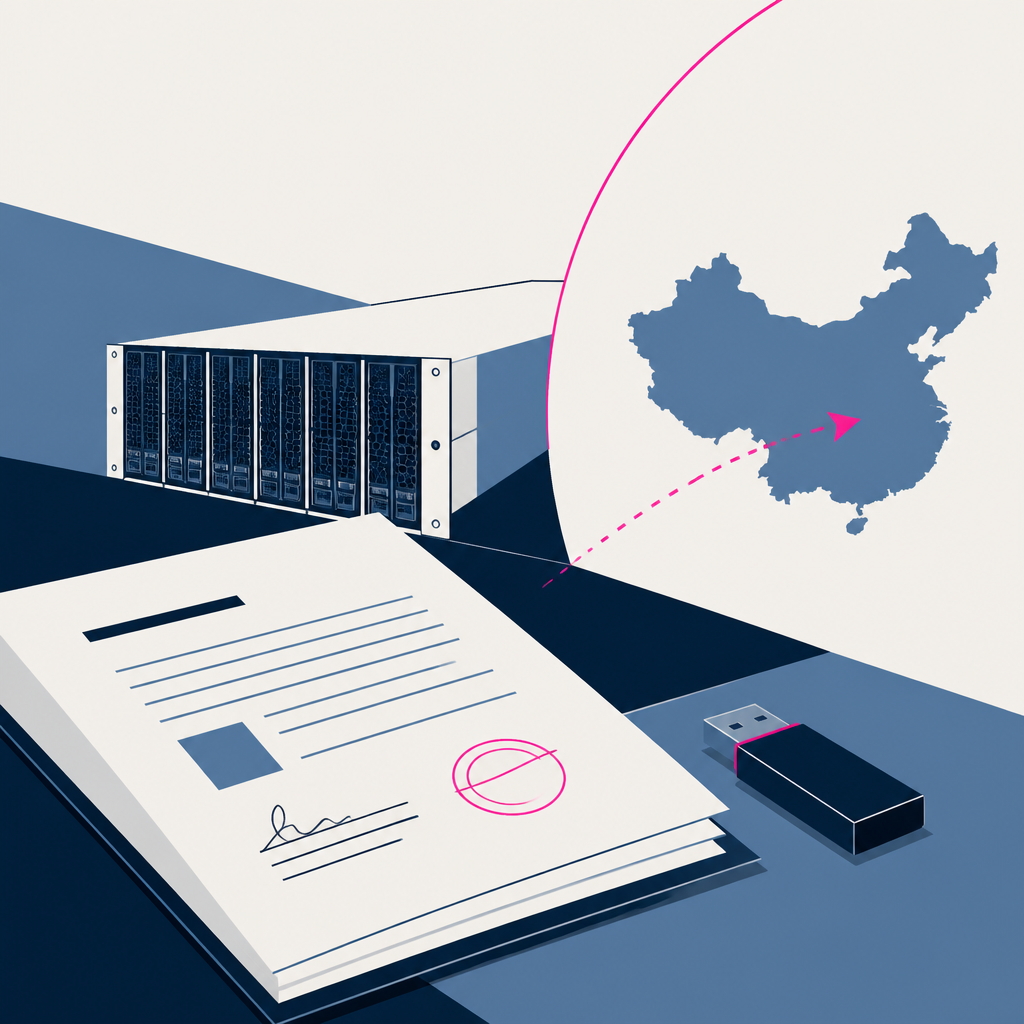 Nvidia senior manager linked to Supermicro scheme smuggling AI servers to China
Ars Technica · 3 weeks ago ·
30
Report claims China is distilling U.S. frontier models to power military AI applications
SiliconANGLE · 1 month ago ·
44
The 20 Most Interesting Ideas We've Found in 2026
ChinaTalk · 2 months ago ·
47
Nvidia senior manager linked to Supermicro scheme smuggling AI servers to China
Ars Technica · 3 weeks ago ·
30
Report claims China is distilling U.S. frontier models to power military AI applications
SiliconANGLE · 1 month ago ·
44
The 20 Most Interesting Ideas We've Found in 2026
ChinaTalk · 2 months ago ·
47