MVICAD2: Multi-View Independent Component Analysis with Delays and Dilations
Apple Machine Learning Research
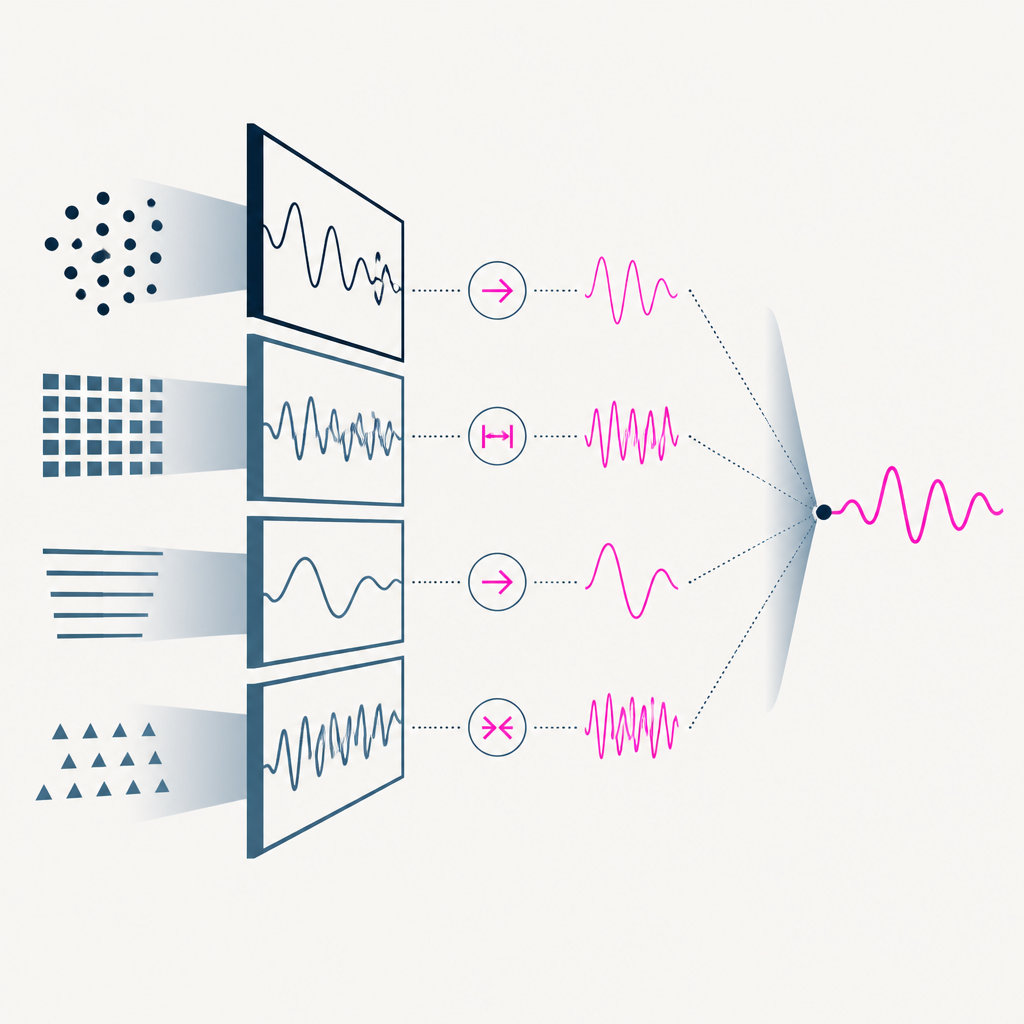
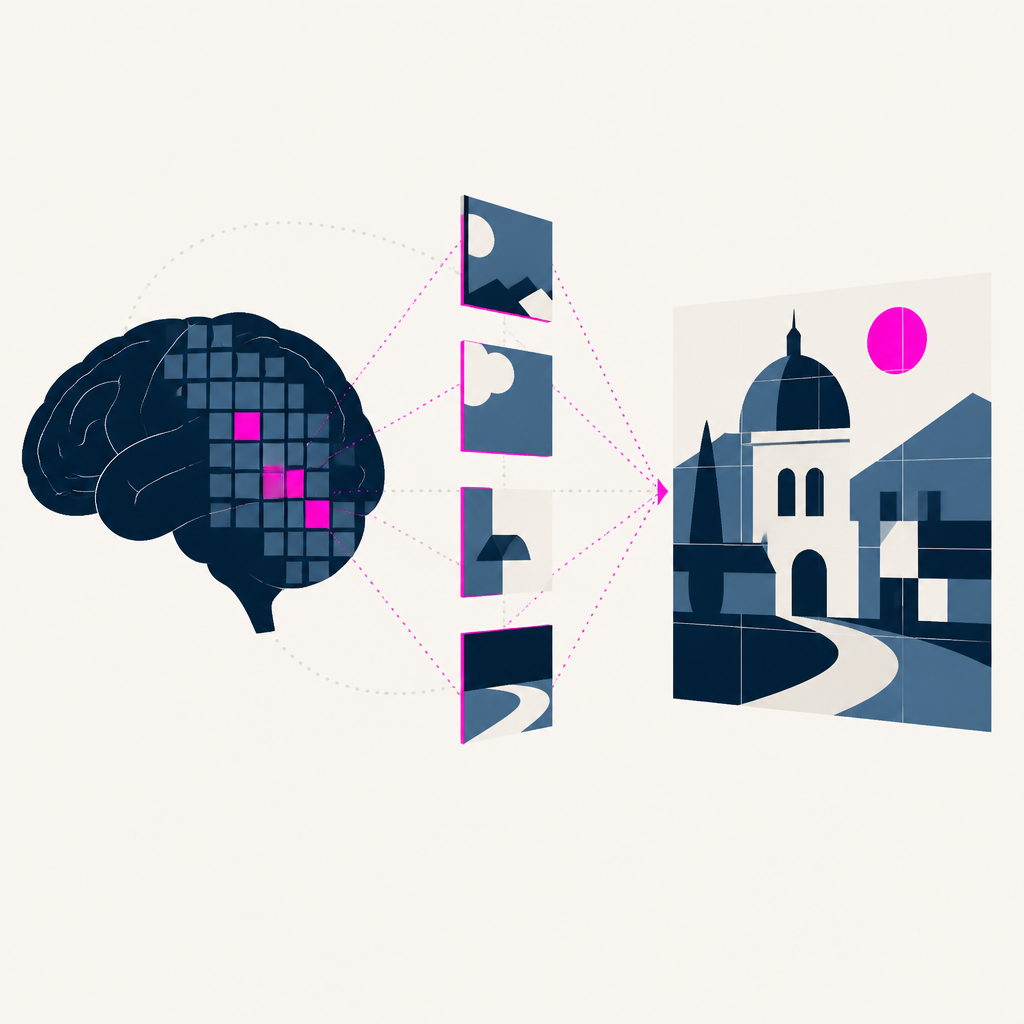
Researchers developed MVICAD2, a machine learning method for analyzing multi-view data that addresses challenges in integrating heterogeneous data across different views or subjects. The method applies independent component analysis with time delays and dilations to better align feature spaces across views, tested on magnetoencephalography brain imaging data where sources should be consistent across subjects. This enables more accurate source estimation in neuroscience studies by accounting for temporal shifts and scaling differences between subjects' measurements.
Why it matters
Machine learning techniques in multi-view settings face significant challenges, particularly when integrating heterogeneous data, aligning feature spaces, and managing view-specific biases. These issues are prominent in neuroscience, where data from multiple subjects exposed to the same stimuli are analyzed to uncover brain activity dynamics. In magnetoencephalography (MEG), where signals are captured at the scalp level, estimating the brain’s underlying sources is crucial, especially in group studies where sources are assumed to be similar for all subjects. Common methods, such as Multi-View…