Jaipur Robotics raises €4.3M to bring computer vision to waste plants
Tech.eu Tamara Djurickovic
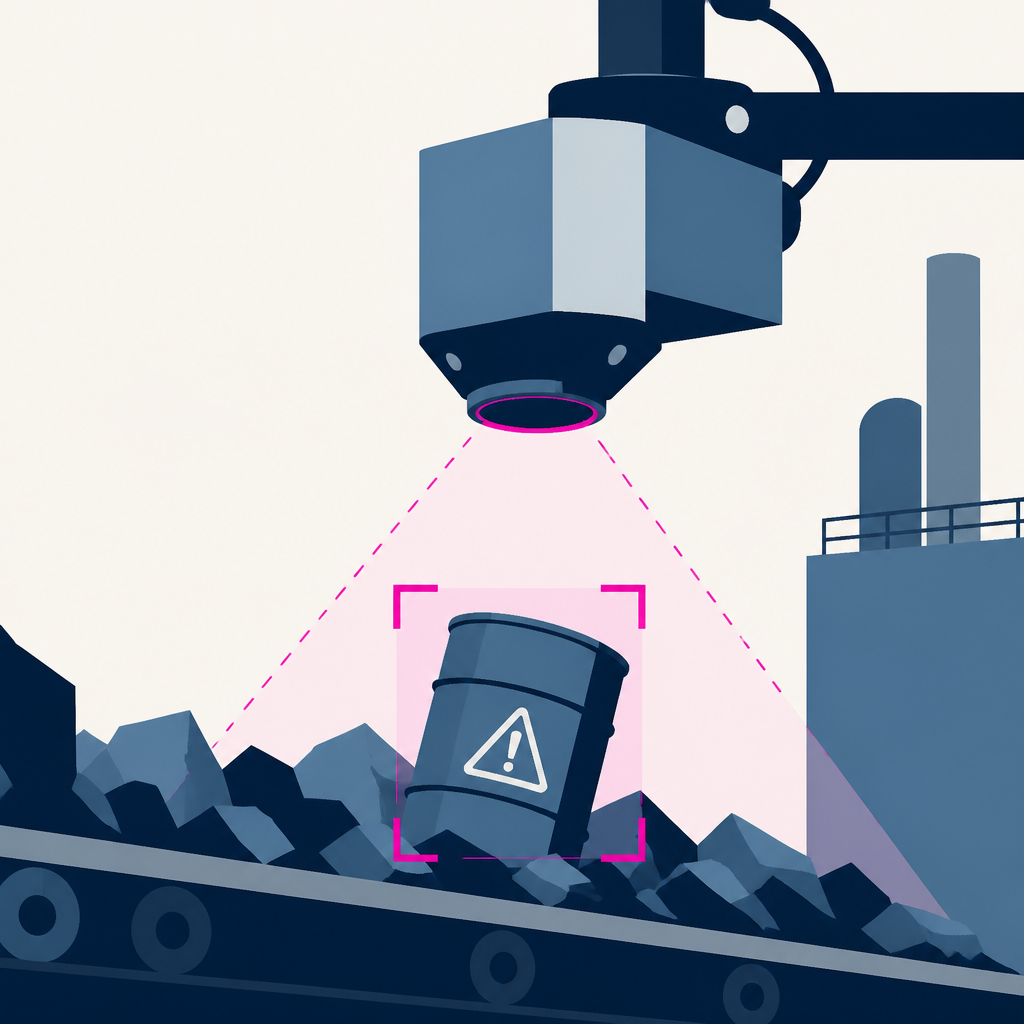
Jaipur Robotics just raised €4.3M to add computer vision to waste plants. Its software watches trash move through the facility, and says it can cut shutdowns and spot hazards.
Based on reporting by Tech.eu, Tamara Djurickovic — read the original for the full story.
Summary, retelling and take written by AI under human oversight; images are AI-generated illustrations. How we work · Report an error
Swiss industrial AI startup Jaipur Robotics has picked up €4.3 million in seed funding to push its computer vision tools deeper into waste-to-energy and other industrial plants. EquityPitcher Ventures and High-Tech Gründerfonds led the round.
The company is based in Manno, near Lugano, and was founded in 2024. Its pitch is straightforward enough: use cameras and AI to help operators see more, react faster and run messy industrial sites with less manual work. Waste-to-energy is the first target, but cement and biomass plants are also in scope.
That focus makes sense. Waste-to-energy operators deal with a constant churn of mixed material, safety risks, downtime and the need to keep combustion steady. Jaipur Robotics says many of the more than 3,100 waste-to-energy plants around the world still lean on manual monitoring and analogue processes. That is a lot of expensive machinery being run with surprisingly old habits.
The platform analyses waste as it enters and moves through a facility, then turns the visual data into signals that can help identify hazardous material, improve mixing and guide automated crane operations. Jaipur Robotics says its system has been trained on more than 50 million labelled images from European waste-to-energy sites and processes more than five million tonnes of waste each year. It also claims 99 per cent accuracy on hazardous material detection, and says deployments at individual plants have cut unplanned shutdowns by more than 80 per cent.
The fresh money is meant to help the company expand into more markets and keep building out the tech. And the larger bet here is obvious: if computer vision can tame one of the dirtiest, most variable industrial settings, it has a decent shot at other plants too.
My take — AI-written commentary, not fact-checked reporting
This is the right kind of industrial AI story: narrow, ugly and measurable, not a grand vision deck with a logo. Waste plants do not need poetry; they need fewer shutdowns and fewer surprises. The open question is not whether AI can be impressive, but whether it can survive contact with real machinery and real operators without becoming another expensive dashboard.
Read more about this at: Tech.eu