
Italian obesity digital clinic Holifya raises €2M to scale AI-supported GLP-1 care
Tech.eu Cate Lawrence
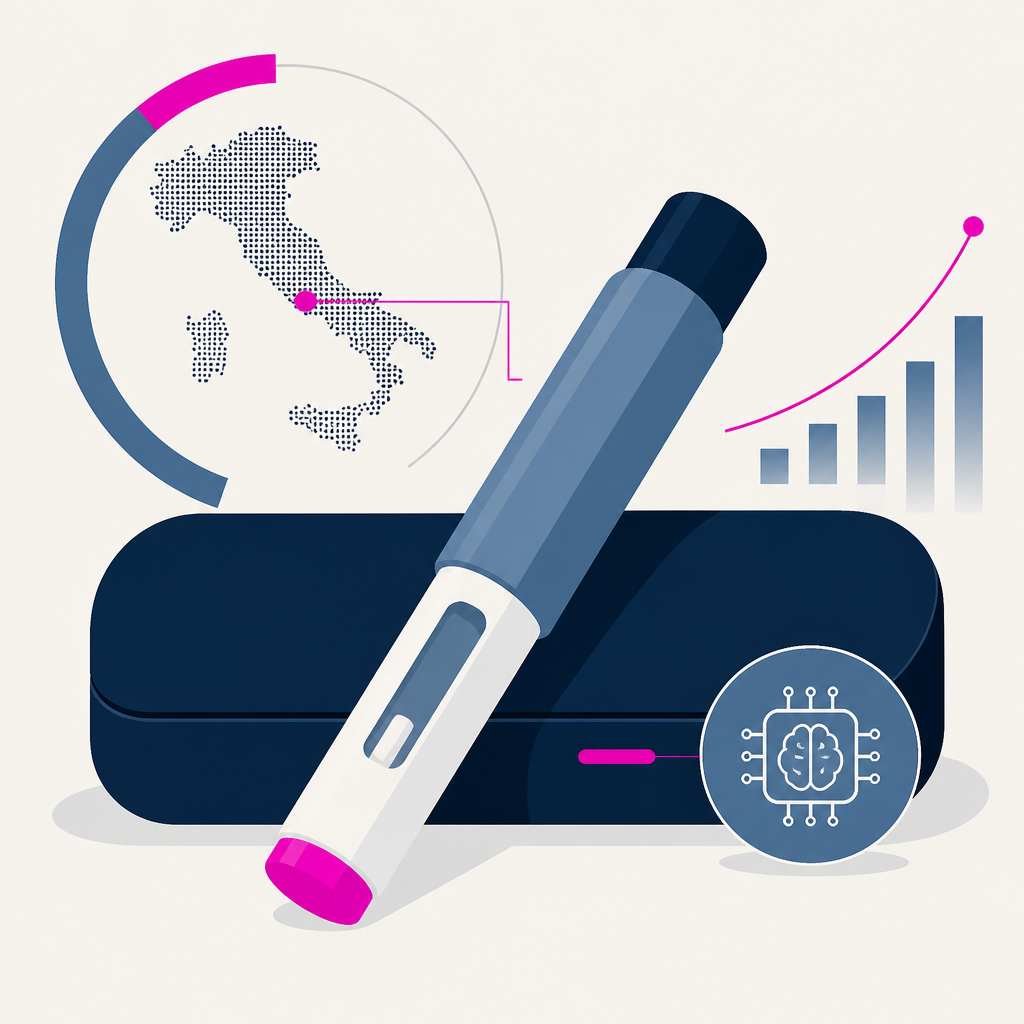
Italy’s Holifya raised €2M to expand AI-led obesity care around GLP-1 drugs. It’s betting on faster screening and tighter follow-up in a market where most eligible patients still aren’t treated.
Based on reporting by Tech.eu, Cate Lawrence — read the original for the full story.
Summary, retelling and take written by AI under human oversight; images are AI-generated illustrations. How we work · Report an error
Holifya has raised €2 million to push its digital obesity clinic further into Italy’s GLP-1 boom. The round mixes €1.6 million in equity with €0.4 million in debt and grants, and it brings in Next Age, CDP Venture Capital’s Silver Economy program, Growth Engine, Doorway, 20Fund, Zooga VC, and a slate of business angels including Micol Fornaroli, Pier Francesco Rimbotti, Tommaso Gamaleri, Duccio Vitali, and Matteo Mainetti.
The company, founded in 2023, wants to do something that sounds simple and is not: make pharmacologic obesity treatment feel like a managed clinical pathway instead of a prescription and a shrug. Its system is built around a Patient Support Program model that pulls in up to 3,000 biomarkers per patient, from genetic and blood chemistry data to anamnestic details, then combines that with behavioural and clinical information gathered across the care journey.
That matters because Italy has a lot of people who could use these drugs and very few who are actually on them. The source puts the number of overweight or obese adults at more than 23 million, with about 11 million eligible for GLP-1 therapy, yet fewer than 1 per cent are currently treated. By comparison, adoption is said to be 2 per cent in Germany and above 4 per cent in the UK. The bottleneck is not just access; it is persistence. About 30 per cent of patients stop within the first month, and more than half quit within 12 months.
Holifya says its answer is personalised follow-up backed by specialists: physicians, nutritionists, nurses and coaches, with AI flagging dropout risk and possible adverse effects to the doctor, suggesting dosage changes only to the physician, and automating follow-up with escalation where needed. It says screening can happen within 48 hours, while the average wait in the Italian National Health Service is much longer. The company says it has treated more than 3,000 patients, with results it claims are stronger than drug-only care, and it plans to use the new capital to grow its tech and data team, build out distribution partnerships, and expand its clinical staff toward more than 60 people by the end of 2026.
My take — AI-written commentary, not fact-checked reporting
This is the kind of AI story that actually deserves the word clinical. The real product isn’t a model; it’s discipline, follow-up and fewer excuses for patients to disappear after week one. Europe keeps talking about access, but the missing piece is usually boring operational care — which is exactly where the money should go.
Read more about this at: Tech.eu