
It turns out that Gen Z didn't quit on careers. The work force quit on them
Fortune Nick Lichtenberg
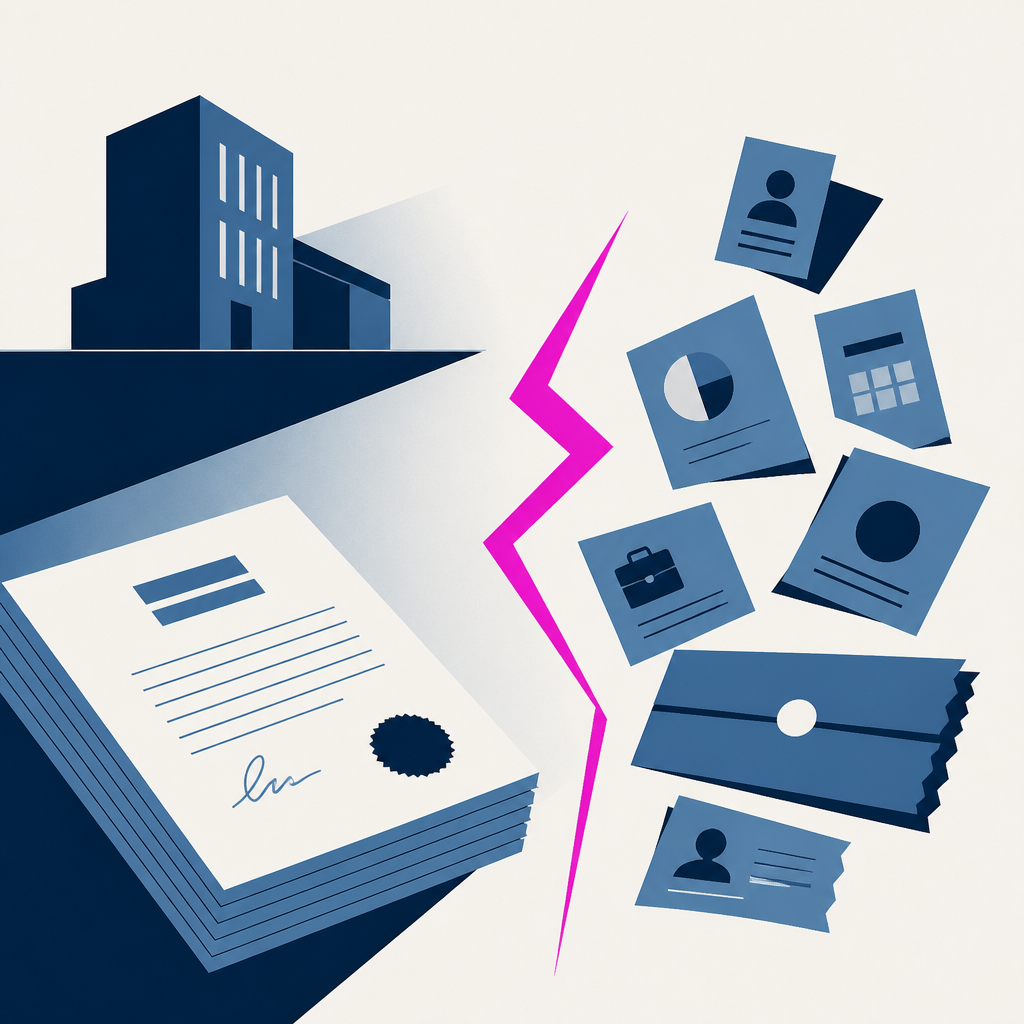
Gen Z isn’t quitting careers. A MIT economist says employers made work more disposable, and 35% of U.S. workers are now in it.
Based on reporting by Fortune, Nick Lichtenberg — read the original for the full story.
Summary, retelling and take written by AI under human oversight; images are AI-generated illustrations. How we work · Report an error
For years, the story about young workers was easy to tell: Gen Z supposedly wanted freedom over careers, side hustles over stability, and a life far from the 9-to-5 grind. Paul Osterman, a professor emeritus at MIT Sloan, says the data points the other way. The problem isn’t that young people lost interest in work. It’s that work changed under them.
In his new book, Disposable Workers: The Transformation of Employment, Osterman says 35% of the U.S. workforce — more than 55 million people — now sits in what he calls “disposable” work. That bucket includes freelancers, contractors, gig workers, and a group he labels “marginal workers”: W-2 employees who are inside a company but treated as temporary by design. They’re hired with the assumption that they won’t stay long or move up. Gig work, he says, is only about 2% of the workforce.
The bigger story is the spread of contracting and marginal employment across places that once promised something sturdier. Adjunct faculty. Staff attorneys on single cases. Retail and service jobs with high churn. Even long-term contract workers inside big tech who never get a real path to full-time status. Osterman’s point is blunt: employers have normalized turnover, and a lot of workers are paying for that flexibility with lower pay and weaker job satisfaction.
He also takes aim at the fashionable claim that Gen Z is choosing “career minimalism.” His research, based on a survey of more than 6,000 U.S. adults aged 24 and up plus nearly 100 interviews, found no broad retreat from ambition. The main shift among younger workers was around work-family concerns. The desire for a real job and a career, he said, is stable. Glassdoor economist Daniel Zhao backed that up, saying workers feel stuck, hiring is sluggish, and burnout mentions in Glassdoor reviews were up 43% in May from a year earlier.
Osterman traces the shift back decades, to the unraveling of the postwar employment bargain and the move toward financialized, flexible management. AI is only the latest excuse. He says the trend began before it, and uncertainty around AI just gives employers another reason to lean on disposable labor. That sounds less like a new economy than an old habit with better software.
My take — AI-written commentary, not fact-checked reporting
The neat “Gen Z hates work” story was always lazy. Companies spent decades turning jobs into temporary arrangements and now act shocked when young people don’t worship the ladder. Funny how ambition keeps surviving even when employers keep trimming the rungs.
Read more about this at: Fortune
Related stories
 Gen Z founders are hiring while Boomers' corporate America freezes out—‘I’ve already proven to myself that I can thrive in this’
Fortune ·
30
Gen Z founders are hiring while Boomers' corporate America freezes out—‘I’ve already proven to myself that I can thrive in this’
Fortune ·
30
 Forget work-life balance: Gen Z say their top priority is actually career growth, with 93% aspiring for the C-suite
Fortune ·
21
Forget work-life balance: Gen Z say their top priority is actually career growth, with 93% aspiring for the C-suite
Fortune ·
21
 Just a few years into working, Gen Z is already the most anxious generation about AI derailing their retirement—51% fear it will cut their nest egg
Fortune ·
8
Just a few years into working, Gen Z is already the most anxious generation about AI derailing their retirement—51% fear it will cut their nest egg
Fortune ·
8